What Is the Best Type of Jacket for Rainy Weather?

Time:2026-11-26 Author:Madeline
0%

Rain changes more than the view outside; it affects how warm, dry, and comfortable you feel. If you are asking “what type of jacket is best for rainy weather,” a waterproof, breathable shell is a reliable starting point for many people. It can help block steady rain while allowing some heat and moisture to escape during a walk or commute. But no single jacket suits every climate, activity, or budget.

Small details matter. Look for sealed seams, an adjustable hood, and closures that cover exposed zippers. A waterproof rating can offer useful guidance, but it does not tell the whole story; construction and fit also affect performance. Too-tight layers may restrict movement, while oversized sleeves can collect water. They can feel clammy, too.

A lightweight hardshell often works well in prolonged rain or windy conditions. A water-resistant softshell may be more comfortable in light showers, but it can wet through during a downpour. For everyday commuting, pockets and a hood that stays put may matter as much as technical features. For hiking, ventilation and room for a warm midlayer deserve attention. One caveat: even a well-made jacket may feel damp inside during strenuous activity, especially in humid weather. This guide compares common jacket types and explains which features fit different rainy-day needs, so you can choose with clearer expectations—not just a promising label.
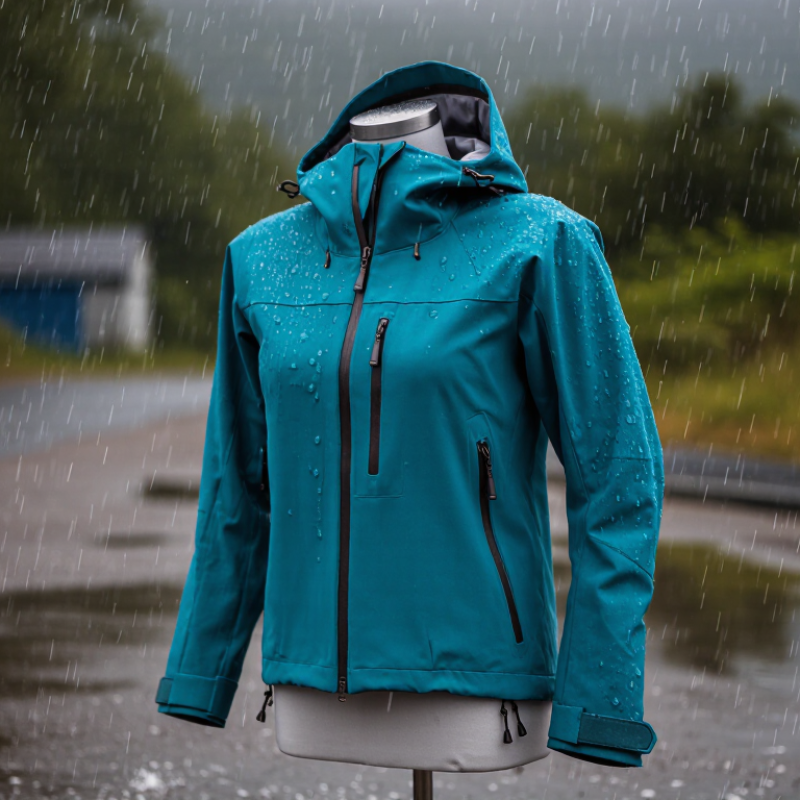
What Is the Best Type of Jacket for Rainy Weather?

How Rain Jackets Protect the Body from Wet Weather

A rain jacket keeps water off skin with a shedding outer fabric and a barrier that slows penetration. A water-repellent finish helps drops bead and roll away, while a membrane or coating limits water passing through. Sealed seams matter because stitch holes can become leak paths. A hood, snug cuffs, and adjustable hem help block rain at the neck, wrists, and waist. Small details matter. Breathable materials and ventilation openings let some body vapor escape, though hard exertion can still leave the inside damp.

Tips: Turn your head while wearing the hood; it should move with you without blocking your view. Close cuffs over gloves, and check that the hem stays put when you bend. Hang the jacket to dry after wearing it, including the hood and pockets.

Choose a jacket with room for a warm layer, but avoid excess fabric that catches the wind. For steady rain, look for dependable seam construction and good coverage. For brief showers, a lighter jacket may feel less clammy. Not a perfect fix. Even a waterproof jacket can feel uncomfortable if its hood pulls or its lining sticks to sweaty arms. Try the closures and check your range of motion before heading out. In severe weather, a jacket is not a substitute for finding proper shelter.

What Is the Best Type of Jacket for Rainy Weather?

How rain jackets help keep the body dry in wet weather

For prolonged or heavy rain, a waterproof jacket with a higher hydrostatic-head rating is generally a better choice. The figures shown are approximate common benchmarks, not universal classifications. Sealed seams, closures, and a well-fitting hood also help prevent water from reaching the body.

Key Features That Determine a Jacket’s Rain Protection

A rain jacket’s protection depends on more than a waterproof label. The face fabric should resist water, while a membrane or coating blocks moisture from passing through. Taped seams matter because needle holes can become leak paths, especially across the shoulders and hood. Check that zippers have storm flaps or water-resistant construction.

Fit matters, too. A hood should turn with your head and adjust without slipping over your eyes. Snug cuffs help keep rain from running down your sleeves, while a hem that covers your hips offers useful protection when you sit on a wet bench. Look for ventilation openings or breathable fabric if you walk briskly; trapped sweat can leave you damp even when rain stays out. Small detail, big difference.

Consider how long and hard the rain usually falls. A light shell may suit short errands, but steady downpours call for dependable seam sealing and a securely adjustable hood. Water-repellent surface treatments can wear down with use, so follow the care label and check whether the jacket needs maintenance. No jacket stays perfect forever. Also, “waterproof” does not mean comfortable in every storm; heat, movement, and fit all change how dry you feel. A slightly roomier cut can help with layers, though too much fabric may flap in wind.

Common Types of Jackets for Rainy Conditions

Rain jackets come in several useful forms, and the best choice depends on the weather and activity. A waterproof hardshell has a coated or laminated outer layer that blocks steady rain and wind. It works well for long walks or exposed trails. Look for sealed seams, an adjustable hood, and cuffs that close snugly. These details help keep water from creeping in around the neck and wrists.

A softshell is usually more flexible and breathable, but many versions only resist light rain. It suits cool, drizzly commutes better than hours of heavy downpour. A poncho offers generous coverage and slips easily over a backpack. However, wind can lift its loose hem, and the fabric may feel clammy during brisk movement. Ventilation matters.

For cold, wet days, an insulated waterproof jacket combines rain protection with warmth. It can feel too hot indoors, so removable layers are practical. A lightweight rain shell, by contrast, packs small and works over a sweater or fleece. Trench-style coats provide longer coverage for city wear, though some are water-resistant rather than fully waterproof. Check the garment’s care label and test the hood’s fit before relying on it; advertised protection can fade when fabric is worn or poorly maintained. There is no perfect option for every forecast.

How Weather and Activity Affect Jacket Choice

Rain changes more than the forecast; it changes how much protection you need and how quickly you build heat. For a short walk from a parked car, a light water-resistant shell may be enough, especially in warm weather. In steady rain, choose a waterproof jacket with sealed seams and an adjustable hood. Check the cuffs and hem, too. Water often sneaks in there. Small detail, big difference. Breathable fabric helps during brisk walking, but no jacket stays comfortable if you sweat heavily underneath. I’ve learned that “more waterproof” can feel worse on a humid uphill hike.

Activity matters just as much. For cycling, a longer back hem and close-fitting hood help keep spray off your lower back without blocking your view. On a trail, roomy shoulders make it easier to layer a fleece, while ventilation zips can release heat during climbs. For standing at a cold, windy game, insulation matters more than ventilation; a shell over warm layers is flexible, though it can feel bulky. In mild rain, carrying a compact shell may beat wearing a heavy coat all day. There is no perfect fit for every forecast. Check the expected temperature, wind, rain duration, and your pace before choosing. Still, not always. Gloves may get soaked even when your jacket performs well.

What Is the Best Type of Jacket for Rainy Weather? — How Weather and Activity Affect Jacket Choice

Jacket Type Best Weather Conditions Best for These Activities Rain and Wind Protection Breathability and Comfort Main Trade-Off
Lightweight waterproof shell Light to moderate showers; mild temperatures Commuting, walking, travel, and carrying as an emergency layer Good protection when the fabric, seams, and closures are designed to keep rain out Usually light and easy to pack; comfort can decrease during strenuous activity Limited warmth and fewer comfort features; check that seams are sealed for reliable rain protection
2.5-layer waterproof-breathable shell Changeable conditions, regular showers, and wet days Day hiking, cycling, and active everyday use Generally strong rain and wind protection when properly constructed Lightweight and packable; moisture can build up inside during hard exercise Often less durable or comfortable against the skin than a lined or 3-layer shell
3-layer waterproof-breathable shell Prolonged rain, wind, and demanding conditions Backpacking, mountaineering, and frequent outdoor use Designed for sustained exposure; construction quality and fit still matter Durable and suitable for layering; can feel stiff or warm during high-output activity Typically heavier, bulkier, and more expensive than simpler rain shells
Insulated waterproof jacket Cold rain, sleet, or wet winter weather Cold-weather commuting, standing outdoors, and low-intensity activities Good protection if the outer fabric and seams are made for wet conditions Provides warmth without requiring as many layers underneath Can become too warm during exercise; insulation may take longer to dry if it becomes wet
Water-resistant softshell Drizzle, brief showers, and cool, breezy weather Walking, climbing, and active use when freedom of movement matters Repels some moisture but is not a dependable choice for prolonged or heavy rain Often flexible and comfortable, with good airflow during movement Water resistance can be exceeded by sustained rain; not a substitute for a waterproof shell
Rain poncho Warm, wet weather and sudden downpours Casual walking, festivals, and use over a backpack Broad coverage can shield clothing and gear from rain Loose fit allows airflow but may flap in wind and feel awkward during fast movement Less secure in windy conditions and less practical for cycling or technical outdoor activities

How to choose: For prolonged rain, prioritize a waterproof jacket with sealed seams. For strenuous activity, favor a lighter, more breathable shell and use adjustable vents or layers to manage heat. In cold weather, choose insulation or layer underneath; no jacket stays comfortable if heat and perspiration cannot escape.

How to Choose a Rain Jacket for Everyday Needs

What Is the Best Type of Jacket for Rainy Weather?
How to Choose a Rain Jacket for Everyday Needs

For everyday use, choose a jacket that matches your usual trips, not the worst storm you can imagine. A short walk to the bus stop needs different coverage from a long bike commute. Look for a hood that stays in place when you turn your head, sleeves that cover your wrists, and a hem that does not ride up when you sit. Check the hood.

Water resistance and breathability both matter. A fully waterproof jacket can keep rain out, but you may feel clammy inside during a brisk walk. For light showers and short errands, a breathable water-resistant shell may feel more comfortable. In steady rain, taped seams and a waterproof membrane offer more reliable protection. No jacket solves every situation.

Think about what you will carry and wear underneath. A roomy cut can fit a warm layer, but excess fabric may flap in wind or catch on a backpack strap. Pockets should be easy to reach, even with a bag on. Test the zipper and hood adjustment before buying; small details become annoying on wet mornings. I would not choose by fabric claims alone. Fit is personal, and a jacket that feels awkward in the store probably will not improve on a rainy sidewalk.

FAQS

What type of jacket works best in steady rain?

Choose a waterproof hardshell with sealed seams, an adjustable hood, and snug cuffs. These details help block water at the neck and wrists.

Is a softshell suitable for rainy commutes?

It can work for cool, light drizzle and short trips. Many softshells resist rain rather than block hours of downpour. Check the forecast.

When is a poncho a practical choice?

A poncho can cover you and a backpack quickly. Its loose hem may lift in wind, and brisk walking can feel clammy. Ventilation helps.

What should cyclists look for in a rain jacket?

A longer back hem helps keep spray off your lower back. A close-fitting hood should not block your view. Test it while turning your head.

How can I stay comfortable on a rainy trail?

Choose roomy shoulders for a fleece layer and ventilation zips for uphill climbs. Breathable fabric helps, but heavy sweating can still feel uncomfortable.

Is an insulated waterproof jacket right for cold, wet days?

It combines warmth and rain protection, which can help when you are standing outside. Indoors, it may feel too hot. Removable layers offer flexibility.

What details matter in an everyday rain jacket?

Check that the sleeves cover your wrists and the hem stays down when you sit. Make sure pockets are reachable with a backpack on. Small details matter.

How should I choose between water-resistant and waterproof protection?

A breathable water-resistant shell may suit light showers and short errands. For steady rain, look for sealed seams and a waterproof membrane. I still sometimes underestimate how humid an uphill walk feels.

Can a jacket’s protection change over time?

Yes. Worn fabric or poor care can reduce performance. Check the care label, and do not rely on advertised protection alone. Test the hood, too.

Conclusion

Choosing what type of jacket is best for rainy weather depends on how much protection, comfort, and mobility you need. A rain jacket helps keep the body dry by blocking water from reaching clothing and skin, while breathable materials can let excess heat and moisture escape. Important features include a water-resistant or waterproof outer layer, sealed seams, a secure hood, adjustable cuffs, and a fit that allows comfortable movement. Some jackets are lightweight and easy to pack, while others provide extra warmth or coverage for prolonged exposure to wet conditions.

The right choice also depends on the weather and your activity. For brief showers and everyday errands, a light, versatile jacket may be sufficient. For heavy rain, windy conditions, or outdoor activities, stronger water protection and a well-fitting hood can make a noticeable difference. Consider whether you will be walking, commuting, or exercising, and think about layering for changing temperatures. A practical rain jacket balances weather protection, breathability, comfort, and convenience for your daily needs.

Madeline

Madeline

Madeline is a dedicated marketing professional with a wealth of expertise in our company's core offerings. With a keen understanding of the industry, she brings a unique perspective to her role, consistently delivering high-quality content that highlights the superior aspects of our products. As......