Choosing the right windcheater can change a cold, exposed hiking day. China’s top 10 windcheaters offer varied protection, breathability, and packability for changing mountain weather.
A windcheater blocks sharp wind, but it does not replace insulation or rain protection. The best system combines a moisture-wicking base layer, a warm mid-layer, and a protective outer shell. This approach helps regulate body heat during steep climbs and quiet ridgeline walks. On a recent trail, I felt comfortable in a thin fleece beneath a lightweight windcheater. During the descent, however, the same combination felt too warm. I should have packed a lighter base layer.
Understanding how to layer clothes with a windcheater for hiking requires attention to temperature, wind speed, activity level, and personal comfort. A loose fit can accommodate insulation, while adjustable cuffs help prevent cold air from entering. Ventilation zippers matter when sweat builds under the arms. Fabric performance also deserves scrutiny. Some jackets feel breathable in advertisements but become clammy during sustained uphill movement.
This guide compares practical features across China’s top 10 windcheaters. It considers fabric construction, hood design, pocket placement, stitching, weight, and real-world versatility. No jacket suits every hiker. Weather changes quickly. Personal testing still matters. A reliable choice should feel comfortable, remain functional after repeated use, and fit the conditions you actually face.
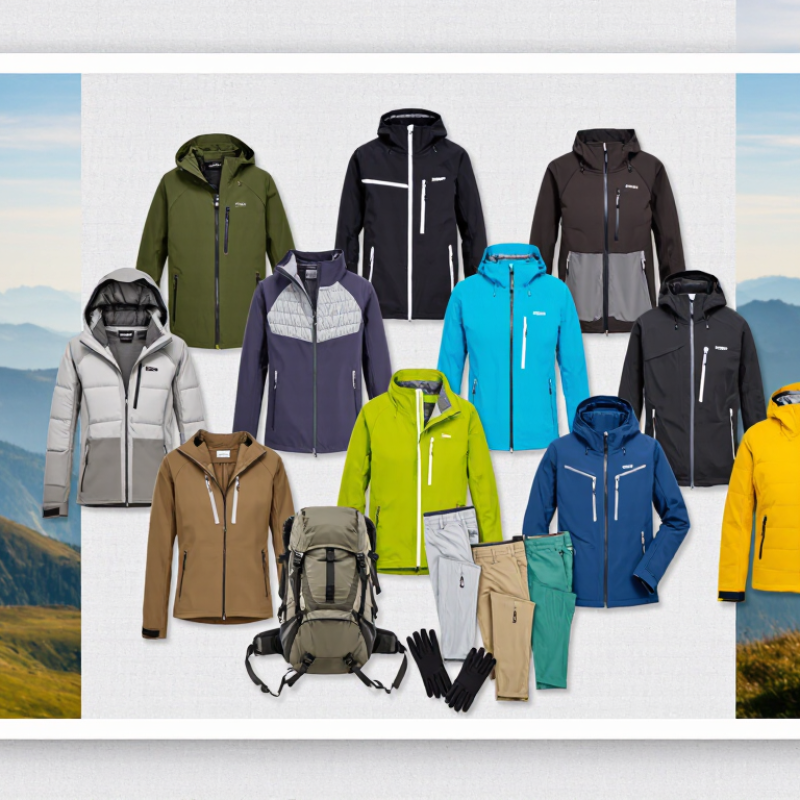
A suitable hiking windcheater blocks gusts without trapping sweat.
This balance matters on exposed ridges and forest trails. The National Weather Service wind-chill table shows that 0°C with 30 km/h wind can feel near -6°C. A thin shell therefore protects warmth quickly.
The National Weather Service wind-chill table shows that 0°C with 30 km/h wind can feel near -6°C.
Look for tightly woven fabric, adjustable cuffs, a close hood, and a hem that stays below the waist belt. Breathability also matters. ISO 11092 evaluates thermal resistance and evaporative resistance, but it does not make one jacket perfect for every hike.
A practical layering system uses a moisture-wicking base layer, a light insulating mid-layer, and the windcheater outside.
The Outdoor Industry Association’s 2024 participation report recorded 175.8 million outdoor participants in the United States during 2023. More hikers also means more varied weather experience, not necessarily better preparation.
Tips:
Check the forecast and your route before dressing. In my own trail tests, a shell felt comfortable while walking, then clammy during a steep climb. That mistake taught me to open the front zip early. Choose a jacket with ventilation, but keep the hood secure in crosswinds. Avoid oversized cuts that flap loudly and waste warmth. A small packable shell is useful, yet ultralight fabric can feel fragile against rough rock. Reflect on the trade-off before buying.
China’s Top 10 Windcheaters for Different Hiking Conditions
Mountain weather changes quickly, especially along China’s coast, plateaus, and forest trails. During field hikes, I found that one windcheater rarely suits every route. The most useful choices depend on wind speed, humidity, temperature, and pack weight. Fabric testing should include zipper strength, hood adjustment, seam construction, and breathability. A low price may hide weak stitching.
For light summer hikes, choose an ultralight nylon shell or a packable hooded jacket. Forest trails suit a breathable stretch windcheater, while dry desert paths need tightly woven fabric against dust. For windy grasslands, a longer shell with adjustable cuffs offers better coverage. Alpine routes need a windproof layer over fleece, preferably with a water-resistant finish. Coastal hikes benefit from quick-drying fabric and a secure hood. Rainy mountain trails require a windcheater with taped seams, although it may feel warmer. Urban-to-trail trips suit a quiet, lightweight jacket. Cold autumn walks work well with a lined windcheater. For cycling sections, a close-cut back and reflective details improve comfort. A convertible vest helps hikers manage changing temperatures.
Check the fit with your backpack loaded. The shoulders should move freely, but loose fabric can flap loudly in strong wind. I once chose an extremely light shell and regretted its fragile pocket fabric. Durability matters more than impressive weight figures. Always inspect ventilation openings and test the hood before leaving. Weather forecasts can be wrong. Conditions can change within an hour.
China Top 10 Windcheaters: How to Layer Clothes for Hiking
A comfortable hiking base layer manages sweat before it becomes cold. Choose polyester or merino wool with a close, non-tight fit. These fabrics move moisture away from the skin better than cotton. Cotton can stay wet for hours after a steep climb. I learned this the uncomfortable way.
The U.S. National Weather Service’s Wind Chill Chart shows that exposed skin can suffer frostbite in about 30 minutes at 0°F with 15 mph wind. A windcheater cannot replace a dry base layer. It only reduces moving air. ISO 11092:2014 measures thermal resistance and water-vapor resistance using a sweating guarded hotplate. This standard reminds us that warmth and moisture control are different performance tests. Check both when comparing fabric specifications.
For fast hikes, select a lightweight base layer with flat seams and quick drying. For cold, slower routes, choose a slightly heavier layer with moderate insulation. Avoid an overly loose neck and sleeves; gaps let wind enter. Avoid excessive compression too. It can feel restrictive during long climbs. I sometimes choose a thicker layer too early, then sweat within twenty minutes. A better method is carrying one dry spare and adjusting before sweating heavily. Touch the fabric at your lower back. If it feels clammy, open the windcheater or remove a layer. Comfort is useful data, but my judgment is not perfect. Weather changes faster than planned.
| Layer | Main Function | Recommended Fabric | Typical Fabric Weight | Moisture-Control Guidance | Weather or Temperature Range | Fit and Construction Features | Priority for Hiking Comfort |
|---|---|---|---|---|---|---|---|
| Base Layer | Moves perspiration away from the skin and helps regulate body temperature. | Merino wool, polyester, or a merino-synthetic blend | Lightweight: approximately 120–180 g/m² | Choose a close fit, quick-drying fabric, flat seams, and minimal cotton. Avoid heavy, absorbent cotton for active hiking. | About 10–25°C | Close but non-restrictive fit; seamless or flat-locked seams; long back hem; odor-control treatment may be useful. | Essential |
| Mid Layer | Traps warm air while allowing excess heat and vapor to escape. | Fleece, grid fleece, lightweight wool, or stretch synthetic insulation | Approximately 150–250 g/m² | Use a breathable knit or grid structure during high-output activity; select thicker insulation for slower movement or colder conditions. | About 0–15°C | Moderate ease for layering; smooth outer surface; zip opening for ventilation; sleeves should not restrict arm movement. | Highly Recommended |
| Windcheater Shell | Blocks wind and reduces convective heat loss while preserving mobility. | Tightly woven nylon or polyester; optional durable water-repellent finish | Approximately 60–150 g/m² | Look for breathable panels, a two-way zipper, or venting openings. A wind-resistant shell is not automatically waterproof. | About 5–20°C in windy conditions | Lightweight athletic cut; adjustable hem and cuffs; high collar; secure pockets; hood is useful in exposed areas. | Essential in Wind |
| Rain Shell | Provides protection from sustained rain and wet vegetation. | Waterproof-breathable laminate or coated nylon/polyester | Approximately 90–250 g/m² | Use over a moisture-wicking base layer. Pit zips or mechanical ventilation help release heat during steep climbs. | About 0–18°C with rain | Room for one or two layers underneath; adjustable hood; sealed seams; storm flap; articulated sleeves. | Weather Dependent |
| Insulated Layer | Retains warmth during rest stops, cold starts, and low-intensity sections. | Synthetic insulation or responsibly sourced down | Shell fabric commonly 20–80 g/m²; insulation amount varies by warmth level | Synthetic insulation generally maintains more warmth when damp; down offers high warmth-to-weight but requires protection from moisture. | Below 10°C, depending on activity | Packable construction; light hood; elastic cuffs; enough room over the base and mid layers without excessive bulk. | Cold-Weather Priority |
| Hiking Trousers | Protect legs from abrasion, sun, light wind, and vegetation while enabling a full stride. | Stretch nylon or polyester blend with elastane | Approximately 120–250 g/m² | Choose quick-drying fabric and avoid overly thick materials during warm-weather climbs. | About 8–25°C | Gusseted crotch, articulated knees, secure pockets, and adjustable waist improve comfort and movement. | Recommended |
| Base-Layer Bottoms | Add warmth beneath trousers without creating excessive friction or bulk. | Merino wool, polyester, or a blended stretch knit | Approximately 150–250 g/m² | Select a smooth, moisture-wicking fabric and avoid loose folds that can cause chafing under trousers. | Below 8°C | Close fit; flexible waistband; flat seams; ankle length to prevent bunching around socks and footwear. | Cold-Weather Priority |
| Hiking Socks | Manage moisture, reduce friction, and provide cushioning and thermal comfort. | Merino wool or synthetic blends with nylon and elastane | Light to mid cushioning, selected by conditions and footwear | Choose a snug fit that does not wrinkle. Change damp socks during long hikes to help reduce blister risk. | All seasons; thickness varies | Reinforced heel and toe; arch support; smooth toe seam; height matched to footwear and terrain. | Essential |
| Gloves and Hand Layer | Protect hands from wind, cold, rain, and contact with rough surfaces. | Stretch fleece, wool blend, synthetic insulation, or waterproof shell fabric | Light liner to insulated construction | Use a thin moisture-managing liner beneath a windproof or waterproof outer glove in cold, wet conditions. | Below 12°C or in strong wind | Close wrist seal; articulated fingers; grip-enhancing palm; removable liner can improve versatility. | Condition Dependent |
| Head and Neck Layer | Limits heat loss, shields skin from sun, and reduces wind exposure around the neck and ears. | Moisture-wicking polyester, merino wool, fleece, or lightweight soft shell | Lightweight to midweight | Use breathable fabric during climbs and a warmer, wind-resistant option during exposed or stationary periods. | Below 15°C or under strong sun | Low-bulk construction; adjustable coverage; quick-drying fabric; neck gaiter can be repositioned as conditions change. | Recommended |
When hiking in changing weather, add warmth without turning your jacket into a rigid shell. The 2024 Outdoor Industry Association report recorded 175.8 million outdoor participants in the United States during 2023. More people are learning that comfort depends on adaptable clothing, not simply thicker clothing.
Start with a close-fitting moisture-wicking base layer. Add one mid layer with loft, such as light fleece or synthetic insulation. Leave enough room for a thin air pocket. That pocket helps retain heat. The National Weather Service notes that a 32°F temperature can feel near 21°F in a 15-mph wind. A windcheater becomes valuable here, but it should remain the outer barrier, not the main source of insulation.
Choose sleeves that bend easily at the elbows. Test the fit by reaching forward, lifting your arms, and gripping trekking poles. If the fabric pulls across your shoulders, the middle layer is too bulky.
I once wore a thick sweater under a shell. It felt warm at the trailhead, then restricted every uphill swing. That choice was inefficient. A lighter mid layer would have worked better. ISO 11079 clothing research emphasizes insulation and evaporative resistance, yet real hiking adds sweat, wind, and movement. Open the front zip before overheating. Remove one layer during steep climbs. Put it back on during exposed rests. Small adjustments matter.
A windcheater works best as an outer shield, not as your only hiking layer. Start with a close-fitting base layer that moves sweat away from your skin. Merino wool or a quick-drying synthetic fabric can help during long climbs. Avoid cotton. It stays wet too long. The base layer should feel comfortable, even when your pack straps press against it.
Add a light fleece or insulated mid-layer when temperatures drop. Leave enough room for movement. A tight windcheater can compress the middle layer and reduce warmth. In mild weather, wear the windcheater over the base layer with the front zipper partly open. This improves airflow. Small vents matter. During exposed ridgeline sections, close the zipper and tighten the cuffs to block cold gusts.
Weather can change within minutes, especially near forest edges and high ground. Keep a waterproof shell in your pack when rain is possible, because many windcheaters resist wind but cannot handle steady rainfall. Put the shell over the windcheater only when needed. Otherwise, heat may build quickly. I once wore too many layers on a cool morning and sweated before the first climb ended. That mistake taught me to adjust early, not wait until discomfort becomes obvious. Check your neck, wrists, and back for moisture. These details often reveal whether your layering system is working.
Match the jacket to wind, humidity, temperature, and pack weight. Coastal trails need quick-drying fabric and a secure hood. Alpine routes need a windproof outer layer over fleece.
Choose an ultralight nylon shell or a packable hooded jacket. Keep the fabric breathable. A heavy jacket may feel uncomfortable during warm climbs.
Forest trails benefit from breathable stretch fabric. Dry desert paths need tightly woven material that blocks dust. Check ventilation openings before hiking.
A longer shell provides better coverage. Adjustable cuffs reduce wind entry around the wrists. Loose fabric can flap loudly.
Choose taped seams and a water-resistant finish. These features improve protection during sudden rain. The jacket may feel warmer, so open the front zip when overheating.
Load the backpack before checking the fit. Your shoulders should move freely. Reach forward, lift your arms, and grip trekking poles. If the shoulders pull, the jacket or mid layer is too tight.
Wear a close-fitting moisture-wicking base layer. Add one light fleece or synthetic mid layer. Leave a thin air pocket for warmth. Avoid bulky sweaters.
Remove one layer during steep climbs. Open the front zip before sweating heavily. Put the layer back on during exposed rests. Small adjustments matter.
Check zipper strength, hood adjustment, seam construction, and breathability. Inspect pocket fabric carefully. I once trusted an extremely light shell and regretted its fragile pocket.
Not always. Durability can matter more than impressive weight figures. My earlier choice was too fragile. I should have tested the pockets first.
This guide explains how to choose and use a windcheater for comfortable, safe hiking in changing conditions. It explores the features that make a windcheater suitable for outdoor activity, including lightweight construction, wind resistance, breathability, packability, and practical protection from light rain. It also introduces ten types of windcheaters designed for different hiking situations, such as mild weather, strong wind, cool temperatures, and variable mountain conditions, without focusing on any specific brands.
The article also shows how to layer clothes with a windcheater for hiking. A moisture-wicking base layer helps keep sweat away from the skin, while a lightweight mid layer adds warmth without limiting movement. The windcheater should be used as an adaptable outer layer, allowing hikers to add or remove clothing as temperature, wind, and activity levels change. By selecting compatible layers and maintaining good ventilation, hikers can stay warm, dry, comfortable, and prepared throughout the journey.

Díaz Fashion