When it comes to outdoor apparel, understanding the distinctions between a windcheater and a windbreaker is essential. Many people often confuse these two garments. According to John Smith, an expert in outdoor gear, "The difference between a windcheater and a windbreaker lies in their materials and design." This insight highlights the need for clarity in the world of functional fashion.
Windcheaters are typically made from thicker fabrics, often with a lining. They provide more warmth and protection against cold winds. In contrast, windbreakers are lighter and more breathable. Their primary purpose is to shield against wind and light rain without adding bulk. Both styles serve unique purposes, but understanding what is the difference between a windcheater and a windbreaker will help consumers make informed choices.
Choosing the right garment depends on the weather and activity level. A windcheater might suit a chilly hike, while a windbreaker is better for running on mild days. Evaluating personal needs and preferences is crucial. Remember, not all jackets serve the same function. Reflecting on these differences is essential for anyone who enjoys outdoor adventures.
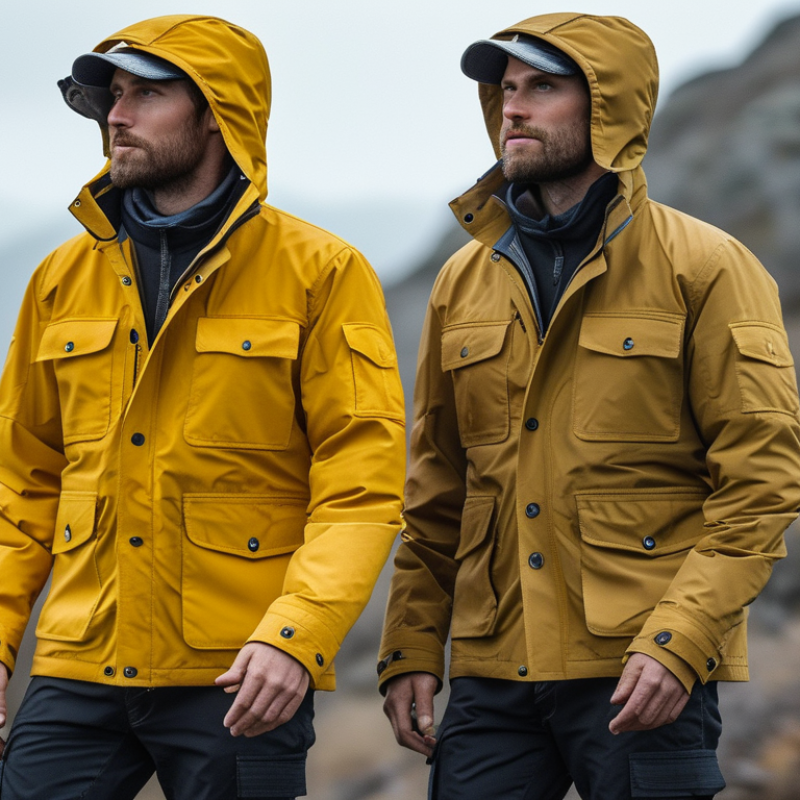
When considering the differences between a windcheater and a windbreaker, it helps to understand their basic definitions. A windcheater is typically designed to provide a barrier against wind and light rain. It often features a more durable outer fabric. This design allows for a snug fit, reducing flapping during movement. Windcheaters can also have additional insulation, making them suitable for cooler conditions.
In contrast, a windbreaker is lighter and more breathable. It focuses primarily on wind resistance without the added warmth or heaviness of a windcheater. Usually made of thin material, windbreakers are ideal for warmer climates or high-energy activities. They pack easily for travel, but may not withstand prolonged exposure to rain. Understanding these distinctions can improve your outdoor wardrobe choices, especially when weather plays a crucial role in your activities.
Choosing between them can be tricky. Consider your specific needs. If you're facing unpredictable weather, a windcheater may be necessary. However, for active pursuits in milder conditions, a windbreaker could suffice. Reflecting on your past experiences can guide you. Each option has its merits and limitations, so think about your activities before making a decision.
When choosing between a windcheater and a windbreaker, understanding the material and design of a windcheater is essential. Windcheaters are typically made of thicker, more durable fabric. This construction helps provide better protection against harsher weather conditions. Common materials include polyester or nylon. These fabrics can be treated to repel water, making them ideal for unpredictable climates.
The design of a windcheater often includes a more fitted silhouette. This snug fit helps to trap heat, enhancing warmth during windy days. Many models feature adjustable hoods and cuffs, providing additional protection. Furthermore, windcheaters often have multiple pockets, which are practical for storing essentials. Look for features like ventilation openings to improve breathability.
Tips: Pay attention to the fabric weight. Thicker materials signify a windcheater. Also, check for additional layers or linings; these are signs of a well-made garment. If unsure, try it on to see how it fits. A well-fitted windcheater should allow you to move comfortably. Always consider your activities and the weather you’ll face. It can influence your choice between styles.
When distinguishing between a windcheater and a windbreaker, it’s crucial to understand their specific features. A windbreaker typically uses lightweight, water-resistant materials. This design helps it repel light moisture, making it versatile for different weather conditions. Most windbreakers are crafted with a soft inner lining that enhances comfort. In contrast, windcheaters may offer additional insulation, which can make them bulkier.
The design characteristics of windbreakers often include elastic cuffs and adjustable hems. These features help seal out wind and provide a snug fit. Windbreakers usually have zippers that run from the hem to the collar, allowing for easy adjustments. Some designs may even include pockets with secure closures, ideal for storing small personal items.
Here are some tips for choosing the right windbreaker: Consider the climate you’ll encounter. A thicker fabric is better for colder conditions. Look for reflective elements if you plan to jog or bike in low light. Finally, pay attention to fit; a well-fitted windbreaker will enhance mobility during activities. Remember, it’s essential to pick a style that reflects your needs.
When choosing between a windcheater and a windbreaker, understanding their practical uses is crucial. Both garments serve the purpose of protecting against wind and mild rain. However, they differ in design and functionality. A windbreaker is generally lightweight, designed for high breathability. It’s ideal for activities like jogging or cycling. Data indicates that athletes prefer windbreakers due to their versatility.
On the other hand, windcheaters often feature a more robust fabric that provides extra insulation. They are suitable for colder weather when the wind chill is a significant concern. The thicker material can keep body heat trapped, making them ideal for hiking or outdoor adventures. A report by the Outdoor Industry Association shows that 75% of outdoor enthusiasts opt for windcheaters in transitional seasons.
Tip: For active pursuits, windbreakers are the best choice. They allow for more movement and sweat evaporation. If you are planning a hiking trip in cooler weather, a windcheater is your best bet.
Tip: Always consider layering. A lightweight shirt underneath a windbreaker can enhance comfort. For windcheaters, wear moisture-wicking fabrics beneath to manage perspiration effectively.
| Feature | Windcheater | Windbreaker |
|---|---|---|
| Material | Typically made from heavier, more durable materials | Usually lightweight and thin |
| Wind Resistance | Better wind resistance due to tighter weave | Good wind resistance, but not as effective as windcheaters |
| Water Resistance | More likely to be water-resistant or waterproof | Generally water-resistant but lacks waterproof capabilities |
| Insulation | Often includes insulation for colder weather | Minimal to no insulation, primarily for warm conditions |
| Typical Use | Suitable for colder, windy, and rainy conditions | Ideal for mild, breezy weather without significant rain |
| Style | Generally more fitted and styled | Often a looser fit for comfort |
When choosing the right jacket for outdoor activities, understanding fabric and fit is crucial. Windcheaters often use thicker materials. They provide excellent insulation, making them great for cool, calm days. Windbreakers, on the other hand, are typically lighter. They allow more air circulation, which is ideal for warmer climates or high-energy activities.
Consider your activity level. If you're planning a strenuous hike, a windbreaker may suit you better. It won’t weigh you down, keeping you light on your feet. However, if you’ll be stationary, like fishing, a windcheater might be the better choice. It traps heat and protects against chilly breezes.
Don't forget to check the fit. An ill-fitting jacket can limit mobility and comfort. Try moving your arms before buying. Pay attention to how it feels around your shoulders. Reflect on the weather conditions you usually encounter. Are you caught in unexpected showers? Look for water-resistant options. Think about your wardrobe too. A versatile color will blend well with your existing clothes.
: A windbreaker is lightweight and breathable. A windcheater has thicker fabric for insulation.
Windbreakers are ideal for activities like jogging or cycling in mild weather.
Windcheaters are suitable for colder weather and activities like hiking or fishing.
Consider the fabric, fit, and your planned activity level when selecting a jacket.
Yes. A lightweight shirt under a windbreaker or moisture-wicking fabric under a windcheater is recommended.
An ill-fitting jacket can restrict your movement and reduce comfort during activities.
Reflect on the typical weather you face and choose between water-resistant or insulating options.
Not ideal for cold temperatures, as windbreakers provide less insulation compared to windcheaters.
Look for thicker material that keeps heat trapped for added warmth in chilly conditions.
Choosing a versatile color helps the jacket blend well with your existing clothes.
Understanding what is the difference between a windcheater and a windbreaker involves examining their definitions and key features. A windcheater is typically made from a lighter, often breathable material that helps protect against light rain and wind, while a windbreaker is usually designed with a more robust construction to shield against stronger winds and heavier rain.
In practical use, the choice between a windcheater and a windbreaker largely depends on the outdoor activities planned. For casual outings or mild conditions, a windcheater may suffice, whereas a windbreaker is preferable for more rigorous activities or unpredictable weather. When selecting the right jacket, consider factors like material, design characteristics, and the specific requirements of your outdoor endeavors to ensure optimal comfort and protection.

Díaz Fashion