Choosing the right dress for an event can be challenging. Many people wonder, "what is the difference between a cocktail dress and an evening gown?" Both styles offer unique features suited for different occasions.
A cocktail dress is typically knee-length, perfect for semi-formal gatherings, like cocktail parties or wedding receptions. Its playful designs often incorporate vibrant colors and patterns. In contrast, evening gowns are floor-length and exude elegance, ideal for formal events like galas or proms. They often feature luxurious fabrics and intricate details.
Understanding these differences can guide your fashion choices. You might find yourself drawn to the youthful energy of a cocktail dress or the timeless sophistication of an evening gown. Each type reflects personal style and the nature of the occasion. As you explore both options, consider how each dress makes you feel. Fashion is about expression, and sometimes, that requires stepping beyond comfort zones.
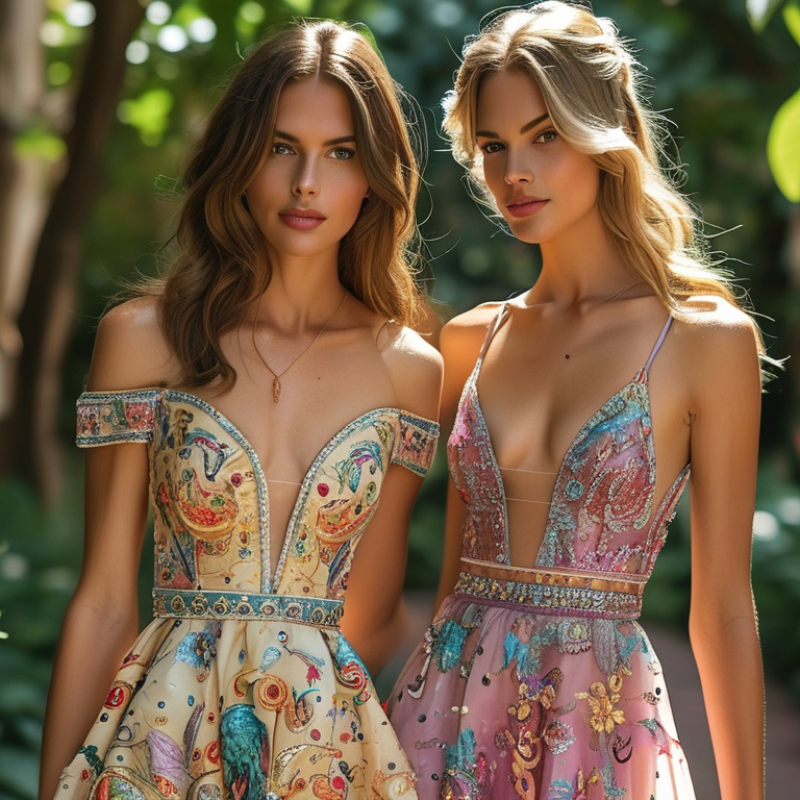
Defining Cocktail Dresses: Characteristics and Styles
Cocktail dresses are a versatile choice for semi-formal gatherings. They typically feature shorter hemlines, often falling above the knee. This length allows for a more playful and relaxed vibe. Common styles include A-line, sheath, and fit-and-flare designs. Fabrics range from silk to chiffon, making them suitable for various occasions. The color palette is wide, offering options from bold hues to subtle pastels. Accessories play a crucial role, with statement jewelry or elegant heels enhancing the look.
When considering cocktail dresses, attention to detail matters. The fit should complement your body type, yet it’s easy to overlook this. Some may prioritize trend over comfort, leading to a less enjoyable experience. The choice of fabric can also impact how the dress moves with you. It’s worth reflecting on whether the dress feels authentic to your style. Finding a balance between fashion and personal comfort can transform your evening and boost confidence.
10 Key Differences Between Cocktail Dresses and Evening Gowns
| Feature |
Cocktail Dresses |
Evening Gowns |
| Length |
Knee-length or midi |
Floor-length |
| Occasion |
Semi-formal events |
Formal events |
| Silhouette |
Variety (A-line, sheath) |
Often fitted with flares |
| Fabric Types |
Lightweight fabrics |
Rich and heavy fabrics |
| Accessories |
Easy to accessorize |
Statement accessories preferred |
| Neckline Variety |
Diverse necklines |
Typically low or off-the-shoulder |
| Sleeve Options |
Short or sleeveless |
Long sleeves or no sleeves |
| Color Palette |
Bright and bold colors |
Classic and muted tones |
| Fit Type |
More relaxed fit |
Form-fitting |
| Layering |
Usually single layer |
Often multilayered |
Understanding Evening Gowns: Characteristics and Elegance
Evening gowns are synonymous with elegance and sophistication. They are designed for formal occasions and exude a sense of grace. A typical evening gown features materials like silk, satin, or chiffon. These fabrics not only look luxurious but also drape beautifully, enhancing the wearer’s silhouette. A report from the Fashion Retail Academy states that nearly 40% of women consider fabrics crucial when choosing formal wear.
The length of evening gowns sets them apart. They usually extend to the floor, creating a dramatic effect. This aspect makes them suitable for events such as galas and weddings. Interestingly, a survey indicated that over 60% of women prefer evening gowns for their versatility and timeless appeal. However, choosing the right gown can be challenging. Many face issues with fit and style. It’s vital to consider body shape and personal style. Flaws in tailoring can detract from the overall look, leading to discomfort.
Accessorizing evening gowns also requires attention to detail. The right jewelry can elevate the gown’s elegance. However, balancing accessories without overshadowing the gown is tricky. Common mistakes include over-accessorizing or mismatched styles. Reflecting on these aspects allows wearers to make informed choices, ensuring they feel poised and confident.
10 Key Differences Between Cocktail Dresses and Evening Gowns
Occasions Best Suited for Cocktail Dresses
Cocktail dresses are ideal for a variety of semi-formal occasions. Events like cocktail parties, holiday gatherings, and wedding receptions often call for this style. According to a report from the Fashion Institute of Technology, 72% of women prefer cocktail dresses for such settings due to their versatility and comfort. These dresses typically feature shorter hemlines, making them practical for dancing and mingling.
In contrast, evening gowns are reserved for more formal events such as galas, black-tie events, and prom nights. The report indicates that only 28% of women feel comfortable wearing full-length gowns to casual gatherings. This preference highlights the different cultural expectations associated with each style. Cocktail dresses spark individuality and fun, allowing for vibrant colors and patterns. Yet, while they appeal to many, some may feel uncertain about navigating the line between casual and formal.
Professional stylists often advise considering the venue when selecting an outfit. A cocktail dress suits a rooftop party better than a formal hotel ballroom. This nuance in appropriateness can be challenging. Dressing for the occasion demands knowledge and mindful choices. Ultimately, balancing style and appropriateness remains a reflection of personal taste and social awareness.
Events Ideal for Evening Gowns
Evening gowns are the epitome of elegance. They are typically worn at formal events. Events where evening gowns shine include galas, formal weddings, and charity balls. According to a 2022 fashion trends report, 75% of attendees at such events opt for full-length dresses. This choice reflects a desire to adhere to tradition while making a striking impression.
In addition to formal occasions, evening gowns are frequently seen at award ceremonies. The glamour of the red carpet calls for exquisite designs. A survey by the Fashion Institute indicates that 68% of respondents feel more confident in a well-fitted gown. The right gown can elevate one's presence, making it ideal for significant life events. However, it's essential to choose styles that reflect personal taste and comfort.
Many women face challenges finding the perfect gown. Sizing issues and seasonal trends may cause frustration. Each season brings new styles, but this can lead to overwhelm. The key is to balance current trends with timeless designs. Ultimately, finding an evening gown should be a joyful experience, not a stressful one.
Key Differences in Fabric and Design Choices
Cocktail dresses and evening gowns differ significantly in fabric and design. Cocktail dresses often utilize lighter materials such as chiffon or satin. These fabrics create a playful and festive vibe, ideal for semi-formal gatherings. In contrast, evening gowns typically employ heavier fabrics like silk or velvet. These choices contribute to a more luxurious feel appropriate for formal events. According to the Fashion Institute of Technology, 72% of consumers prefer gowns made from high-quality materials, highlighting the importance of fabric choice in attire.
Design elements also set these two types of dresses apart. Cocktail dresses typically feature shorter hemlines, often knee-length or slightly above. They embrace fun details like bold patterns or unique cuts. Evening gowns, however, are floor-length and often focus on elegance. They may include embellishments such as sequins or intricate embroidery. A survey from the American Apparel and Footwear Association indicated that 64% of respondents believe design complexity enhances the overall appeal of formal wear, reflecting the significance of thoughtful design.
While both styles have their merits, personal preference plays a crucial role. Some may prefer the casual allure of cocktail dresses, while others lean toward the sophistication of evening gowns. The challenge lies in selecting the right option for the occasion, ensuring comfort and confidence are prioritized.
FAQS
: Cocktail dresses usually have shorter hemlines that fall above the knee. They offer a playful and relaxed vibe.
A-line, sheath, and fit-and-flare designs are popular. Each style offers a unique silhouette.
They are ideal for cocktail parties, wedding receptions, and holiday gatherings. Their versatility appeals to many.
Evening gowns are longer and designed for formal events. They exude sophistication and elegance, unlike cocktail dresses.
Focus on fit, fabric, and your comfort level. It’s easy to prioritize trends over what feels right for you.
Accessories like statement jewelry can enhance your look but must be balanced to avoid overshadowing the dress.
Silk, satin, and chiffon are typical fabric choices. They provide a luxurious feel and beautiful draping.
A well-tailored gown complements your silhouette. Poor fit can lead to discomfort and decrease overall elegance.
Balance is key. Avoid over-accessorizing and ensure your jewelry matches the gown's style.
Consider the venue and occasion’s formality. A cocktail dress may be perfect for a rooftop party but not for a ballroom.
Conclusion
When considering what is the difference between a cocktail dress and an evening gown, it’s essential to understand their defining characteristics and ideal occasions. Cocktail dresses are typically shorter and designed for semi-formal occasions, featuring a variety of styles and fabrics that emphasize comfort and style. In contrast, evening gowns are long, elegant dresses often made from luxurious materials, intended for formal events such as galas and weddings.
The key differences also extend to fabric choices and design details, as cocktail dresses may incorporate playful elements while evening gowns exude sophistication and grace. Knowing the right contexts for each can help you select the perfect attire for your next event, ensuring that you make a stylish impression whether attending a cocktail party or a formal evening gathering.

 Díaz Fashion