Evening dresses often carry hefty price tags, prompting the question: "why are evening dresses so expensive?" According to the Fashion Institute of Technology, high-end evening gowns can range from $1,000 to over $10,000. Renowned fashion expert Dr. Julia Beaumont once stated, "The craftsmanship and materials used in evening wear dictate its cost." This highlights the importance of quality in evening fashion.
Luxury fabrics, intricate beading, and detailed tailoring contribute to the overall expense. Many designers source rare materials from around the globe. For instance, silk from Italy or unique sequins from France can elevate a dress's value significantly. Moreover, time-intensive labor further increases costs. A single dress can take up to 100 hours to create, reflecting the dedication of skilled artisans.
However, not every expensive dress guarantees quality. Sometimes, branding accounts for much of the price. Consumers often grapple with the balance between brand prestige and actual value. Understanding "why are evening dresses so expensive" requires consumers to distinguish between true craftsmanship and mere label allure. In this intricate world of evening wear, prices can evoke both admiration and reflection.
Factors Influencing the Cost of Evening Dresses
Evening dresses often come with a hefty price tag due to several key factors. One of the primary influences is the quality of materials used. Luxurious fabrics like silk, satin, and lace are costly. Their textures not only enhance the look but also determine the dress's overall appeal. A dress made of high-quality materials often feels more comfortable and looks refined.
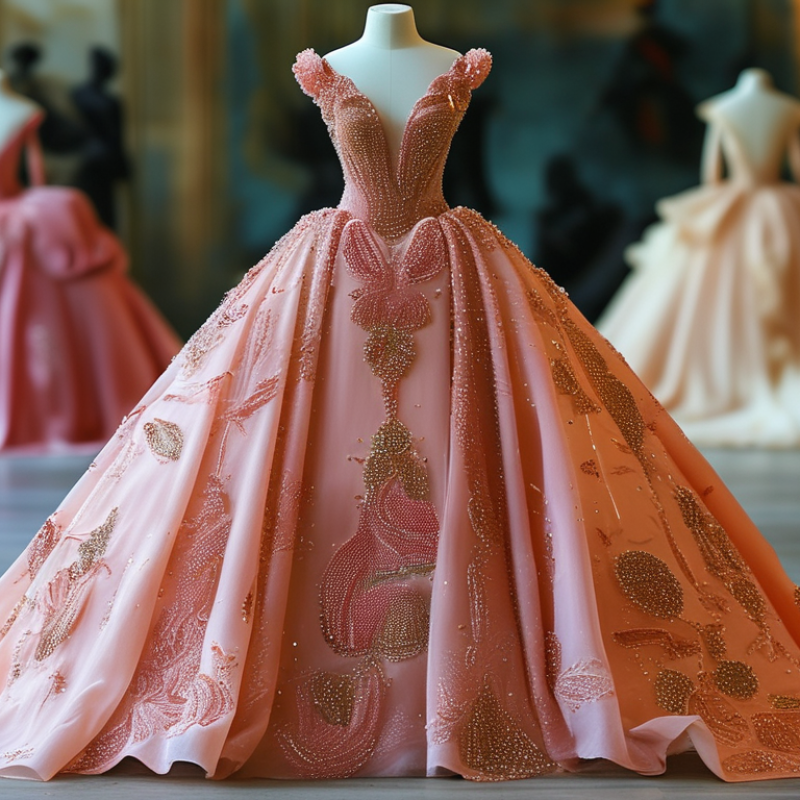
Craftsmanship plays a significant role as well. Skilled artisans dedicate hours to perfect each stitch. This attention to detail ensures a flattering fit and unique design. Sometimes, the intricate beading and embroidery can significantly increase production time. Such embellishments elevate a dress from ordinary to stunning, justifying a higher cost.
The brand's reputation also affects pricing. A well-known designer often commands a premium for their name. Consumers are willing to pay for the prestige associated with certain labels. However, the association with luxury doesn't always guarantee quality. Some lesser-known designers may also produce exquisite dresses at lower prices, making the market quite dynamic.
Quality of Fabrics Used in Evening Dress Design
Evening dresses often carry a high price tag, primarily due to the quality of the fabrics used. High-end designers choose luxurious materials such as silk, satin, and lace. These fabrics not only look stunning but also feel amazing against the skin. The craftsmanship in creating these garments demands extensive skill and knowledge, adding to their value.
One crucial aspect is the fabric’s durability. Cheaper materials may fray or fade quickly. In contrast, premium fabrics maintain their beauty over time. They often undergo various treatments to enhance their qualities. This ensures that your evening dress will stand the test of time, making it a worthwhile investment.
When selecting an evening dress, pay attention to the fabric. Evaluate its texture, weight, and how it drapes. A well-made dress should feel comfortable yet elegant. Remember that the fabric's quality affects both the dress's appearance and your experience wearing it. Opt for dresses that use natural fibers for breathability and comfort. Choose wisely, as the right fabric can elevate your entire look.
Labor and Craftsmanship in Evening Dress Production
Evening dresses often come with a hefty price tag, primarily due to the labor and craftsmanship involved in their production. Skilled artisans take considerable time to create intricate designs, often spending over 100 hours on a single piece. According to a report from the Fashion Institute of Technology, about 85% of the cost of a garment can be attributed to labor. This highlights the importance of both hands-on skill and attention to detail in evening dress creation.
The process begins with sourcing premium materials. Fabric quality can significantly impact the final price. High-end fabrics like silk and satin are not only costly but require specialized handling. Tailoring requires precision; even a minor mistake can ruin an entire dress. This level of craftsmanship ensures longevity and aesthetic appeal. However, the industry faces challenges, such as rising labor costs and the need for sustainable practices, which may further elevate prices in the future.
Despite the value of quality craftsmanship, not all dresses live up to their pricing. Some may seem overpriced for the materials used. It's essential for consumers to consider how much they are willing to pay for artisanal work versus mass-produced alternatives. This ongoing debate raises questions about true worth in fashion. Appreciating the craftsmanship in evening dresses requires a deeper understanding of the work behind the seams.
Brand Reputation and Market Positioning of Evening Dresses
Evening dresses often carry a hefty price tag due to brand reputation and market positioning. Luxury brands invest significantly in crafting their image. High-quality fabrics and intricate designs boost their status. Each piece becomes a symbol of exclusivity. People associate these dresses with elegance and sophistication. This drives consumers to pay a premium for that perceived value.
Market positioning plays a crucial role. High-end brands target affluent customers who seek uniqueness. They create limited collections, enhancing desirability. The allure of “only a few” makes these dresses more coveted. Consumers believe that wearing such dresses reflects status. However, this can lead to a disconnect. Some may feel pressured to conform to these luxury standards. In striving for acceptance, they might overlook personal style.
Additionally, the craftsmanship involved in evening dresses deserves attention. Skilled artisans dedicate hours to creating each piece. The attention to detail is often astounding. However, not all consumers recognize this effort. This gap can create frustration. Are we truly valuing the artistry, or merely the label? As the industry evolves, these factors remain in constant reflection.
Unique Design Elements and Limited Editions in Evening Wear
Evening dresses are known for their high price tags. Unique design elements significantly contribute to this cost. Designers often draw inspiration from various art forms, history, and culture. Each piece often features intricate patterns and details that make it stand out. Hand-sewn embellishments can add time and labor to the creation process. This craftsmanship ensures that each gown is a work of art, not just clothing.
Limited editions also play a crucial role in the pricing of evening wear. When a dress is produced in small quantities, it instantly becomes more desirable. This exclusivity drives up demand and value. Designers may release collections tied to specific themes or events. These gowns can evoke emotions and tell stories, transforming fashion into an expressive art form.
However, the pressure to innovate can lead to unrealistic expectations. Sometimes, the uniqueness can compromise wearability, leaving some dresses more suited for display than actual events. This complexity makes evening wear both alluring and daunting.
FAQS
: Evening dresses are often made from luxurious materials like silk, satin, and lace. These fabrics enhance beauty and comfort.
The price often reflects the quality of fabrics, craftsmanship, and brand reputation. Each detail adds to the overall value.
High-quality fabrics maintain their beauty and comfort over time. Poorer materials may fray or fade quickly, compromising the dress's lifespan.
Evaluate the fabric's texture, weight, and drape. Comfort and elegance are key factors for a satisfactory experience.
Limited editions create a sense of exclusivity. Small quantities increase demand and perceived value among consumers.
Yes, individuals may feel compelled to follow trends. This can overshadow their unique preferences and lead to fashion-related stress.
Skilled artisans dedicate significant time and effort to each gown. The attention to detail often transforms them into wearable art.
While unique features enhance aesthetic appeal, they can sometimes compromise the dress's wearability. Some designs may be better suited for display.
Luxury brands leverage their image to command higher prices. Consumers often pay more for the perceived status associated with the brand.
The demand for innovative designs can create pressure. This sometimes leads to compromises in comfort and functionality in evening wear.
Conclusion
Evening dresses can often come with a hefty price tag, leading many to wonder why are evening dresses so expensive? One significant factor is the quality of fabrics used in their design; luxurious materials like silk, lace, and satin require higher investments. Additionally, labor and craftsmanship play crucial roles, as intricate detailing and tailored fits demand skilled artisans, further driving up costs.
Brand reputation and market positioning also influence the pricing of evening wear. Established brands often command higher prices due to their established quality and prestige. Furthermore, unique design elements and limited edition pieces contribute to exclusivity, appealing to buyers looking for something distinctive. Together, these factors create a landscape where high-end evening dresses reflect not just fashion, but also artistry and value.

 Díaz Fashion