How to Transition a Summer Dress Into a Fall Outfit?

Time:2026-10-22 Author:Sienna
0%

When temperatures shift, a summer dress does not need to disappear into storage. With thoughtful layering, breathable fabrics, and suitable footwear, it can work through early fall. This guide explains how to transition a summer dress into a fall outfit without making the look feel heavy or forced.

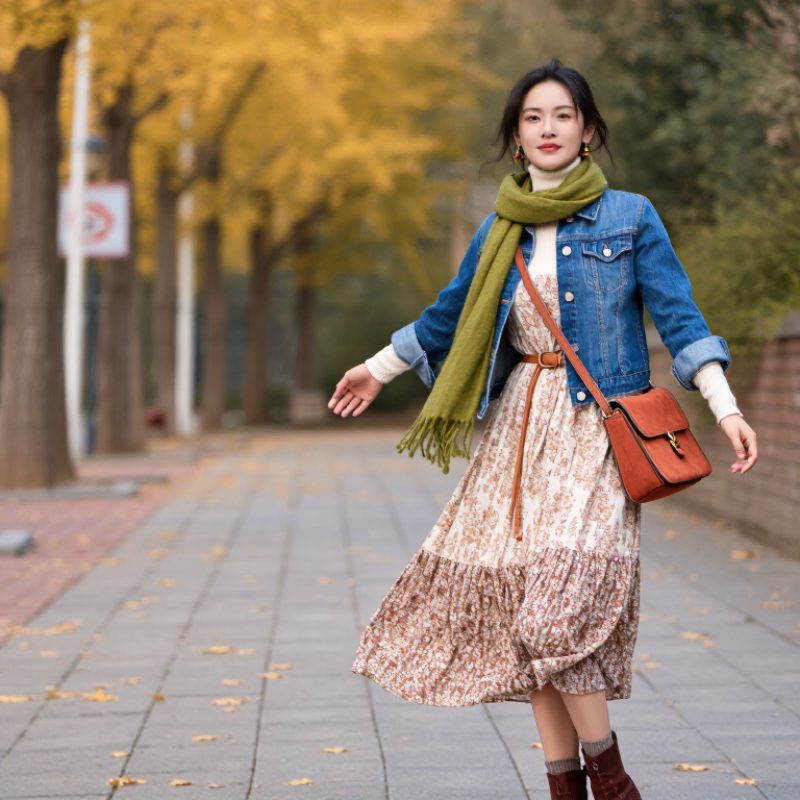
Start with the dress itself. Cotton, linen blends, and lightweight jersey usually layer well under knit cardigans or tailored jackets. A fitted turtleneck beneath a slip dress adds warmth and visual depth. For a floral midi dress, try a cropped denim jacket, ankle boots, and a leather belt. The belt defines the waist while the boots create a stronger seasonal balance. Small changes matter.

Texture makes the transition convincing. Add ribbed socks, a wool-blend scarf, or a suede crossbody bag in autumn shades such as rust, olive, or chocolate brown. Choose layers according to the weather, not only the calendar. A thick sweater can overwhelm a delicate dress on a mild afternoon. I have made that mistake before. The outfit looked practical, but uncomfortable and bulky.

Reliable styling also means checking fit, movement, and fabric care. Walk, sit, and raise your arms before leaving home. Make sure the added layers do not pull at the shoulders or twist the dress. A lightweight trench coat can handle cool mornings, while opaque tights help when evenings become colder. Personal comfort remains the best test. Fashion advice should guide you, not replace your judgment. With a few considered adjustments, one familiar summer piece can support a polished fall wardrobe.
How to Transition a Summer Dress Into a Fall Outfit?

Assess the Dress’s Fabric, Length, and Fall Suitability

Before adding a cardigan, inspect the summer dress itself. Fabric determines whether it can handle cooler weather comfortably. Cotton poplin feels crisp, but thin cotton may lose warmth quickly. Linen blends breathe well, though they can look too light beside heavier fall layers. Satin and rayon drape beautifully, yet they often reveal every bulky seam underneath.

I usually hold the dress against a window first. If sunlight passes through easily, I add a fitted slip or thermal base layer. A knee-length dress works with tights and ankle boots, while a midi length pairs better with taller boots. Very short hems can feel exposed in autumn wind. I once wore a lightweight maxi dress with sandals during a chilly evening, and the outfit looked seasonal but felt completely impractical. That mistake still influences my choices.

Fall suitability also depends on color, structure, and layering space. Earthy shades, darker florals, and subdued patterns usually transition more naturally. However, a bright dress can work when balanced with textured layers. Check the armholes before choosing a sweater. Narrow openings create uncomfortable bunching. A denim or wool overshirt needs enough room across the shoulders. The dress should still move when you sit, walk, and reach. I sometimes prioritize appearance too much, especially with delicate fabrics. Comfort exposes that error quickly.

Add Warm Layers for Comfort and Seasonal Contrast

How to Transition a Summer Dress Into a Fall Outfit?

Add Warm Layers for Comfort and Seasonal Contrast

When the morning feels crisp but the afternoon stays mild, I keep the summer dress as my base. Comfort starts with the first layer. A thin, breathable tee under a strappy dress adds warmth without making the waist feel bulky. Choose cotton, merino, or a smooth thermal knit, depending on the temperature. Natural fibers can manage moisture well, but they are not magic. On damp days, I sometimes regret choosing a dress with a loose weave.

For stronger seasonal contrast, add a cropped cardigan or a softly structured overshirt. Rust, olive, charcoal, and deep brown can make a bright dress feel more grounded. Keep one area light, though. Too many heavy layers may hide the dress’s shape and create visual weight. I prefer a shorter outer layer when the dress is long, because it protects the waistline. This is not a strict rule. Proportion still depends on your height and the dress’s cut.

Legwear changes the outfit quickly. Sheer tights offer light coverage, while opaque tights provide dependable warmth on colder mornings. Ankle boots help block drafts and balance a flowing skirt. Before leaving, I test the outfit by sitting, walking, and lifting my arms. If the sleeves bunch or the neckline shifts, the layers need adjusting. I have learned that a beautiful combination can still fail when movement feels restricted. A soft scarf or thin vest may solve the problem without adding excessive bulk.

Choose Autumn Colors, Textures, and Coordinating Accessories

How to Transition a Summer Dress Into a Fall Outfit?

Choose autumn colors, textures, and coordinating accessories to make a summer dress feel seasonally appropriate. Begin with earthy shades, such as rust, olive, camel, charcoal, or deep plum. A cream cardigan can soften a floral dress without hiding its pattern. For cooler mornings, add a fine-knit turtleneck underneath. Keep the dress visible. That small detail preserves its light, summery character.

Texture creates warmth more effectively than extra layers. Try a ribbed cardigan, brushed scarf, suede-like belt, or opaque tights. Ankle boots add structure, while a compact shoulder bag balances a flowing skirt. Match one accessory with the dress’s strongest color. Too many matching pieces can make the outfit appear staged. The first version may look slightly awkward. Adjust the proportions before buying anything new.

WRAP’s “Valuing Our Clothes” report found that extending a garment’s life by nine months can reduce its carbon, water, and waste footprints by 20–30 percent. That supports reworking familiar pieces instead of treating seasonal dressing as replacement shopping. The Ellen MacArthur Foundation’s “A New Textiles Economy” also reported a 36 percent decline in average garment use compared with 15 years earlier. These figures describe broad industry patterns, not every wardrobe. Still, they encourage practical restraint. Wear the dress with tights today, then remove the cardigan indoors. Small changes often create the most believable autumn outfit.

How to Transition a Summer Dress Into a Fall Outfit

Choose autumn colors, textures, and coordinating accessories.

How to read the chart: Fabric weight is shown in grams per square meter (g/m²), a standard textile measurement. Lightweight summer fabrics can be balanced with heavier autumn layers and accessories.

Keep the dress as the base, then add a knit cardigan, suede or leather footwear, opaque tights, and a structured bag. Warm shades such as rust, olive, camel, mustard, and deep burgundy help create an autumn-focused look.

Pair the Dress With Fall-Appropriate Shoes and Tights

How to Transition a Summer Dress Into a Fall Outfit?

A summer dress can stay useful when the weather becomes cooler. The easiest change is choosing fall-appropriate shoes and tights. I usually begin with opaque tights in black, brown, or deep gray. They add warmth without hiding the dress’s shape. Ankle boots create a grounded look, while loafers feel lighter for mild afternoons. Choose leather or suede textures for a seasonal effect.

I once wore thin ballet flats with a floral dress in October. My feet were cold, and the outfit looked unfinished. That small mistake changed how I plan transitional outfits.

Tips: Match the tights to your shoes for a longer-looking leg line. Try ribbed tights when the dress has a simple fabric. Avoid very thick tights with delicate dresses, because the contrast can look heavy. Check the temperature before leaving. Comfort matters more than a perfect photograph.

For a short dress, knee-high boots offer coverage and balance. For a midi dress, ankle boots leave a small gap that feels relaxed. White or colorful summer dresses may work better with warm brown tights than harsh black ones.

Add textured socks only when they remain partly visible and intentional. I prefer testing the outfit indoors, then walking around for a few minutes. Sometimes the boots rub, or the tights pull at the waist.

Those details are easy to ignore until you are outside. A practical outfit should look considered and feel wearable.

Adjust the Outfit for Different Weather and Everyday Settings

How to Transition a Summer Dress Into a Fall Outfit

A summer dress can work in fall when you adjust the layers, not just the color. Start with a fitted long-sleeve top underneath. Cotton or fine wool adds warmth without creating bulky folds. On mild afternoons, wear the dress with ankle boots and a lightweight jacket. Choose breathable layers if temperatures rise during the day. I often carry a thin scarf because mornings can feel surprisingly cold.

For rainy weather, add a water-resistant outer layer and shoes with textured soles. Keep the dress hem above wet pavement when possible. On windy days, a belt can hold loose fabric in place. For office settings, use a structured cardigan and simple tights. For errands, try a relaxed sweater over the dress, letting the skirt show below. This styling is practical, though the proportions may look slightly awkward at first.

Tips: Check the forecast before dressing, especially when temperatures change quickly. Wear removable layers for commuting, cafés, or heated rooms. Test your shoes indoors before a long walk. Darker tights can make a thin summer fabric feel more seasonal, but they cannot replace real insulation. I sometimes over-layer and regret it by noon. Leave one piece easy to remove. Texture matters too: a soft scarf, ribbed socks, or a brushed jacket can make the outfit feel intentional without looking heavy.

FAQS

How can a summer dress become suitable for fall?

Add opaque tights, seasonal shoes, and removable layers. Ankle boots create a grounded shape. The dress remains visible.

Which tights work best with a summer dress?

Choose black, brown, or deep gray tights. Match them with your shoes for a longer-looking leg line. Warm brown can soften a bright dress.

Can short and midi dresses use different shoes?

Yes. Knee-high boots provide coverage for short dresses. Ankle boots suit midi dresses and leave a small, relaxed gap.

What should I wear underneath a summer dress?

Try a fitted long-sleeve cotton or fine-wool top. It adds warmth without bulky folds. Check the sleeves for visible bunching.

How should I dress for rainy or windy fall weather?

Wear a water-resistant outer layer and shoes with textured soles. Keep the hem above wet pavement. A belt can control loose fabric on windy days.

How can I style the dress for an office?

Add a structured cardigan and simple tights. Choose neat shoes with comfortable soles. The outfit should look polished without feeling stiff.

What layers work for commuting and changing temperatures?

Use removable layers for trains, cafés, and heated rooms. Carry a thin scarf for cold mornings. Leave one piece easy to remove.

How can I avoid discomfort during a full day outside?

Test the outfit indoors and walk around for several minutes. Check for rubbing boots and tights pulling at the waist. Comfort comes first. I sometimes over-layer and regret it by noon.

Conclusion

Learning how to transition a summer dress into a fall outfit starts with evaluating the dress’s fabric, length, and overall suitability for cooler weather. Lightweight cotton, linen, and flowing silhouettes can work well when balanced with warmer layers. Add a fitted sweater, denim jacket, cardigan, or tailored coat to create comfort and seasonal contrast without hiding the dress completely. Autumn-inspired shades such as rust, olive, cream, brown, and burgundy can make the outfit feel more appropriate for the season, while textured accessories like scarves, belts, and knitted bags add depth.

Complete the look with fall-friendly footwear, including ankle boots, loafers, or closed-toe shoes, and consider opaque tights when temperatures drop. The outfit can be adjusted for changing weather by adding removable layers, a water-resistant outer piece, or a cozy scarf. For everyday settings, keep the styling practical and relaxed; for work or casual gatherings, choose more structured layers and refined accessories.

Sienna

Sienna

Sienna is a skilled marketing professional with a deep expertise in our company’s core products and services. With a passion for innovation and detail, she plays a pivotal role in crafting insightful blog posts that not only highlight the unique features of our offerings but also provide valuable......