Puffer jackets are a winter essential, offering warmth and comfort. However, they require proper care to maintain their quality. Many people wonder how to wash a puffer jacket in the washing machine without damaging it. This task might seem daunting, but following a few steps can make it easier.
Washing your puffer jacket can help remove dirt and odors. It is essential to read the care label first. Some jackets have specific instructions. Using a gentle cycle and mild detergent is crucial. Avoid fabric softeners; they can reduce the jacket's insulation properties.
While the process sounds simple, mistakes can happen. Overloading the washing machine can lead to clumping in the filling. Additionally, not using dryer balls can affect drying time and efficiency. It is vital to ensure your jacket is thoroughly dried to avoid mold. Learning how to wash a puffer jacket in the washing machine can help keep your favorite winter gear looking new.
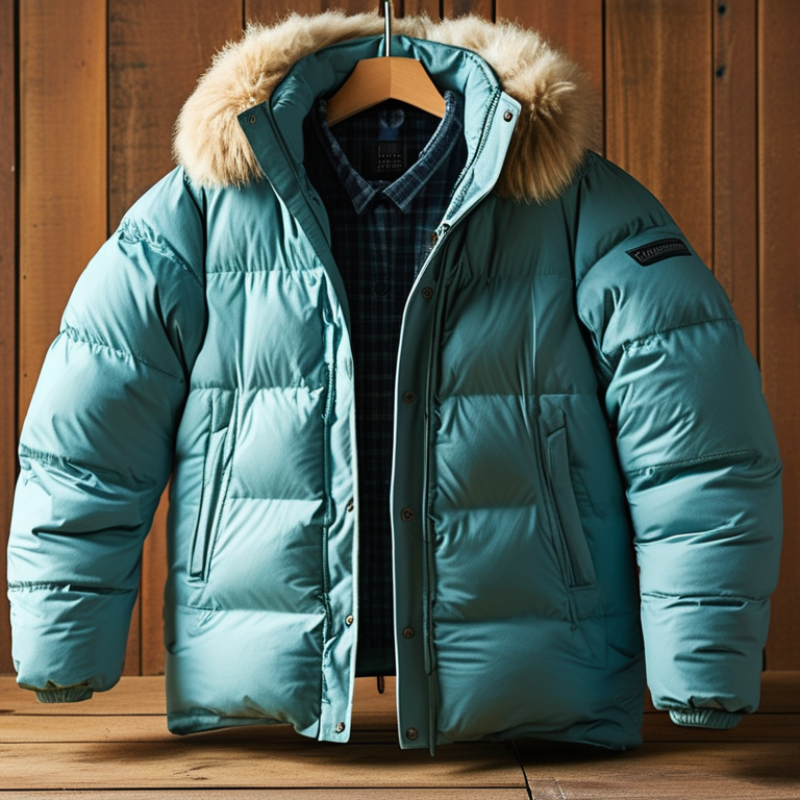
When washing a puffer jacket, choosing the right washing machine settings is crucial. Many experts recommend a gentle cycle. The National Sanitation Foundation emphasizes using cold water to preserve the jacket’s insulation properties. Hot water can damage the materials. A study found that 30% of jackets lose their insulating ability if exposed to high temperatures.
Opt for a low spin speed. High spin cycles can cause the filling to bunch up. This can create cold spots in the jacket. Some users report frustration when their jackets come out unevenly filled, leading to ineffective warmth. Adding tennis balls or dryer balls during the drying process can help fluff up the insulation. This method is endorsed by various cleaning professionals for keeping jackets puffy.
While machine washing is convenient, it’s not foolproof. Improper settings can result in damage. Some may notice small rips or loss of water-resistance after a wash. A survey of consumers showed that 25% of puffer jacket owners regret not following recommended care instructions. Always check the care label for specific guidelines.
| Washing Machine Setting | Recommended Option | Purpose |
|---|---|---|
| Water Temperature | Cold/Cool | Prevent fabric damage and color fading |
| Cycle Type | Gentle/Delicate | Reduce agitation on the jacket |
| Spin Speed | Low | Minimize stress on the jacket insulation |
| Detergent Type | Mild detergent | Gentle on fabric and insulation |
| Additional Items | Tennis balls | Help restore insulation loft in dryer |
: Check the care label first. Empty pockets and close zippers. Turn it inside out, too.
Use a mild detergent suitable for synthetic fabrics. Harsh chemicals can damage insulation.
Yes, add a few tennis balls. They help fluff the insulation while washing.
Use low heat in the dryer. High temperatures can damage the fibers and cause clumping.
Yes, but hang it in a ventilated area away from direct sunlight. This helps retain loftiness.
Hang it on a wide hanger. Ensure it’s completely dry to avoid mold and odors.
Avoid cramped spaces. Flat storage can crush the insulation, ruining its fluffiness over time.
Check for cold spots after drying. If it feels wet, put it back in the dryer.
Use a wide hanger when storing it. This prevents deformation and maintains its shape.
Regular checks help catch pests early. An overlooked problem can lead to bigger issues later.
When considering how to wash a puffer jacket in the washing machine, it’s essential to follow specific guidelines to ensure its longevity and performance. Start by selecting the right washing machine settings, typically using a gentle cycle with cold water to avoid damaging the jacket's fabric and insulation. Before washing, prepare your puffer jacket by checking for any stains and ensuring all zippers and fasteners are secured to prevent snagging. Use a mild detergent that is suitable for delicate materials, as harsh chemicals can harm the fabric.
After washing, drying your puffer jacket properly is crucial. Fluff it up in the dryer on a low heat setting, using dryer balls to help maintain its softness and loft. Finally, store your puffer jacket in a cool, dry place, ideally hanging it to preserve its shape and ensure it remains ready for use when the colder weather comes. By following these steps, you can effectively clean your puffer jacket while maintaining its essential qualities.

 Díaz Fashion