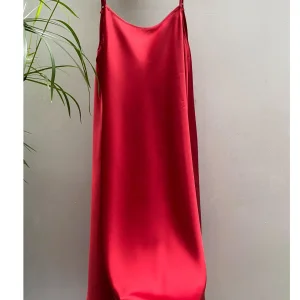
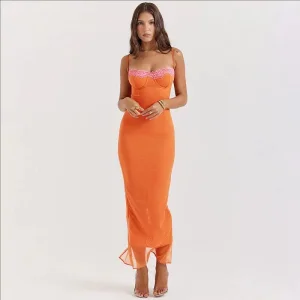
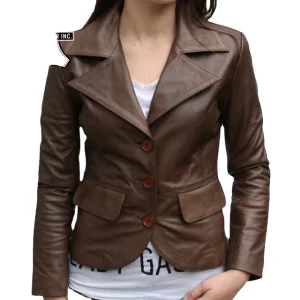
In the modern global apparel market, the demand for Ladies' Maternity Dresses has transcended basic functionality. Today, success in this niche requires a sophisticated blend of biometric design, certified material safety, and agile supply chain management. As a leading CE Certified Ladies' Maternity Dress Factory, Langfang Díaz Fashion Co., Ltd. is at the forefront of this industrial shift, providing high-increment value to global wholesalers and retail brands.
Our production lines strictly adhere to European safety standards. For maternity wear, this means ensuring zero hazardous chemical residues (AZO-free), lead-free accessories, and mechanical safety of fasteners to protect both mother and infant.
We provide localized sizing charts optimized for North American (US/Canada), European (EU/UK), and Asian markets. Our technical team understands the anatomical changes during the three trimesters across different demographics.
We prioritize OEKO-TEX Standard 100 certified fabrics. Our maternity dresses utilize high-recovery spandex blends and breathable natural fibers like bamboo, modal, and organic cotton to ensure thermal regulation and skin sensitivity care.
Located in Langfang, Hebei, we sit in the heart of China's textile corridor. This proximity to the Port of Tianjin and Beijing Capital International Airport ensures logistical efficiency and reduced transit times for global B2B shipments.
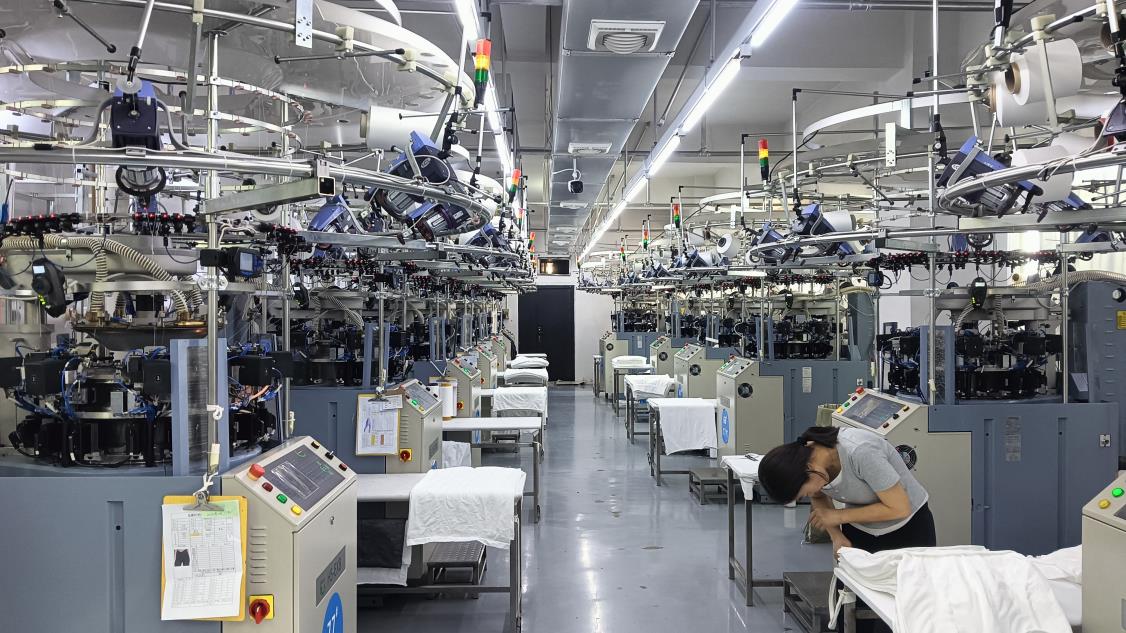
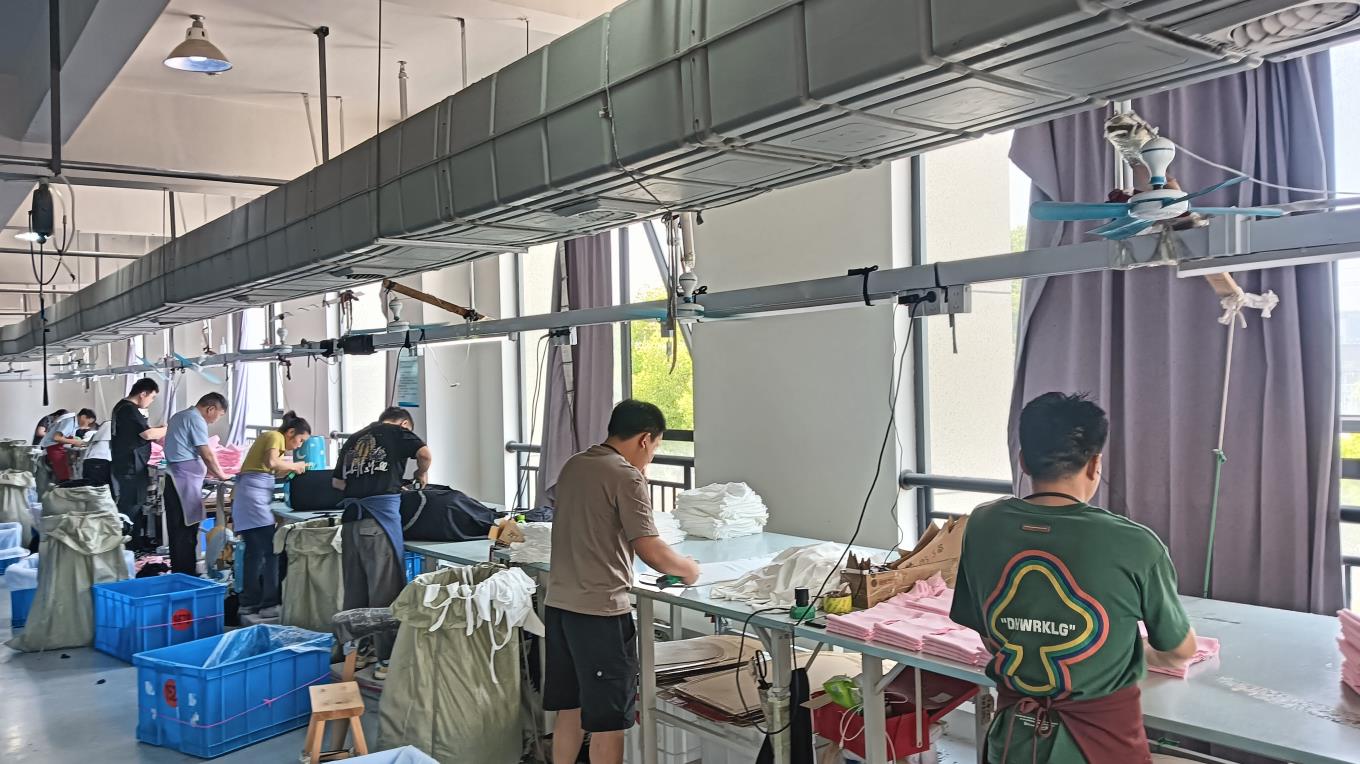
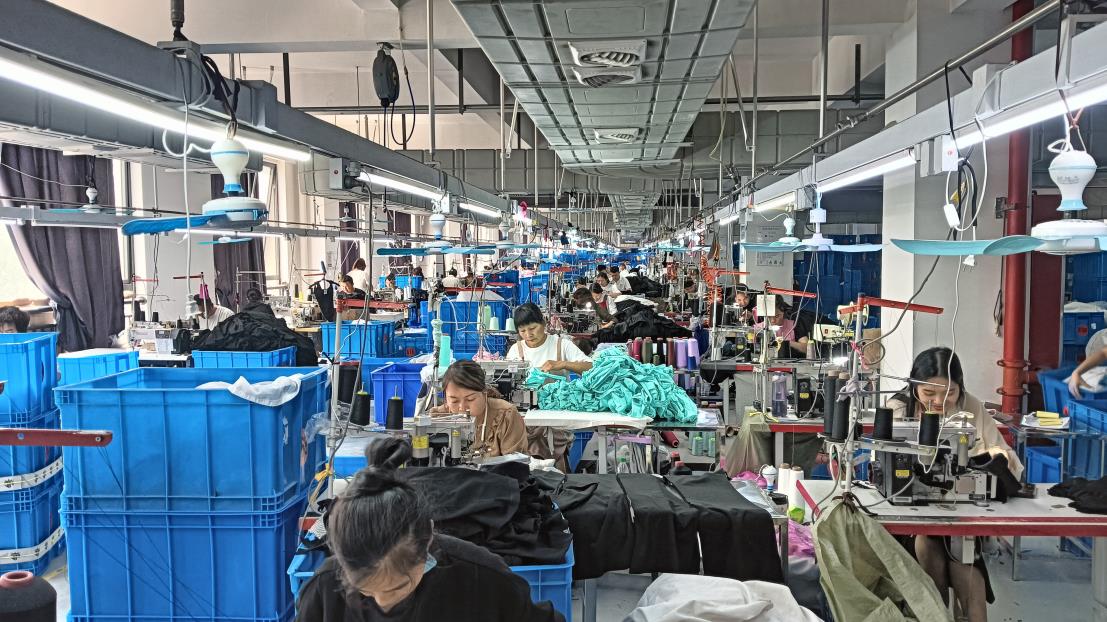
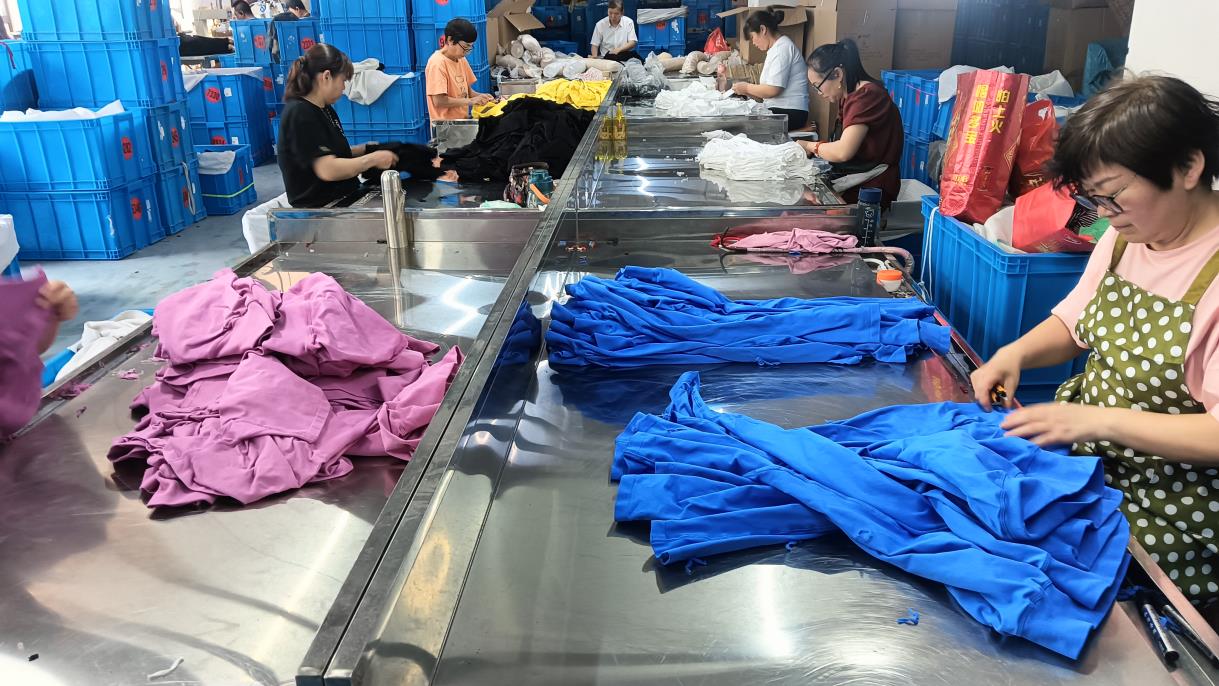
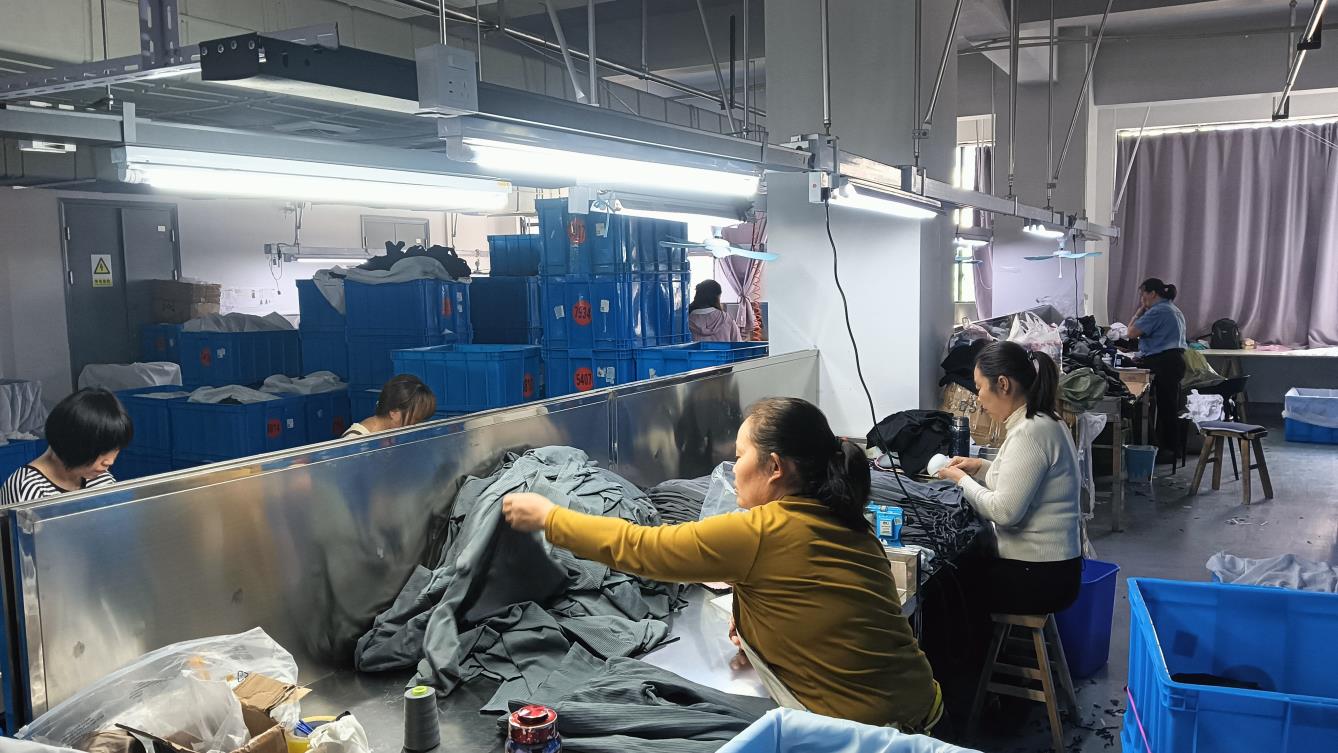
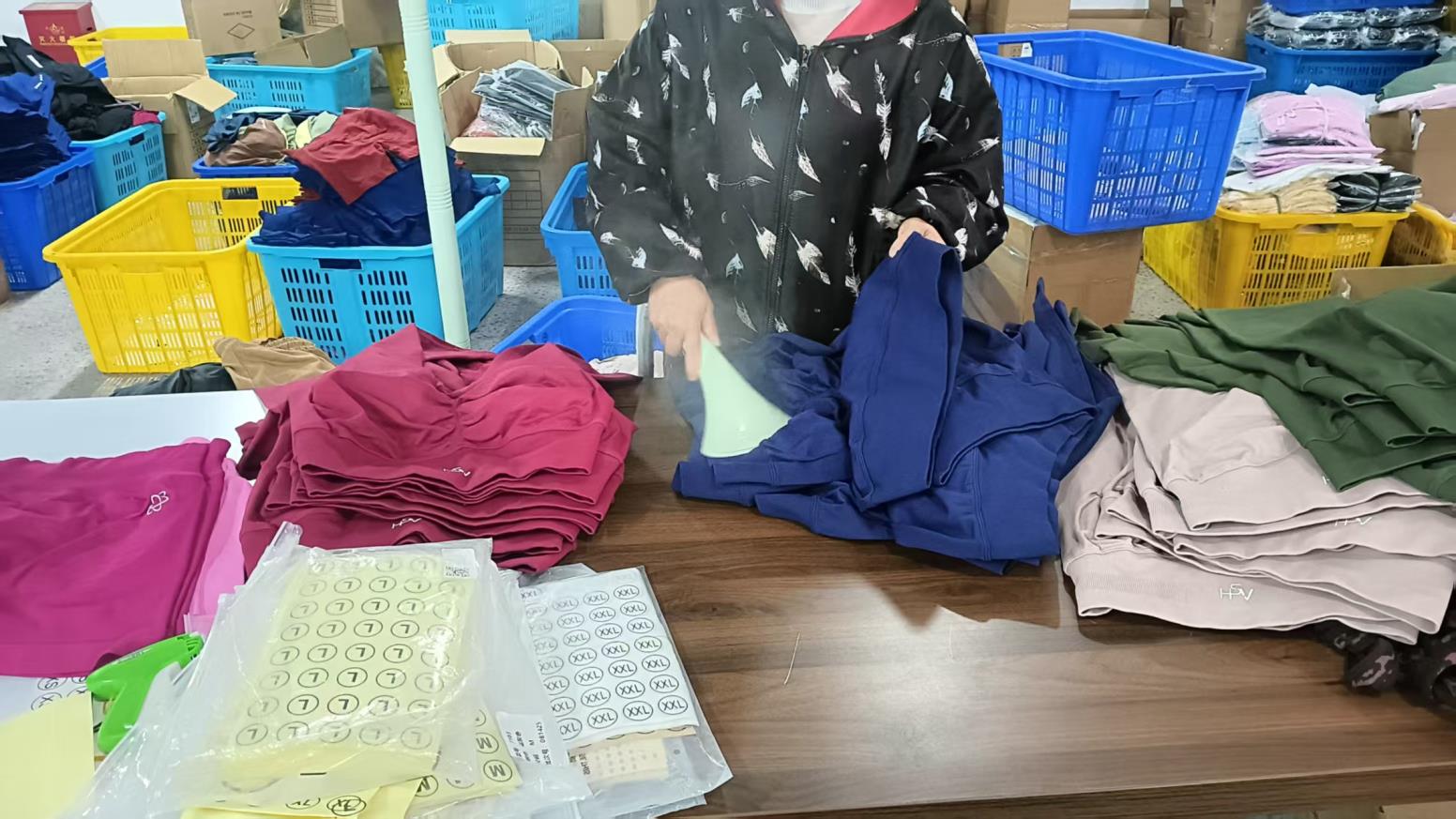
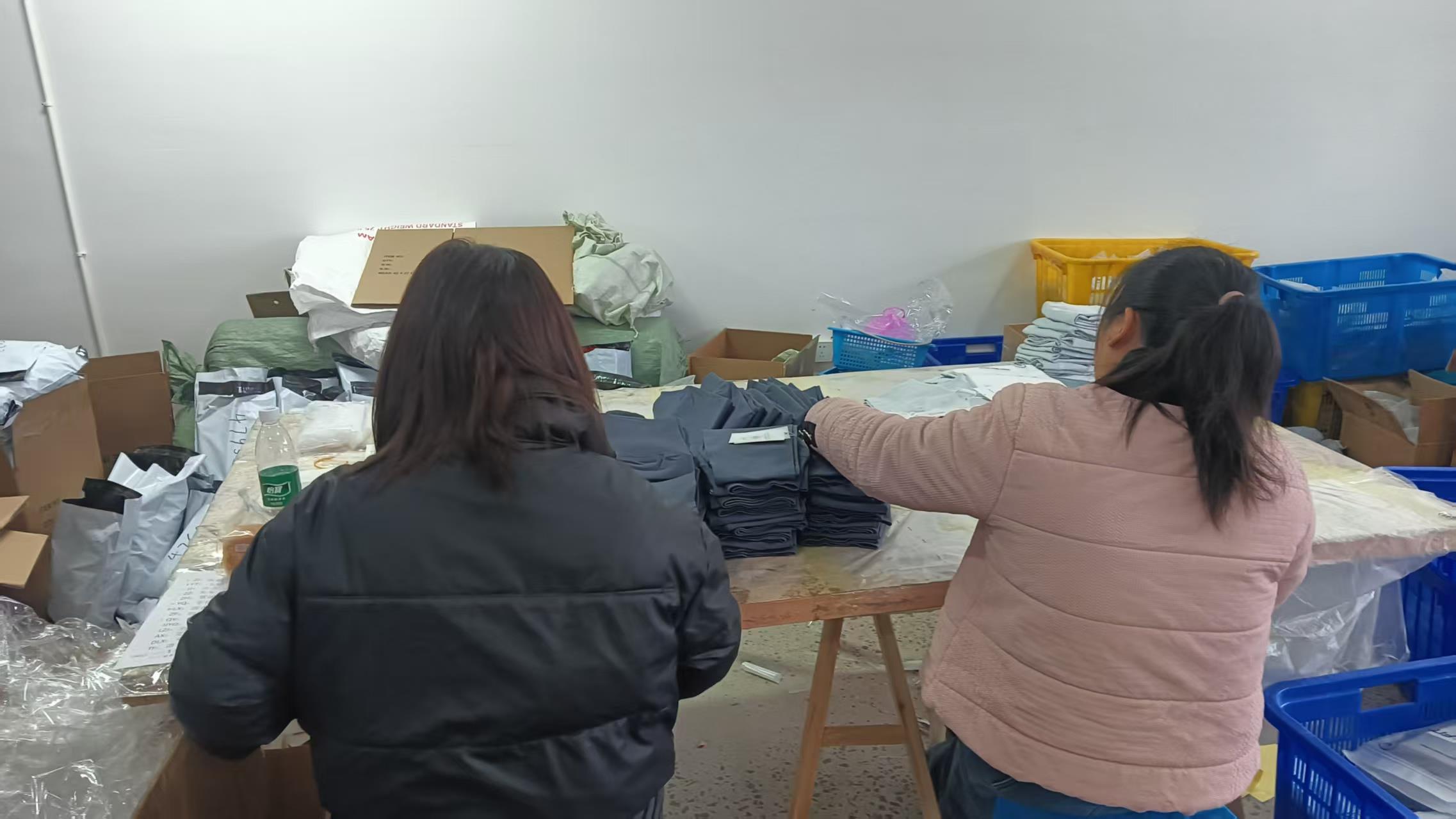
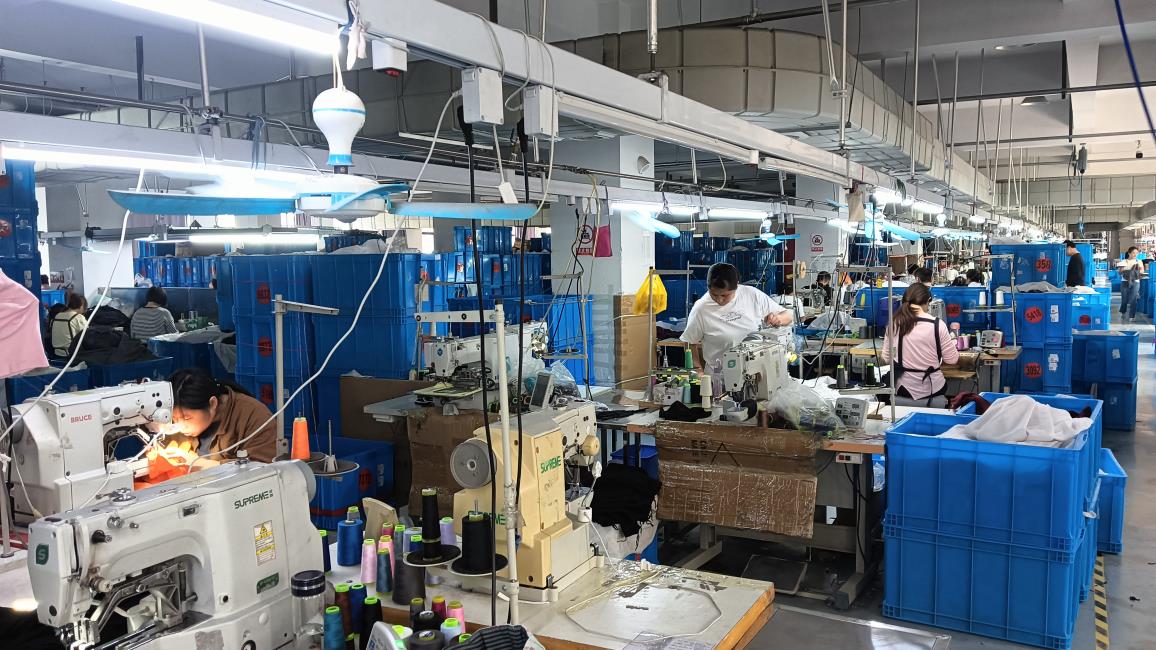
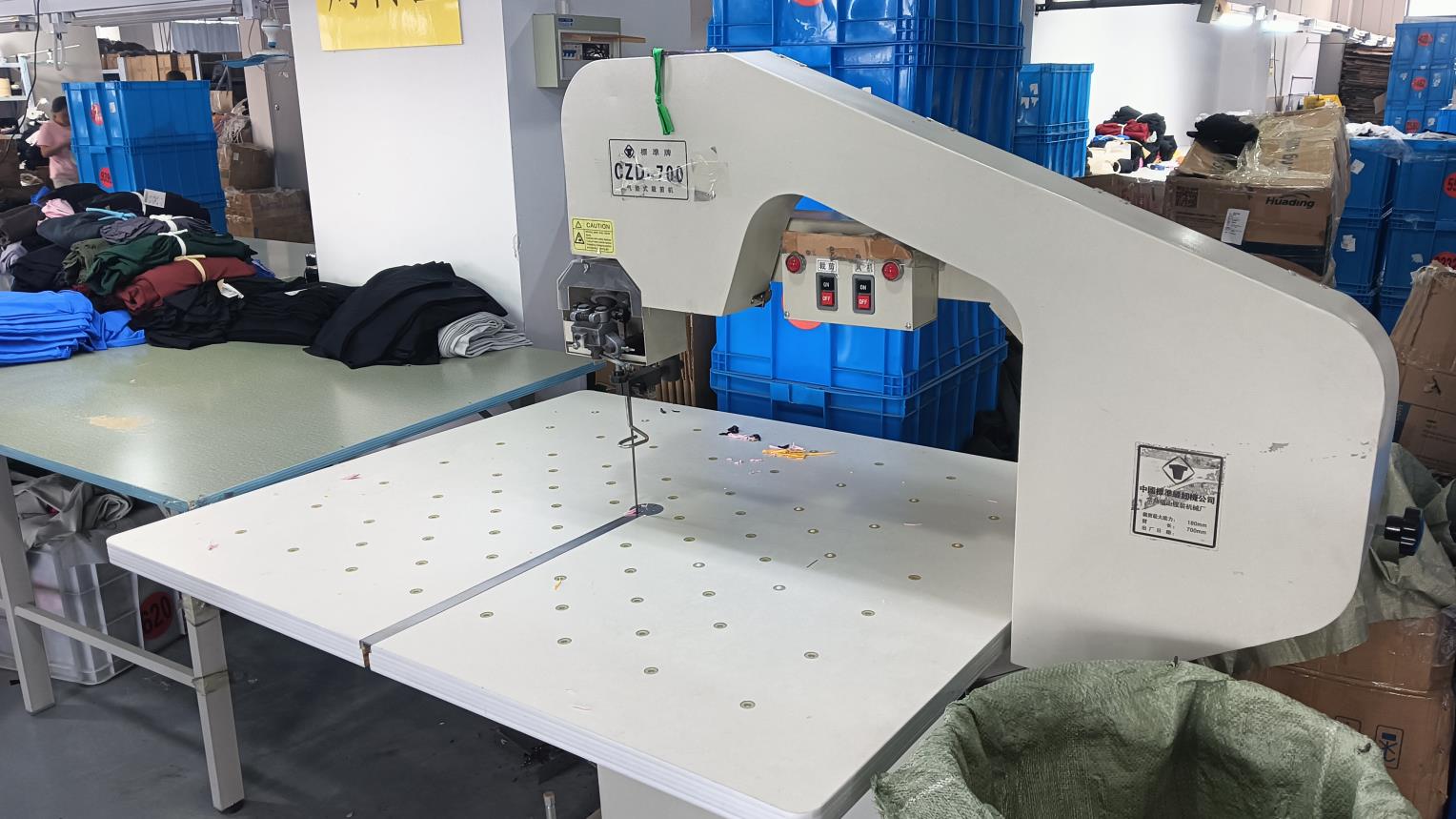
From initial fashion design and R&D to final automated cutting and sewing, our factory integrates the entire value chain. This eliminates middleman costs and allows for strict quality control at every needle point.
We balance large-scale OEM orders with the flexibility required for ODM "capsule" collections. Our 1 million yuan registered capital and robust infrastructure support high-volume production without compromising on artisanal craftsmanship.
Langfang Díaz Fashion Co., Ltd. was established in May 2017 and is located in Langfang City, Hebei Province, China. The company is a professional garment enterprise integrating brand management, fashion design, research and development, production, and international trade.
Guided by the corporate vision of “creating a fashionable and comfortable quality lifestyle for customers,” we emphasize design concepts centered on natural aesthetics, practicality, and fit. Our core values—diligence, innovation, humility, and gratitude—drive us to build a win-win development ecosystem with our global partners.
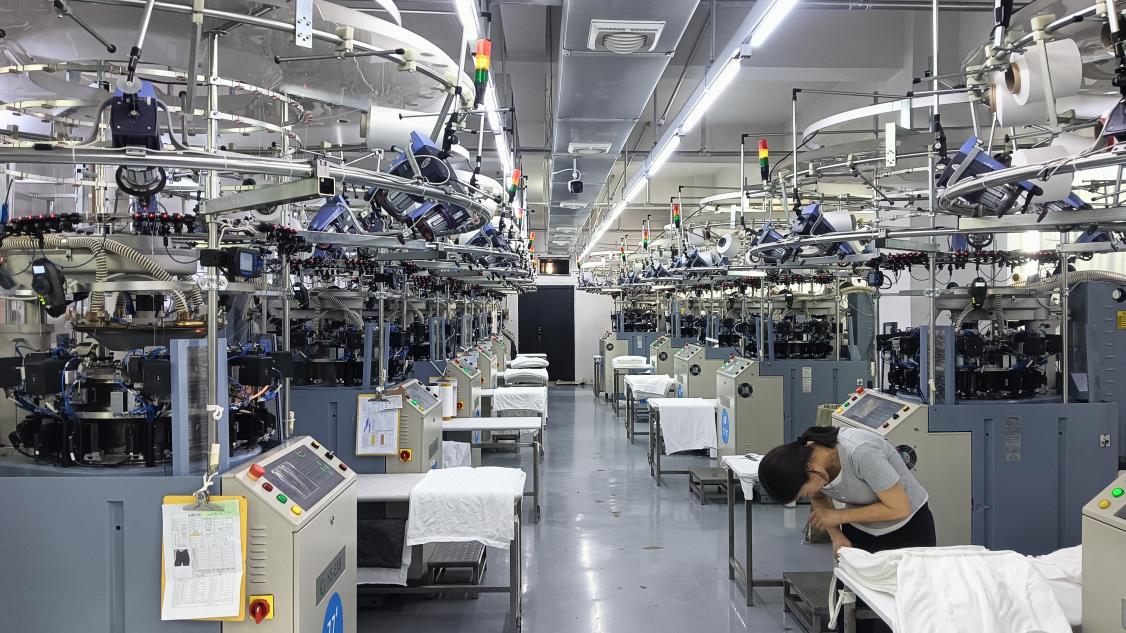
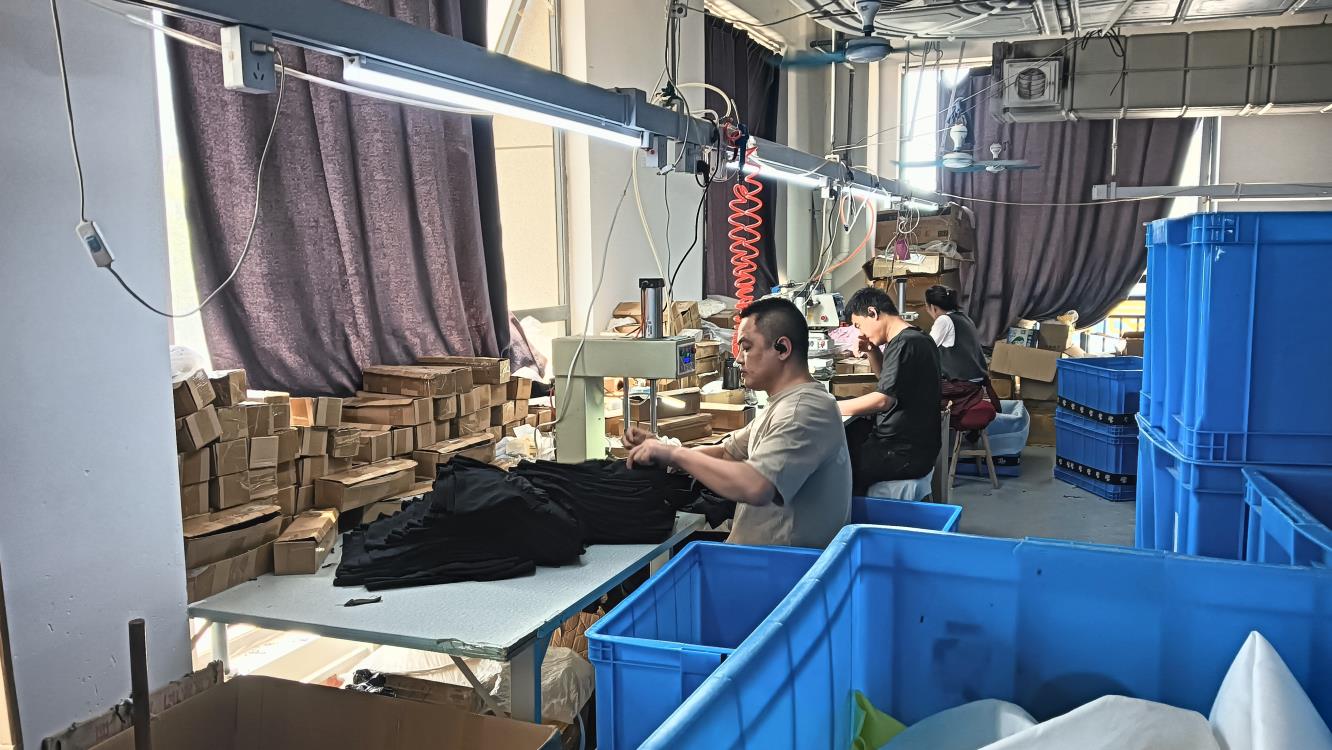
Post-pandemic consumers demand "slow fashion." We are developing maternity dresses that transition into nursing wear or standard fashion, extending the garment's lifecycle and offering higher ROI for end-users.
Integrating antimicrobial treatments and moisture-wicking technology is becoming standard. Our R&D team is exploring fabrics that adapt to body temperature fluctuations during pregnancy.
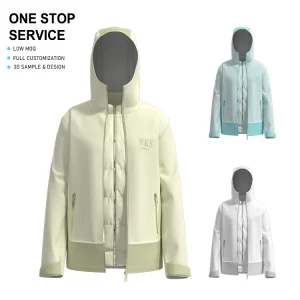
B2B procurement is moving toward 3D sampling. Diaz Fashion offers rapid prototyping services that allow global buyers to visualize drape and fit before the first physical sample is even sewn.
A: CE certification in the textile industry ensures the product meets EU health, safety, and environmental protection requirements. For maternity wear, this specifically covers chemical safety of dyes, the absence of sharp components, and the physical durability of the garment under stress.
A: We utilize advanced CAD/CAM systems for pattern making. By inputting specific regional anthropometric data (such as US vs. EU standard measurements), we can adjust the "belly-bump" allowance and shoulder width to match local consumer expectations precisely.
A: For standard OEM orders, our production lead time is typically 30-45 days following sample approval. Our location in Langfang allows for rapid delivery to major ports, adding another 1-2 weeks for sea freight to most global destinations.
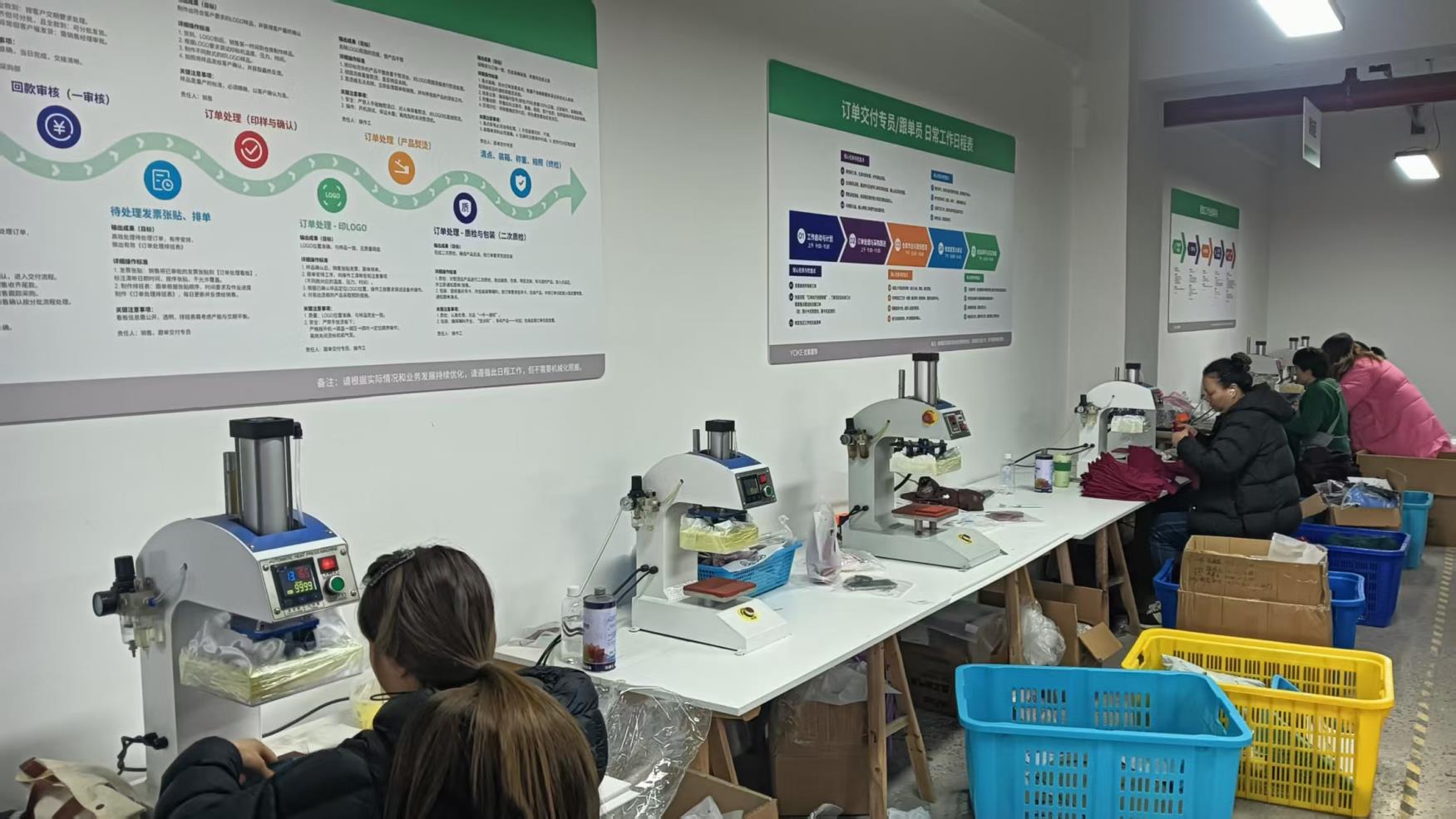
A: Yes. We offer full ODM services, including custom labels, hangtags, and eco-friendly packaging solutions. Our digital hot stamping and embroidery machines can replicate complex brand logos with high precision.
A: Every batch of fabric undergoes a shrinkage and color-fastness test. During production, we have a 4-point inspection system: In-line inspection, End-of-line inspection, Final checking, and Random audit before packaging.
 Díaz Fashion