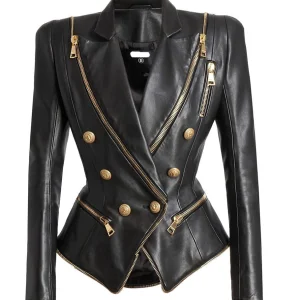
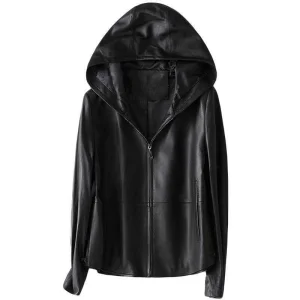
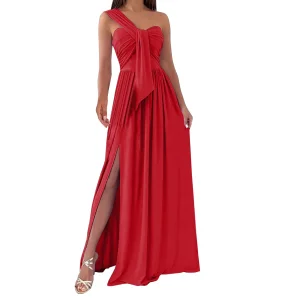
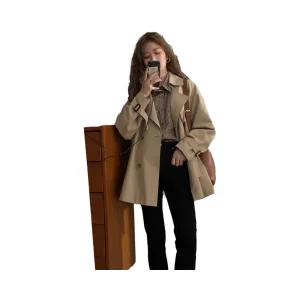
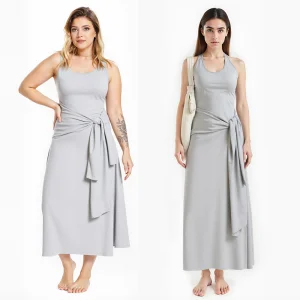
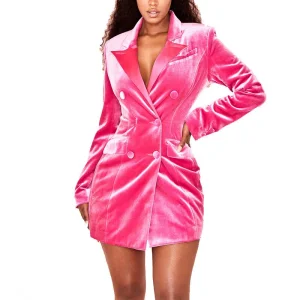
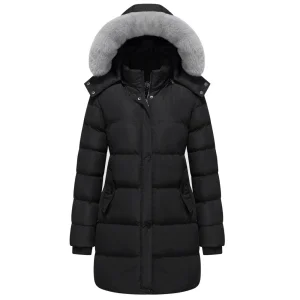
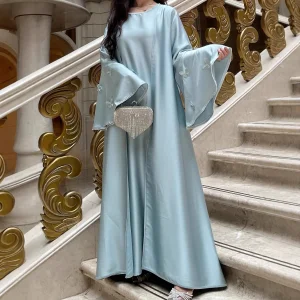
In the evolving landscape of 2025 global fashion, the asymmetrical dress has transcended its origins as a niche "avant-garde" garment to become a staple of "Quiet Luxury" and "Architectural Minimalist" trends. As a leading China Wholesale Ladies' Asymmetrical Dress Manufacturer, Langfang Díaz Fashion Co., Ltd. analyzes the shift from standard symmetrical patterns to complex, geometry-driven designs that offer Information Gain in style and silhouette.
The demand for asymmetrical dresses is driven by the user intent of "uniqueness" and "body-contouring versatility." Traditional wholesale models often fail to capture the nuances of high-low hems, single-shoulder drapes, and diagonal seaming. Our approach integrates 3D pattern-making technology with traditional Hebei craftsmanship to ensure that every "imperfect" cut provides a "perfect" fit. This white paper explores the technical roadmap, supply chain resilience, and localized application of these garments.
Established in May 2017, located in Langfang City, Hebei Province, China. Positioned within the Jing-Jin-Ji economic circle, we leverage the world's most robust textile logistics network.
Guided by "creating a fashionable and comfortable quality lifestyle," we focus on natural aesthetics, practicality, and precision fit for international markets.
Upholding diligence, innovation, humility, and gratitude. We operate under a "co-creation, sharing, and win-win" philosophy for global brand partners.
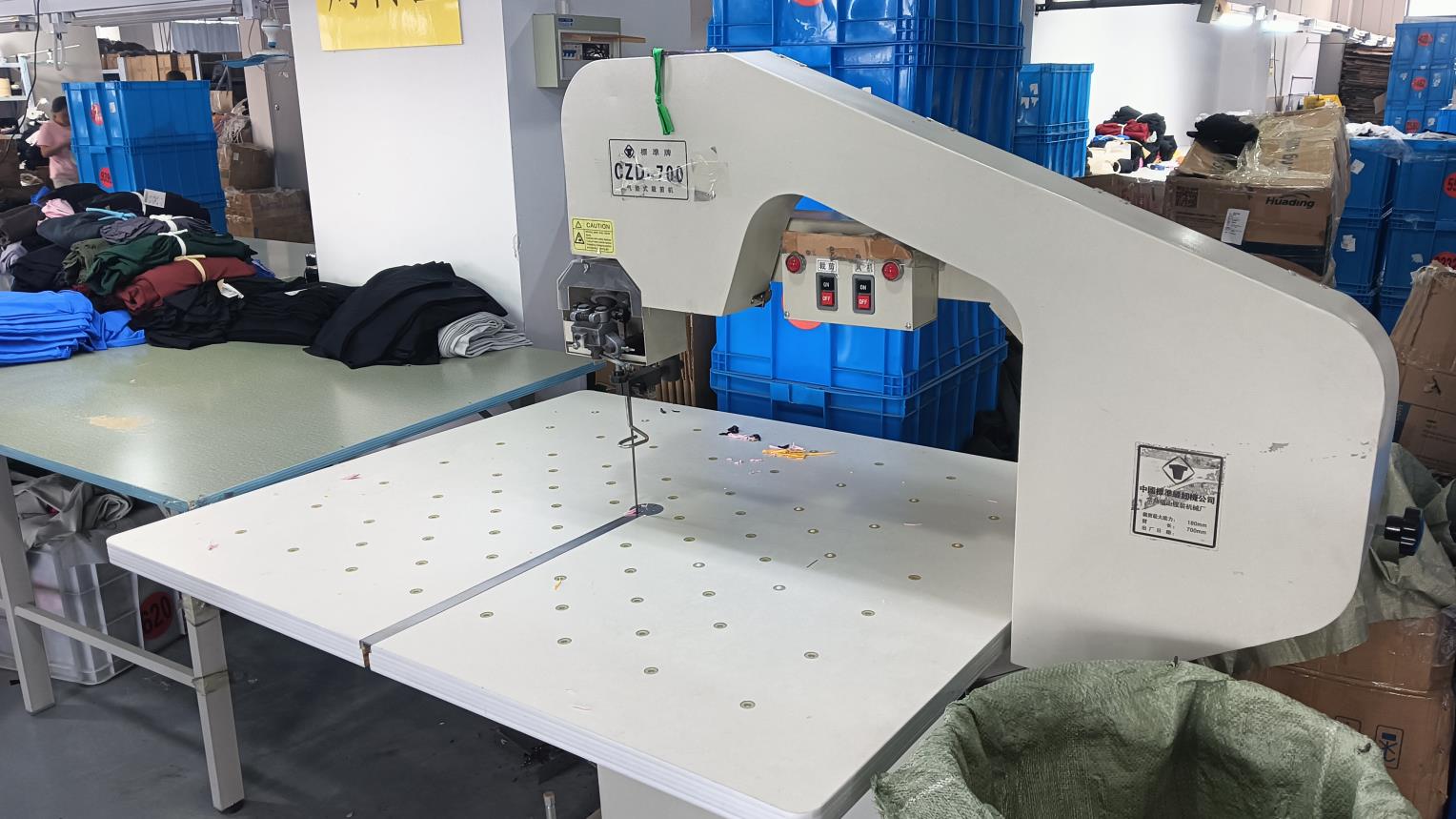
Asymmetrical designs require non-mirrored pattern pieces, doubling the complexity of fabric nesting. We utilize advanced AI nesting software to reduce fabric waste by 15%.
Developing memory-retention fabrics that maintain the "drape" of an asymmetrical hemline even after multiple washes—crucial for high-end boutique retail.
While machines cut, the final bias-bound edges of our asymmetrical dresses are often hand-finished to prevent the "warping" common in low-quality mass production.
Utilizing eco-friendly fibers (Modal, Recycled Polyester) to meet the 2026 EU Green Deal garment standards.
Visual recognition systems detect stitch deviations in non-linear seams, ensuring structural integrity in complex designs.
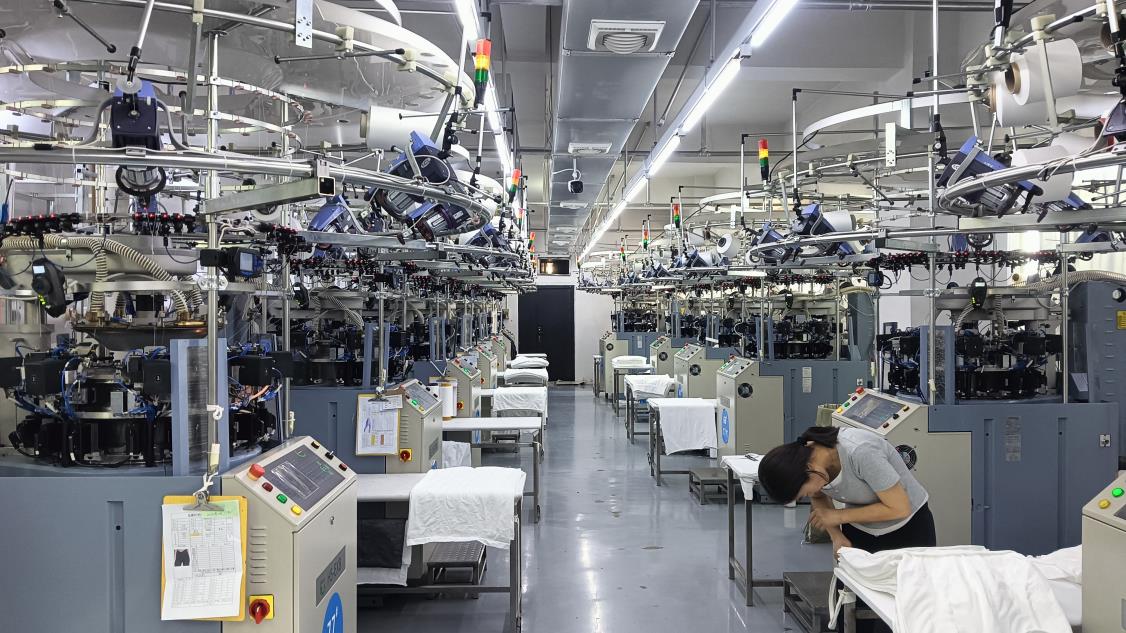
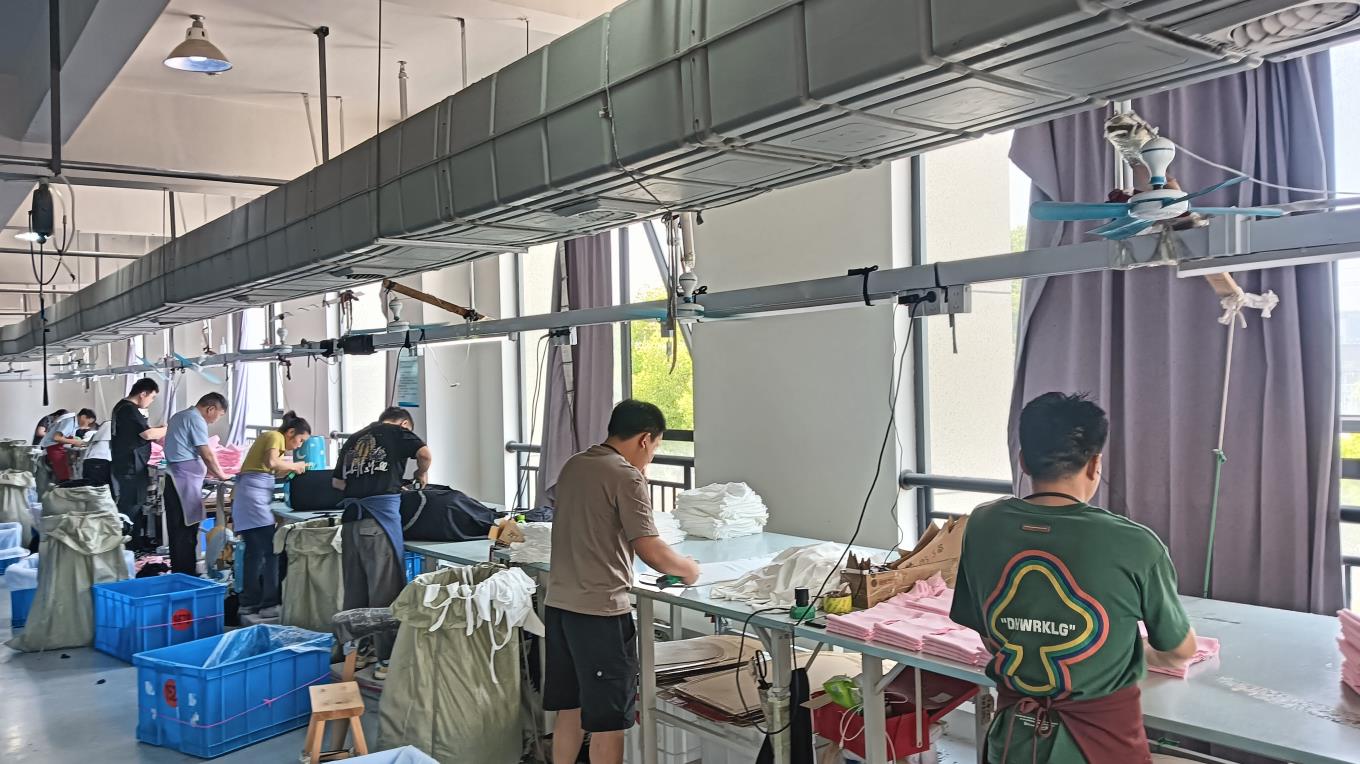
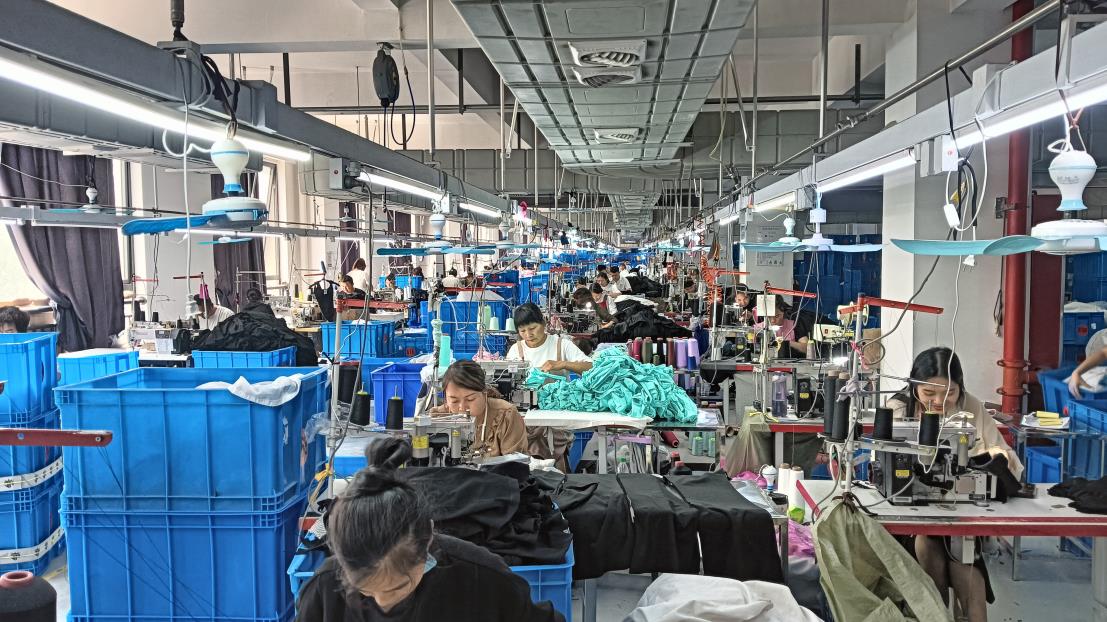
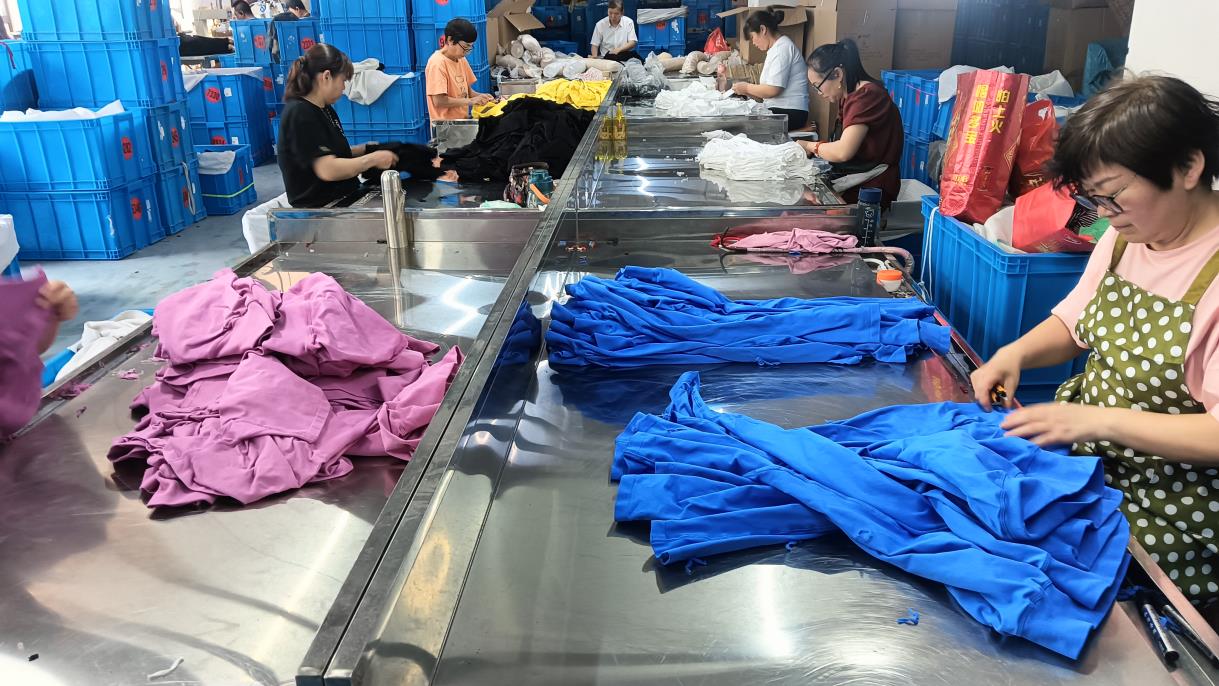
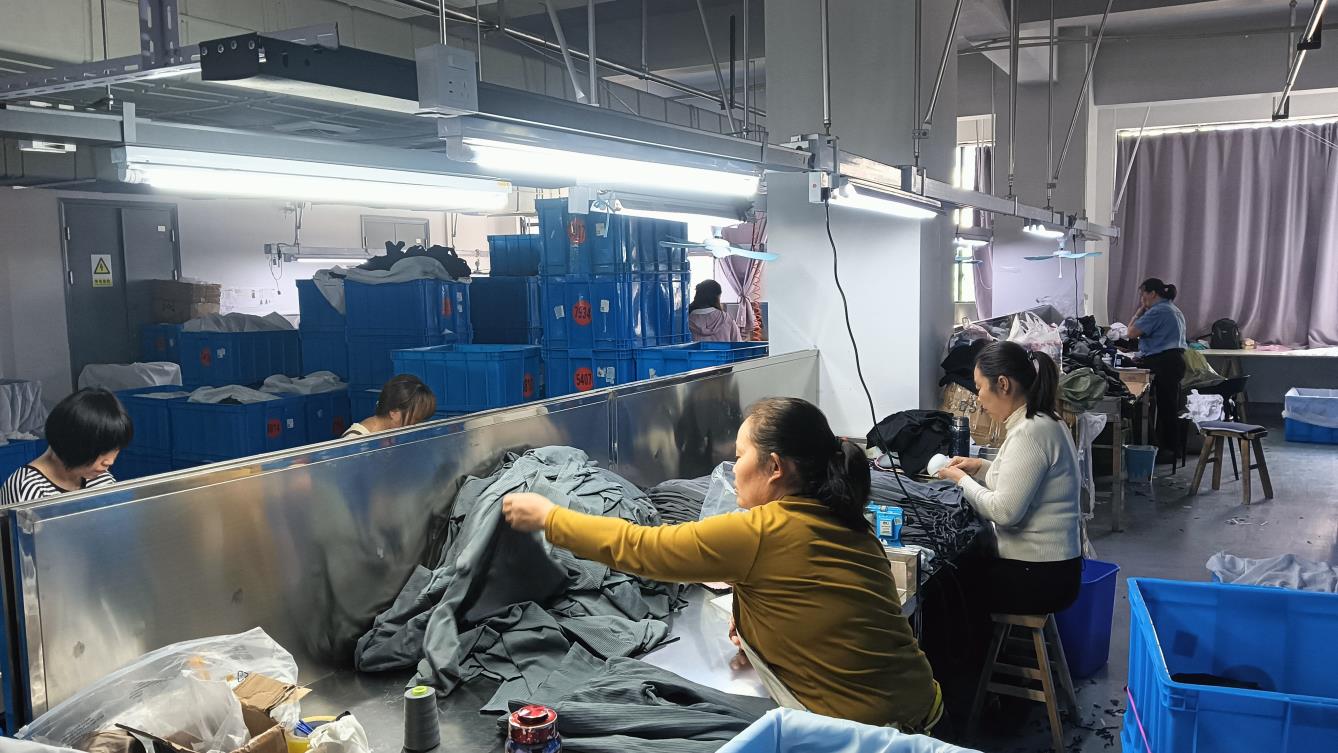
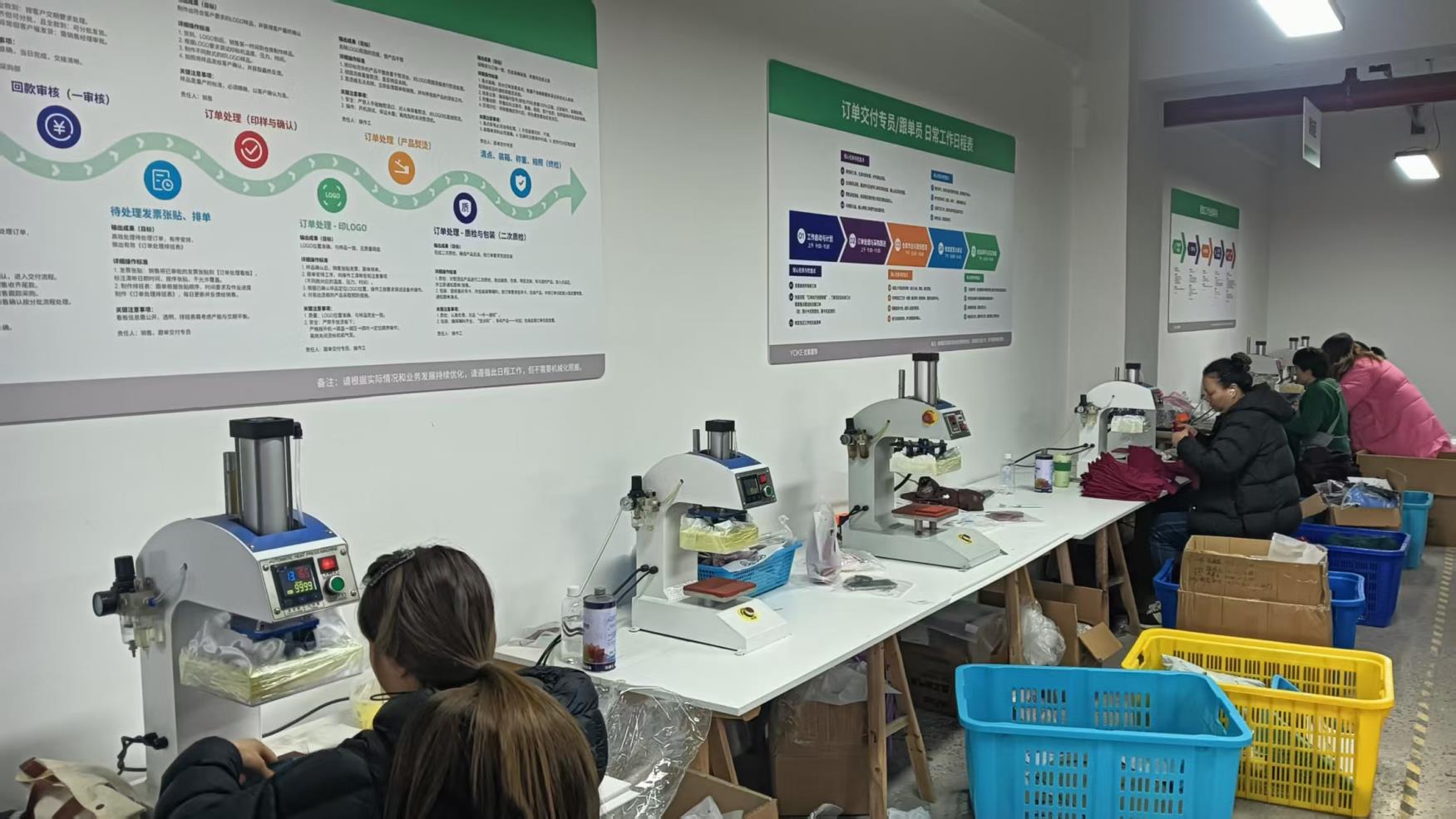
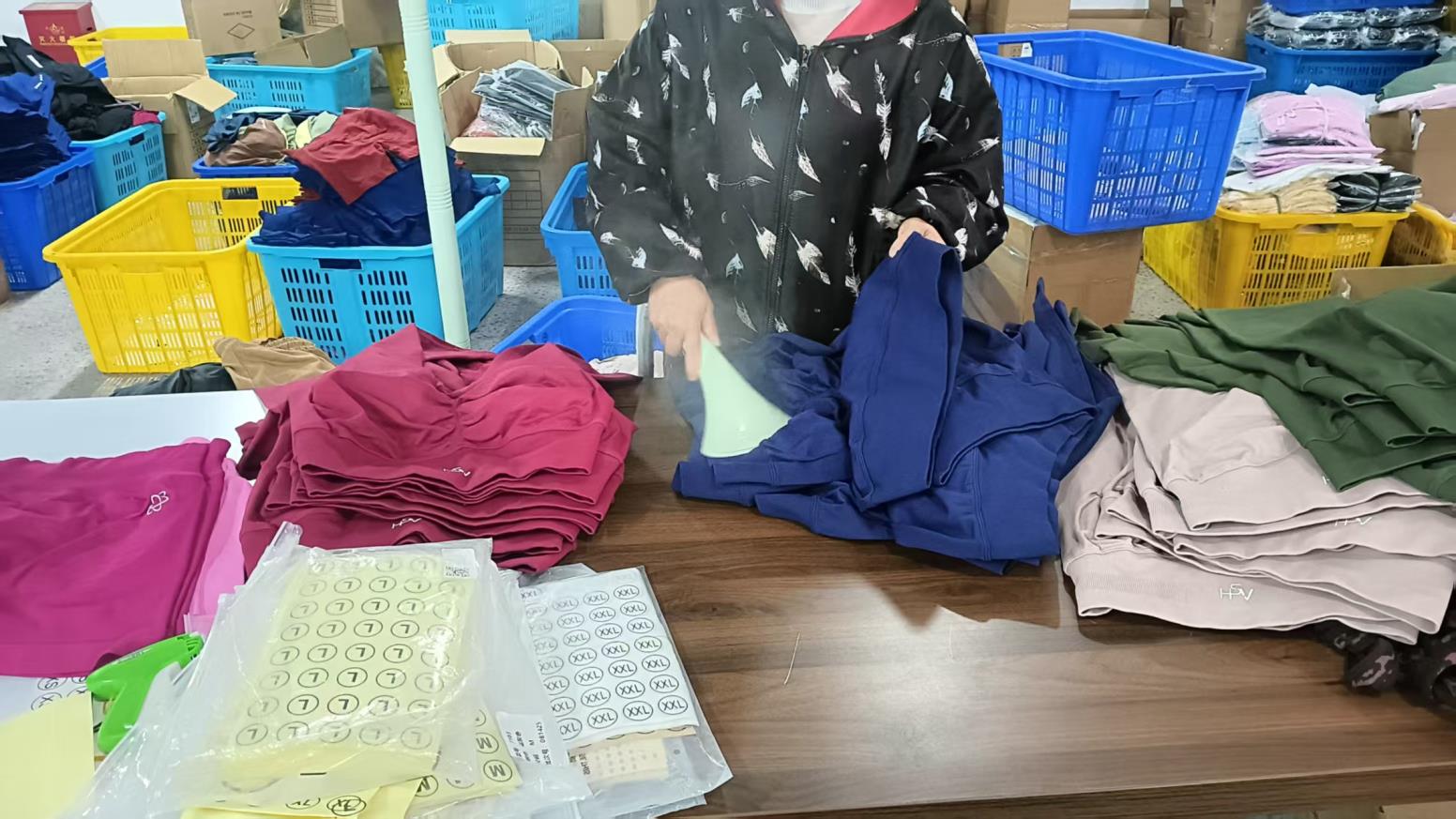
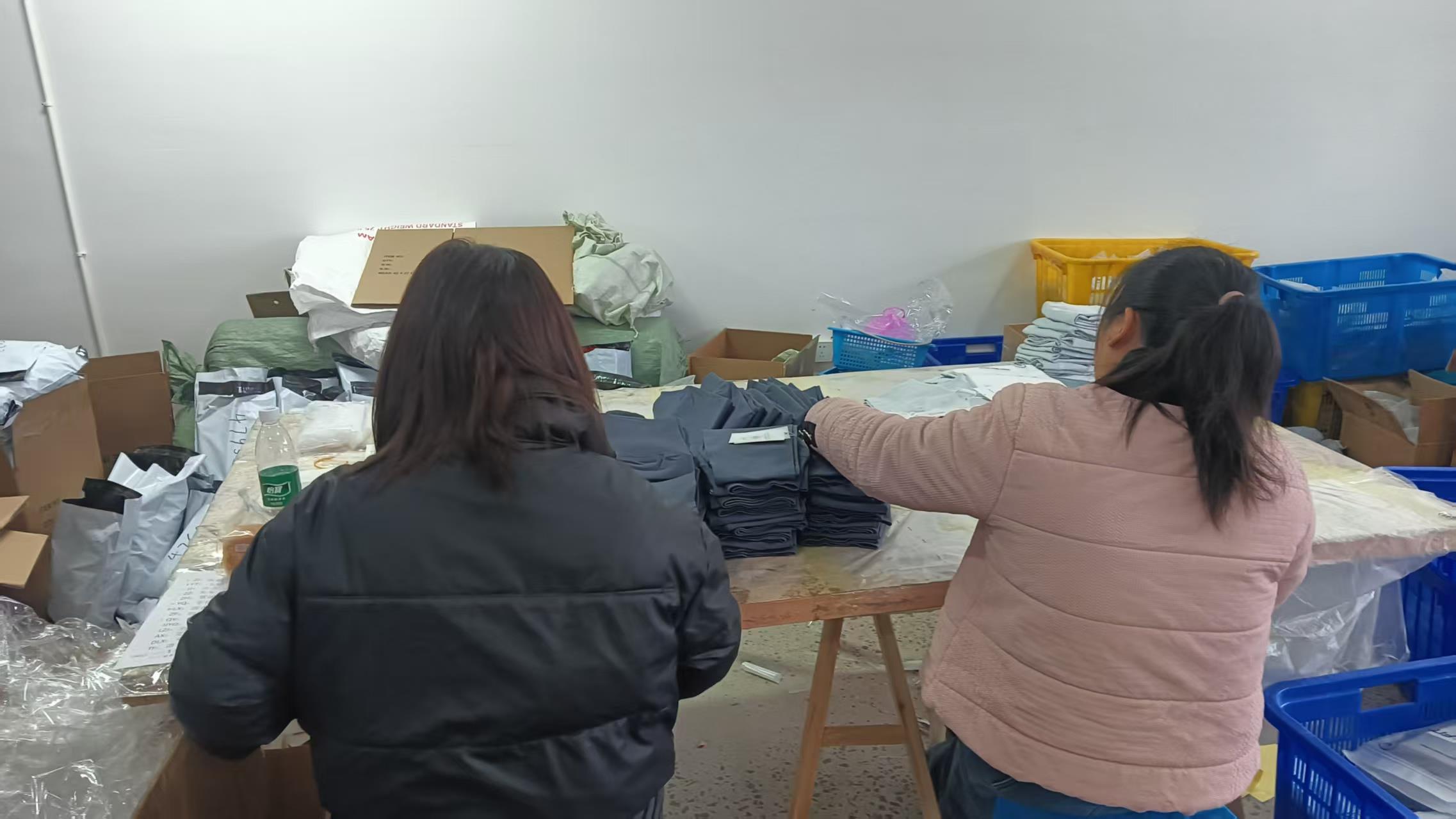
Asymmetrical dresses are no longer just for the runway. Our data mining indicates specific growth in four key localized scenarios:
Supply Chain Resilience: Why China? The Hebei textile cluster offers a "Vertical Ecosystem." From raw yarn to final hot-stamping, all processes occur within a 50km radius. This reduces lead times by 30% compared to Southeast Asian alternatives, providing a critical buffer against global shipping fluctuations.
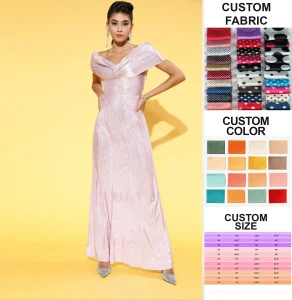
We provide localized sizing charts (EU, US, AU, Asian) based on anthropometric data to ensure lower return rates for E-commerce clients.
Compliance with REACH and OEKO-TEX Standard 100 for chemical safety in textiles, ensuring seamless entry into high-regulated markets.
Direct partnerships with DHL, FedEx, and major sea-freight lines with real-time tracking and customs clearance support.
Our MOQ starts at 100-300 pieces per style/color, depending on fabric complexity. This allows emerging brands to test "Information Gain" designs without heavy inventory risk.
We use digital grading software. Unlike symmetrical dresses, asymmetrical pieces require individual grade rules for every point to maintain the visual balance as the dress scales up.
Yes, Langfang Díaz Fashion specializes in full OEM services, including custom labels, hangtags, and bespoke packaging, promoting your brand's unique identity.
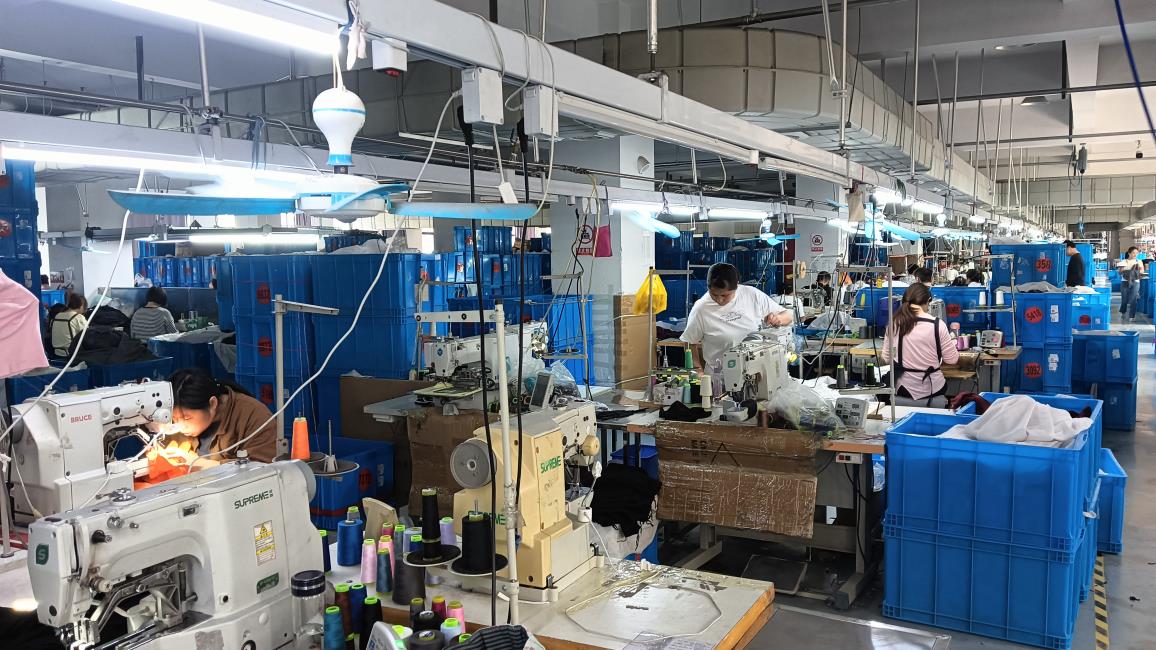
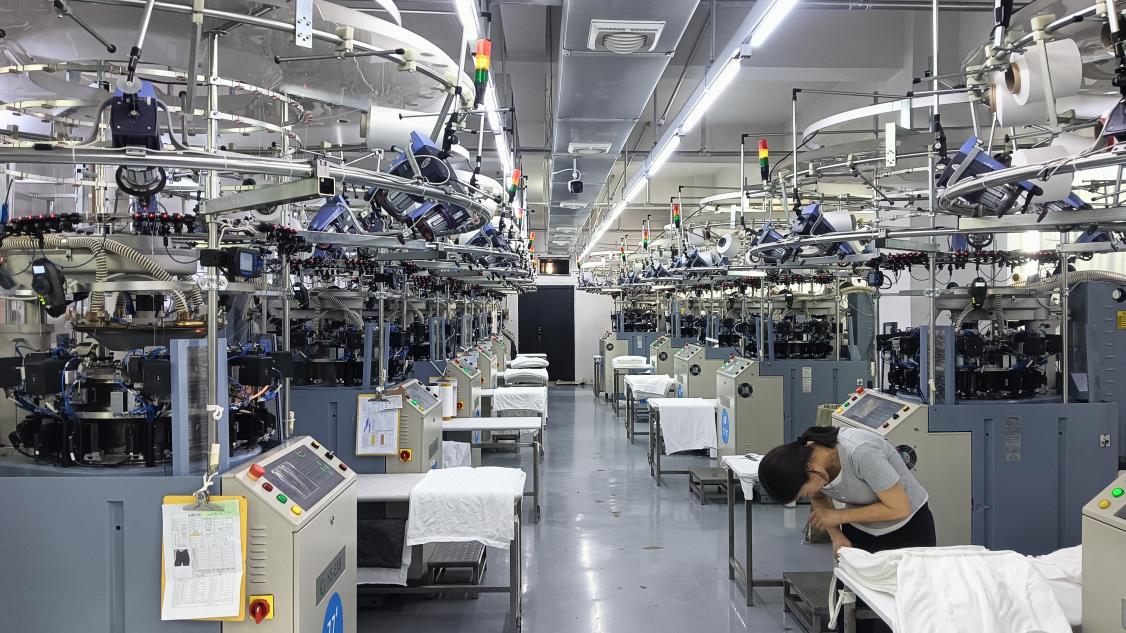
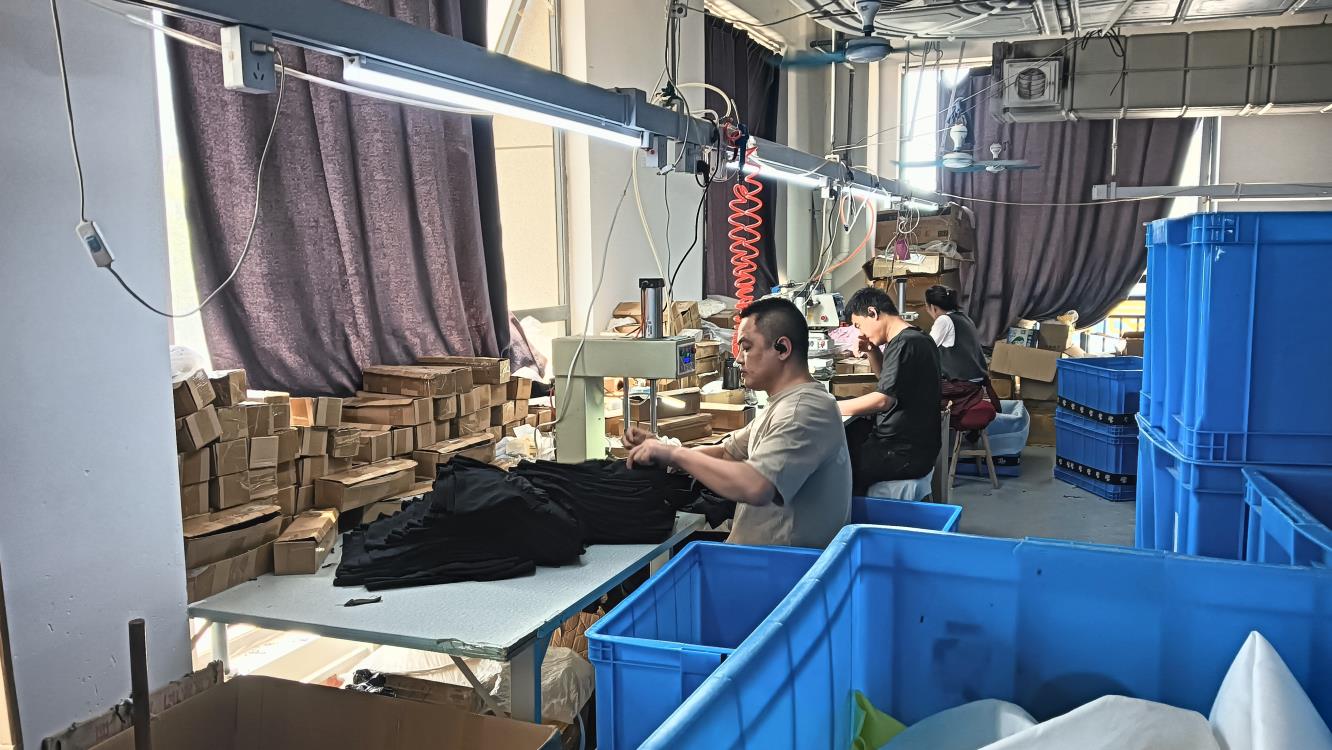
We implement a 4-point inspection system: Fabric arrival, in-line sewing, post-ironing, and final pre-packaging audit as shown in our process gallery.
 Díaz Fashion