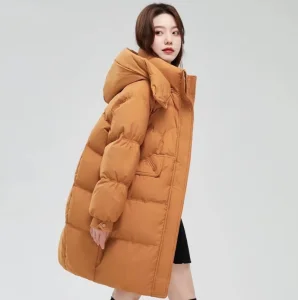
An in-depth analysis of high-end womenswear manufacturing, raw material optimization, and global supply chain strategies for enterprise fashion brands.
The global womenswear market has witnessed a powerful resurgence of minimalist aesthetics, with the classic slip dress establishing itself as a core staple. Originally conceived as intimate wear, the modern slip dress has evolved into a highly versatile, year-round fashion piece. For global buyers, department stores, and independent luxury labels, sourcing top-tier slip dresses requires balancing fluid draping, delicate seaming, and structural integrity. Finding the right wholesale supplier is no longer just about searching for lowest unit prices; it is about establishing a collaborative manufacturing partnership that guarantees material superiority, precise pattern cutting, and strict environmental compliance.
As search intent moves from basic transactions to high-level supply security, sourcing executives look for factories equipped to handle delicate textiles like silk, satin, cupro, and recycled polyester blends. Achieving the perfect bias cut—which allows the fabric to flow naturally over the contours of the body without bunching or stretching—is a technical feat that only experienced manufacturers can deliver. This whitepaper details how China's integrated supply clusters, specifically companies like Langfang Díaz Fashion Co., Ltd., provide the technical mastery and logistics stability needed to fulfill complex global garment orders.
Global procurement teams balance several critical parameters when sourcing slip dresses:
Established in May 2017 and situated in the industrial center of Langfang City, Hebei Province, China, Langfang Díaz Fashion Co., Ltd. has grown into an integrated garment manufacturer. With a registered capital of 1 million yuan, the company specializes in foreign trade apparel production. Over the years, we have transitioned from a localized sewing facility to a comprehensive apparel enterprise that integrates modern brand management, fashion design, state-of-the-art research and development, and global trade operations.
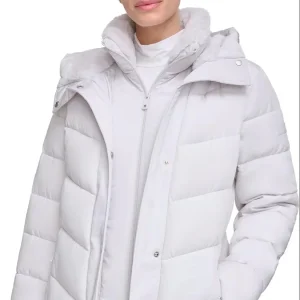
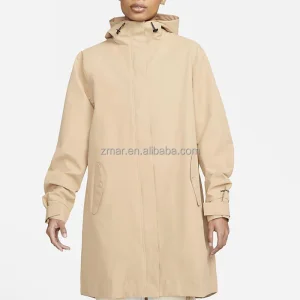
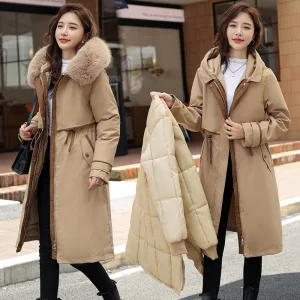
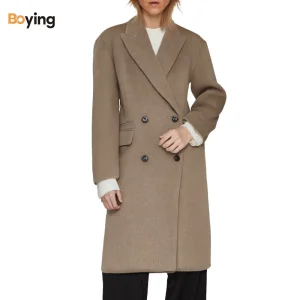
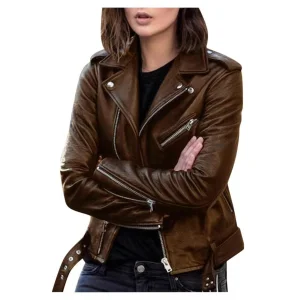
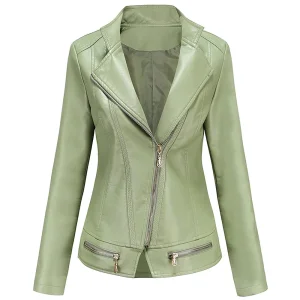
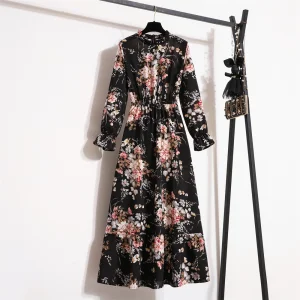
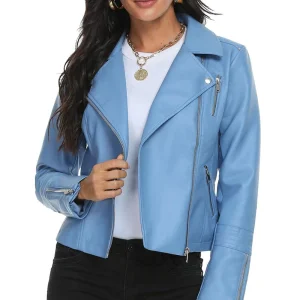
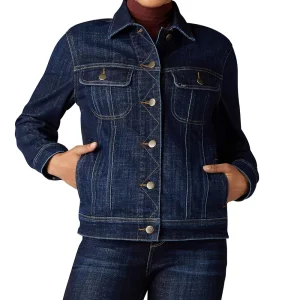
Our geographic location in Langfang provides us with a strategic logistics advantage. We are positioned within the Beijing-Tianjin-Hebei economic circle, giving us direct access to the deepwater container ports of Tianjin, as well as rapid air cargo hubs in Beijing. This infrastructure ensures that raw materials arrive efficiently, and finished products are dispatched to global retail markets with minimal transit delays. Our business focus covers diverse women's fashion, including high-end outerwear, casual dresses, and our signature product category: meticulously draped ladies' slip dresses.
Corporate Philosophy: Guided by the vision of "creating a fashionable and comfortable quality lifestyle for customers," we prioritize natural aesthetics, practicality, and structural fit. Our team operates on the values of diligence, innovation, humility, and gratitude.
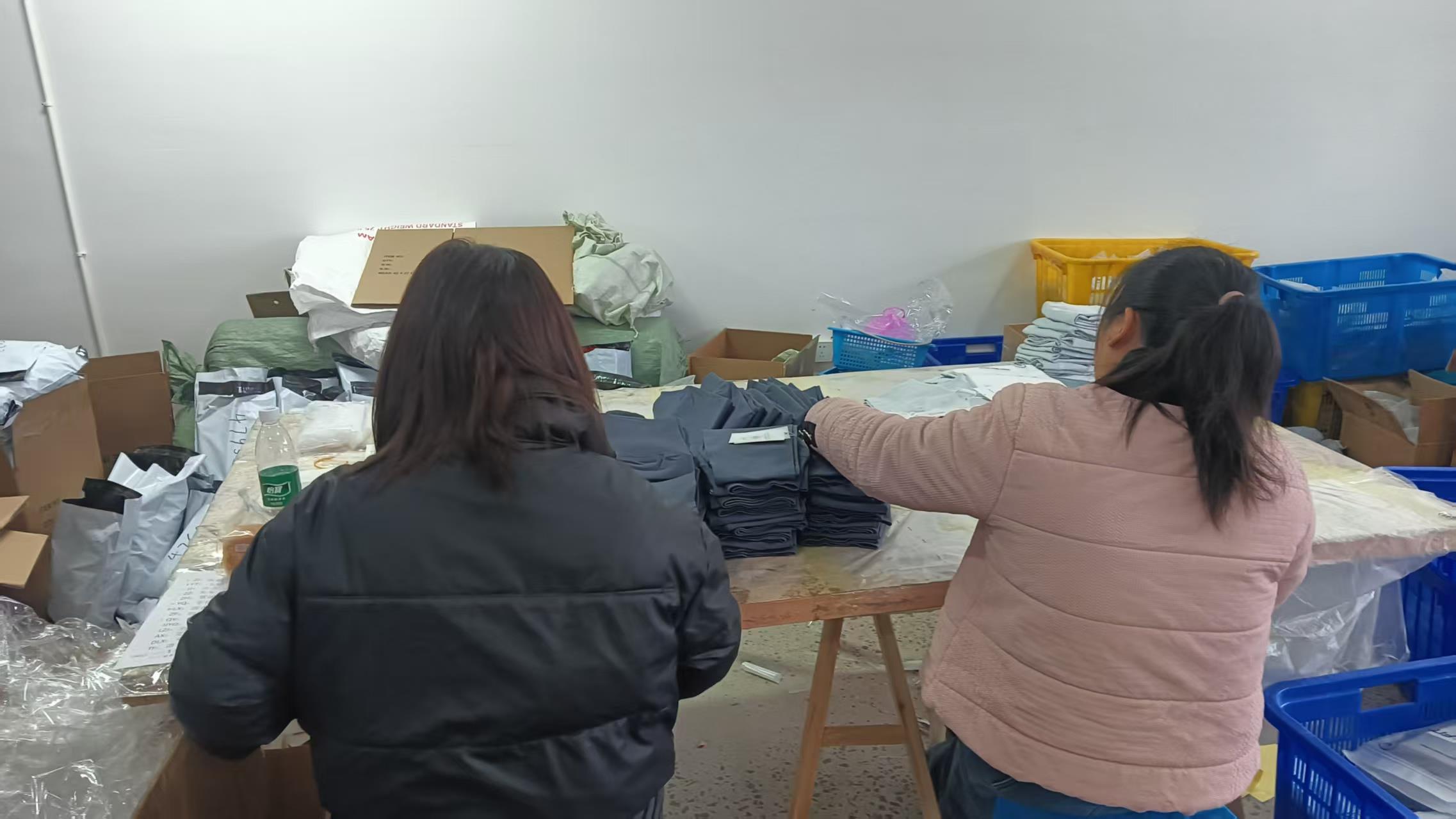
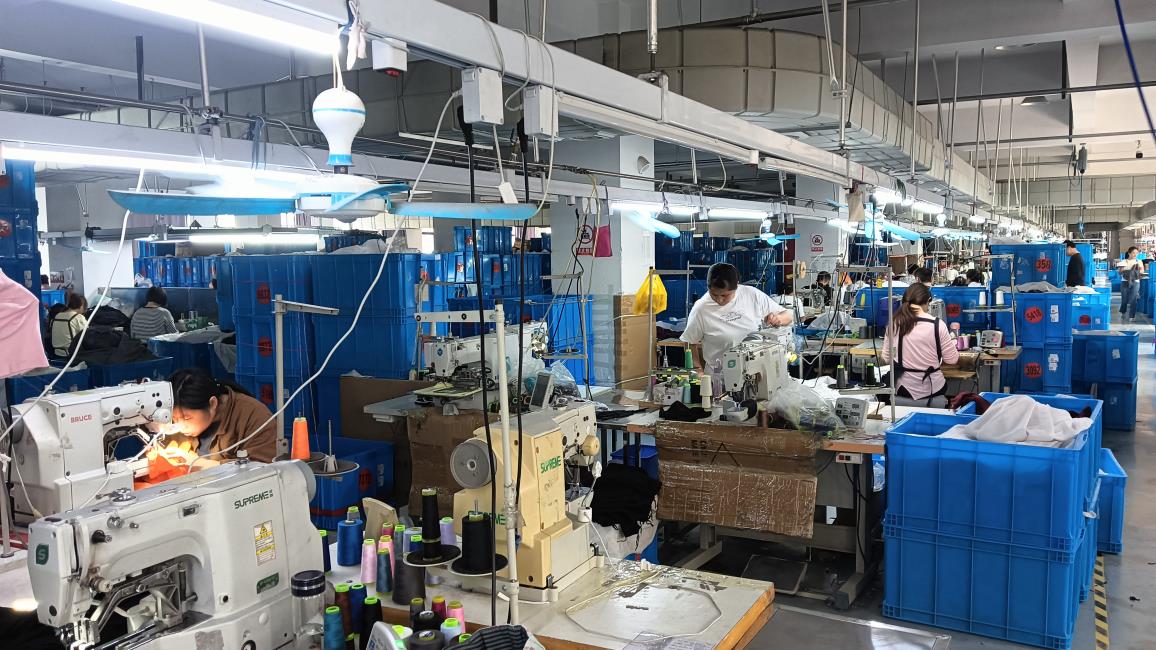
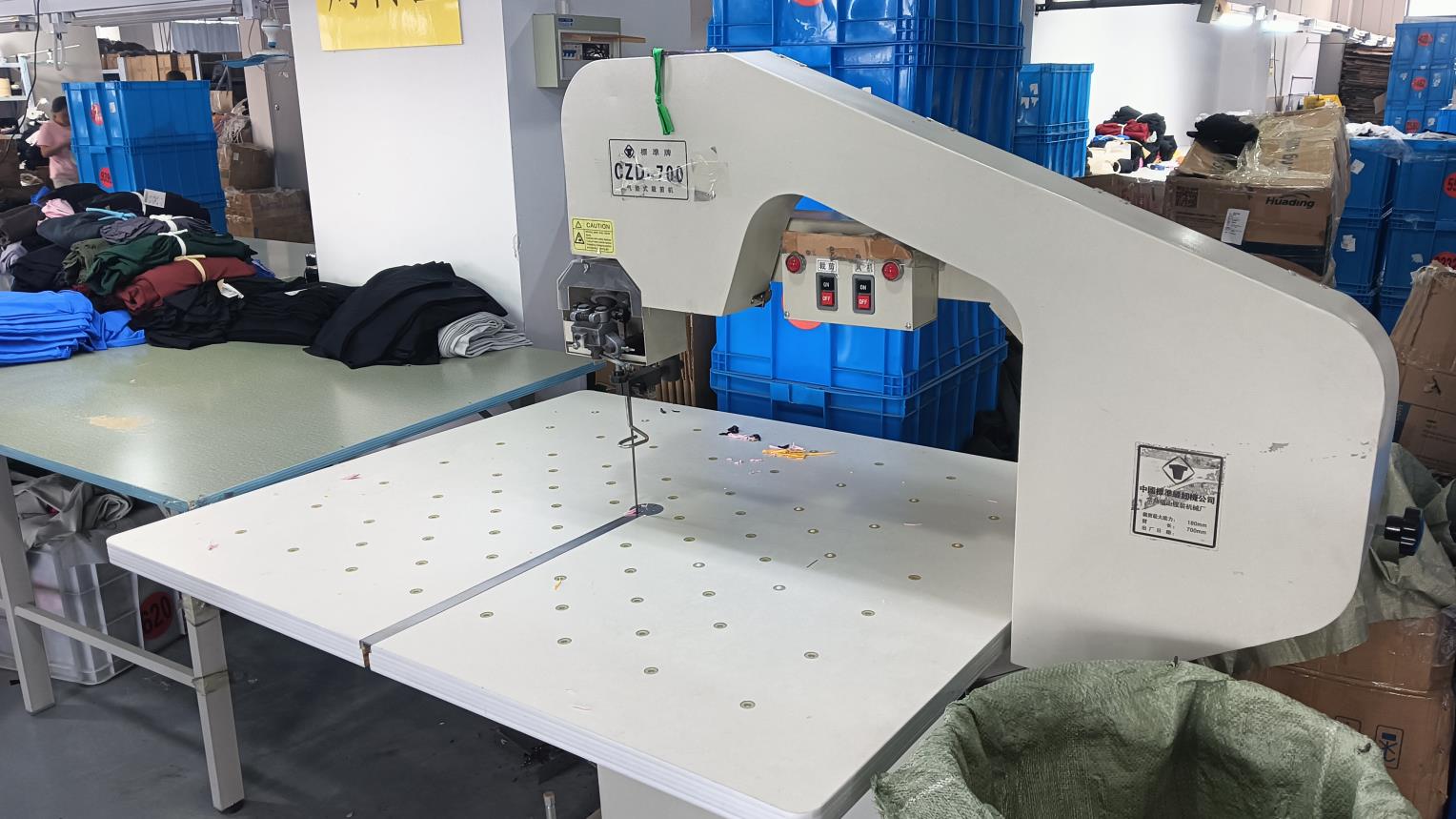
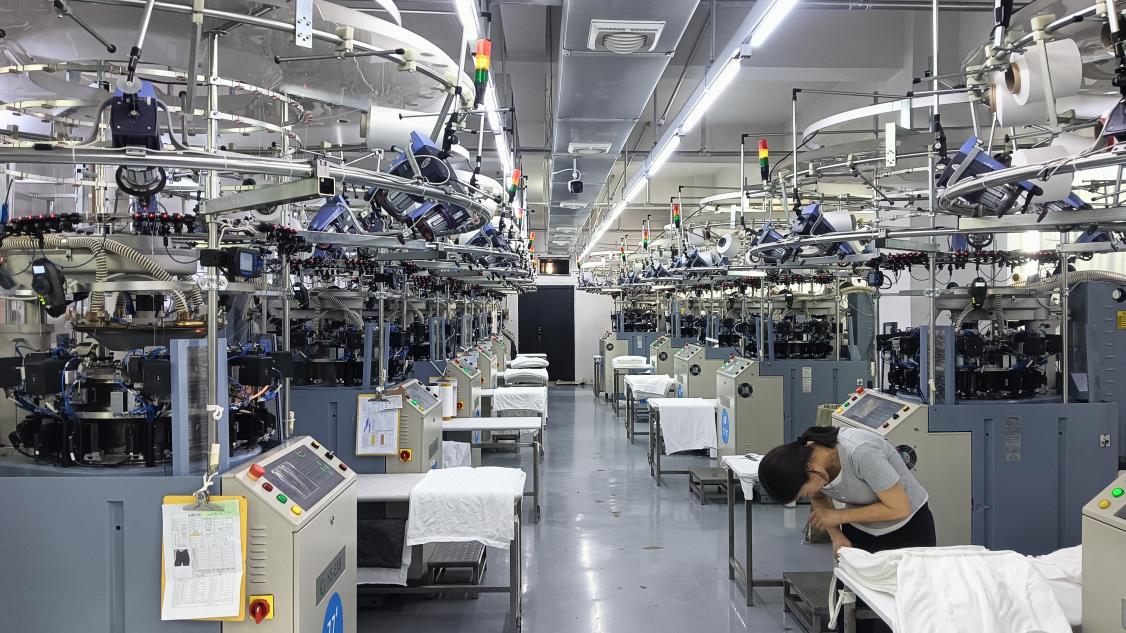
Every slip dress and outerwear garment produced at our Langfang facility undergoes a twelve-step manufacturing process, ensuring consistent quality and design fidelity.
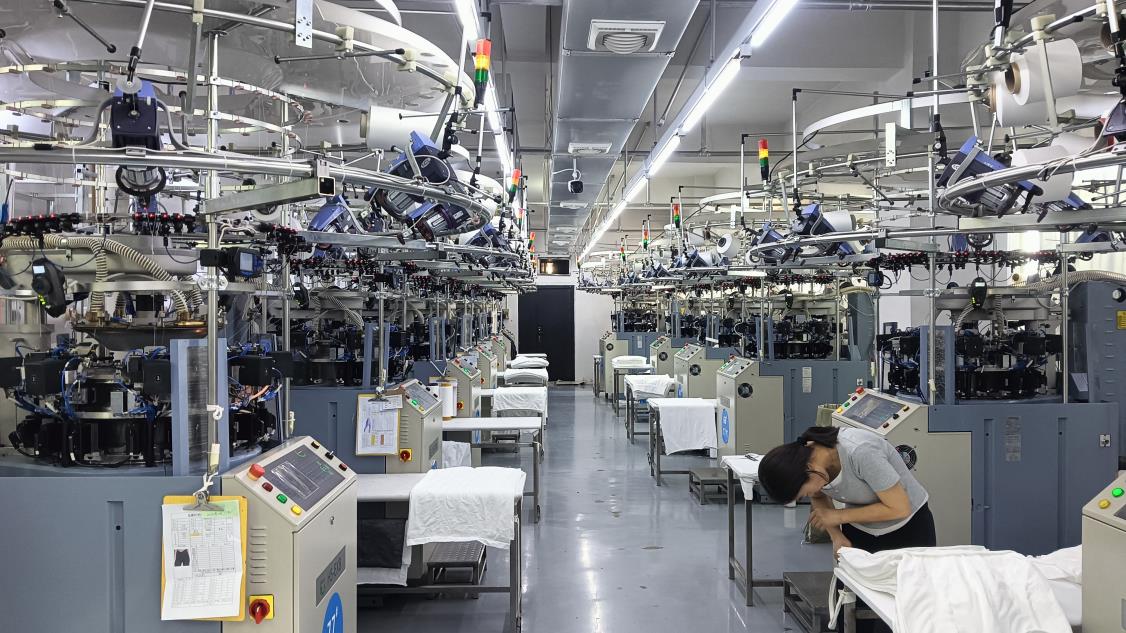
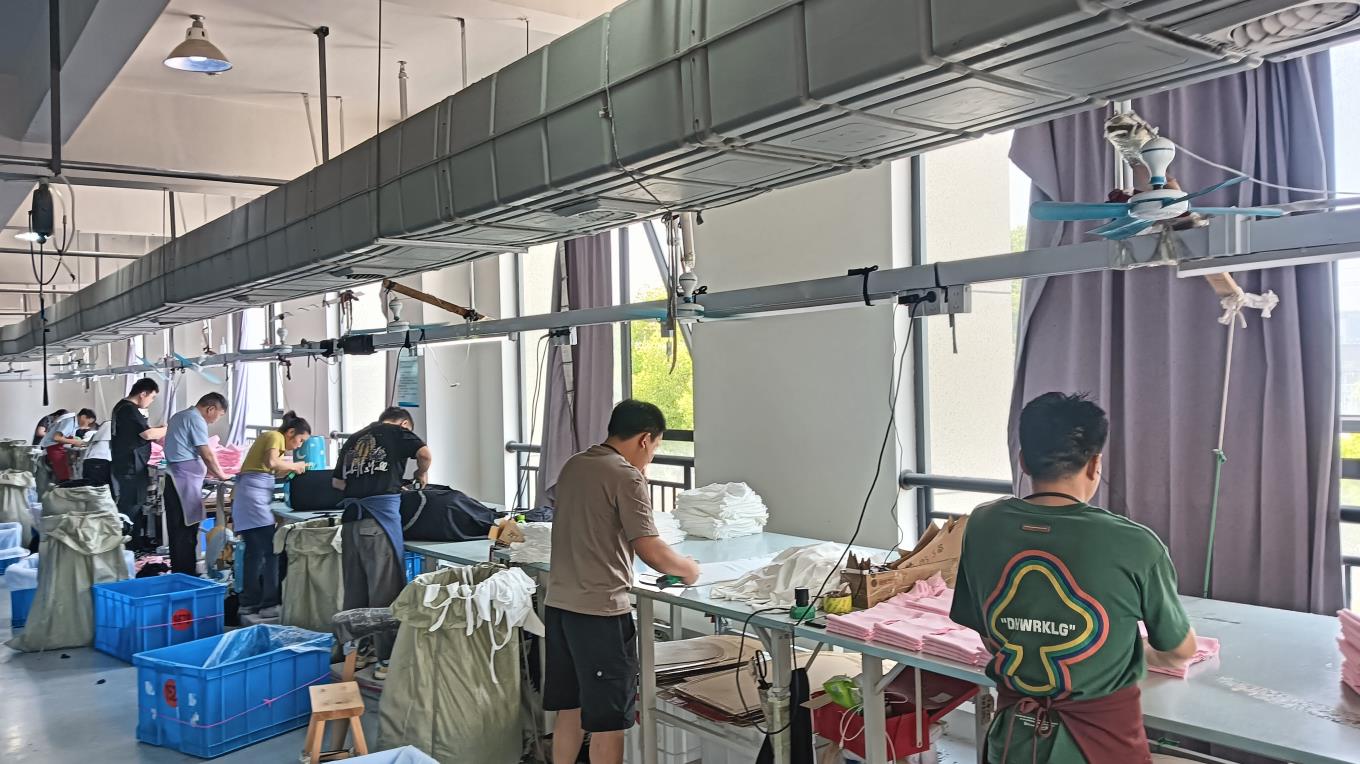
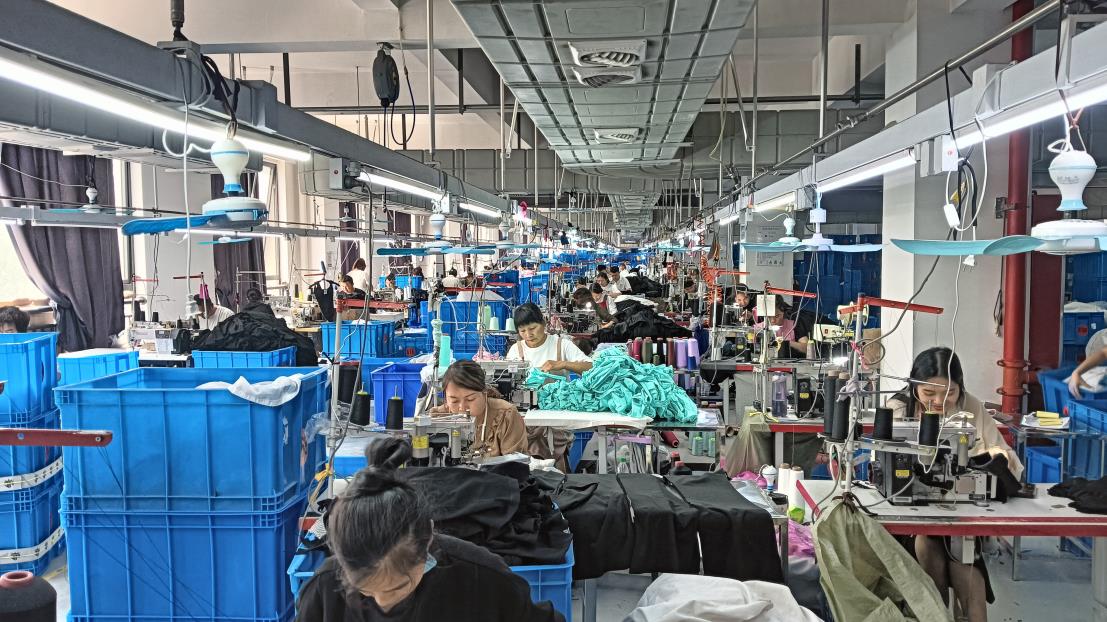
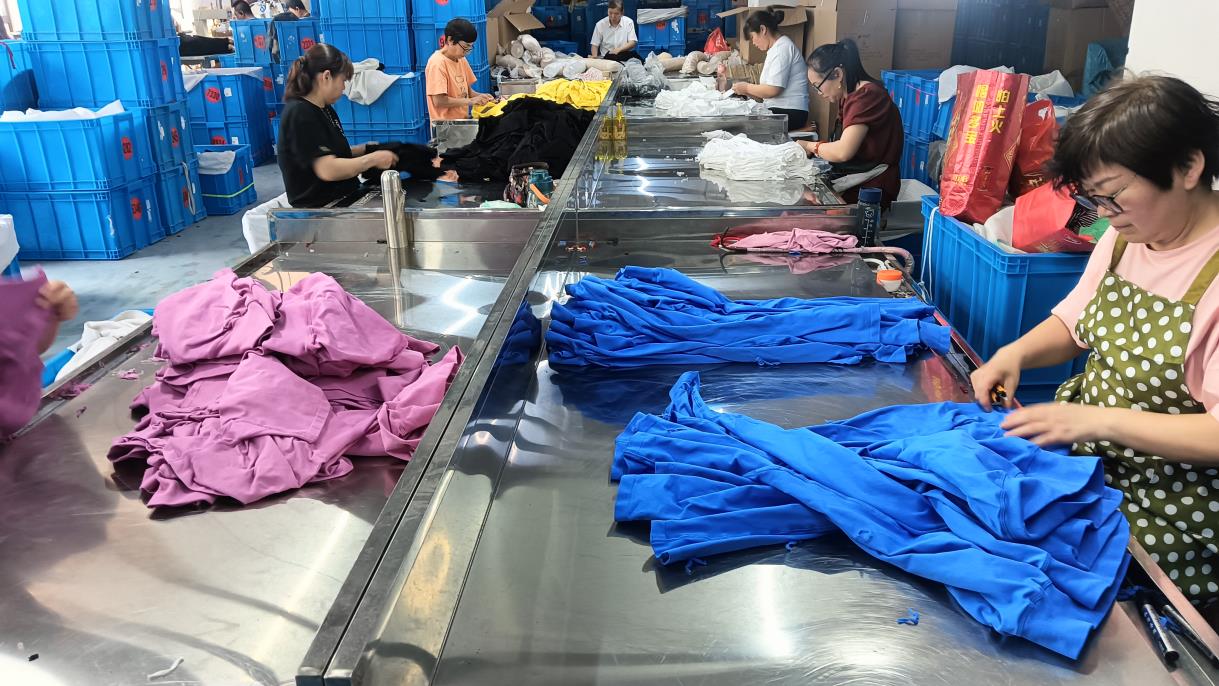
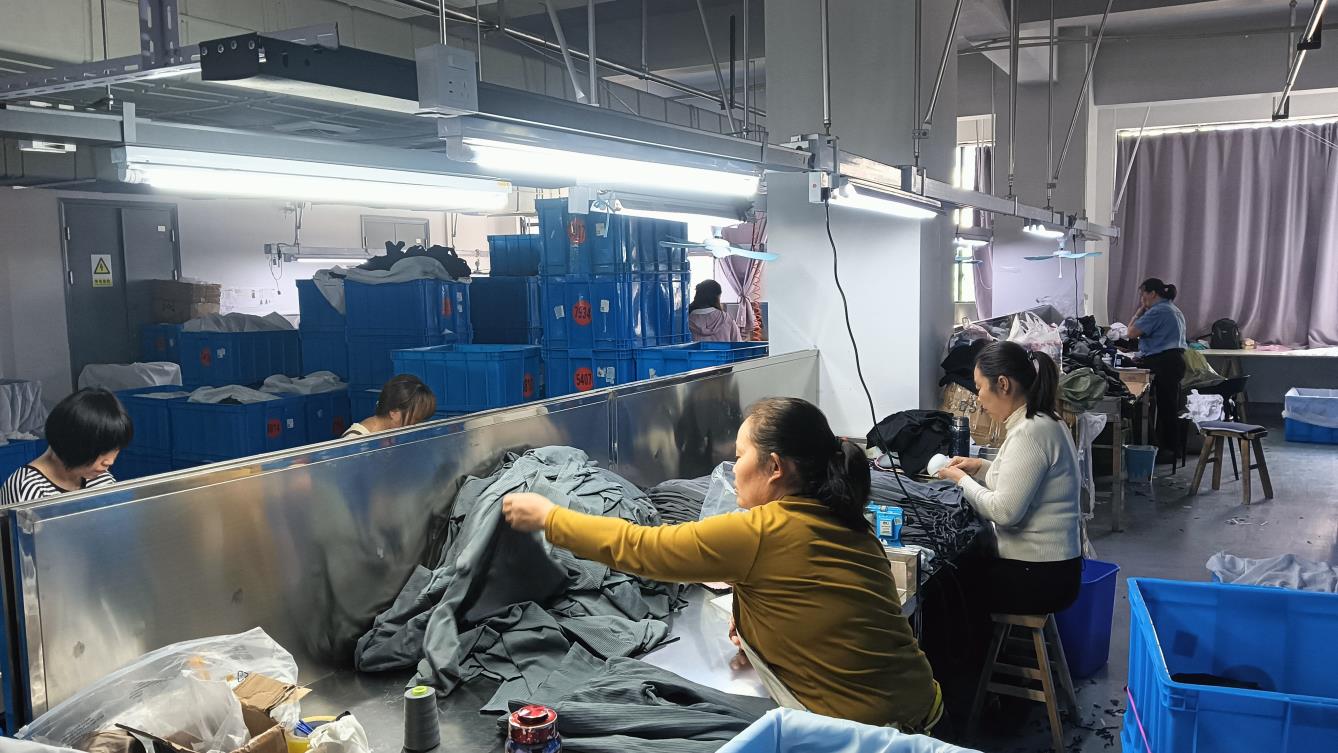
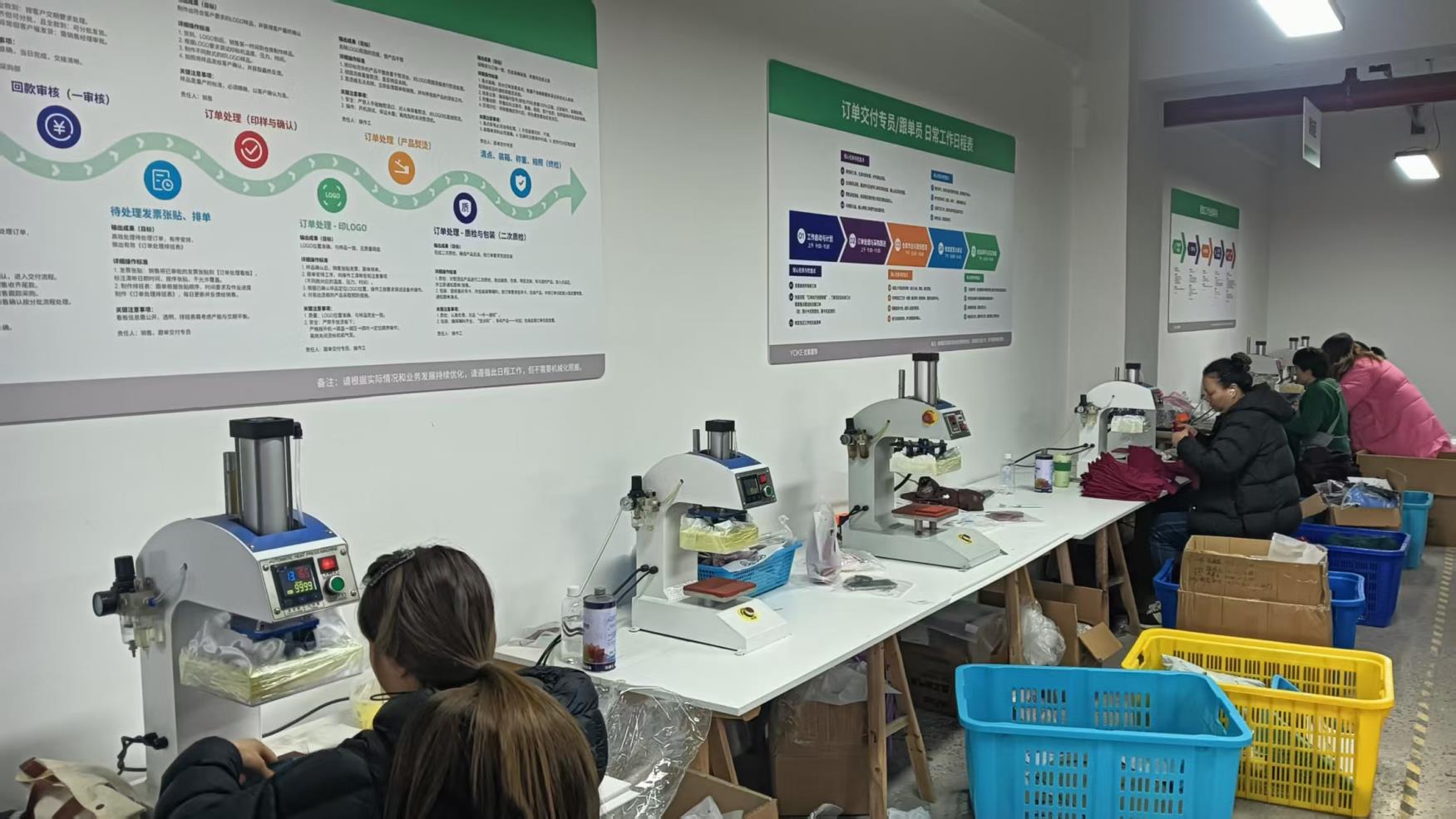
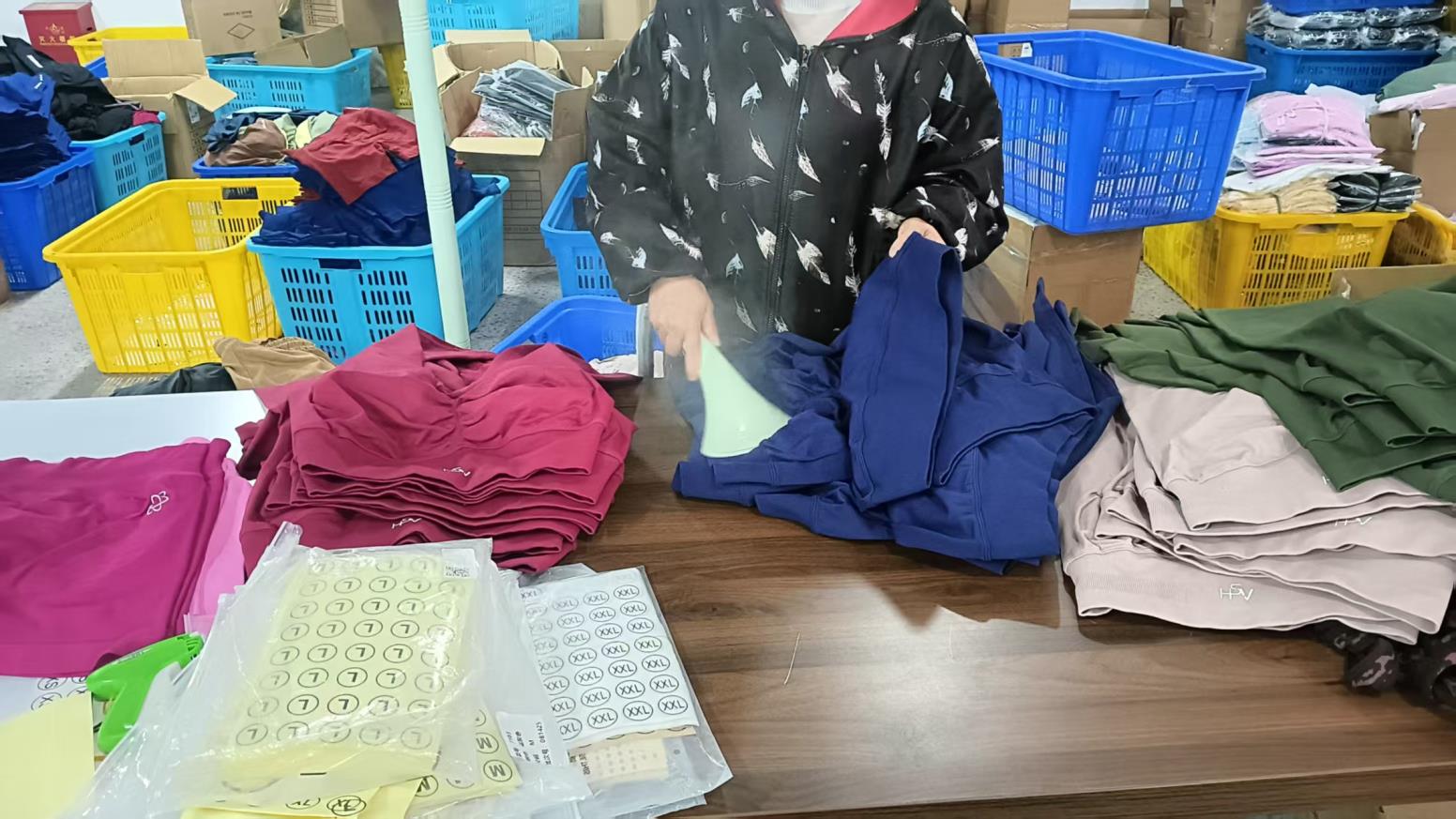
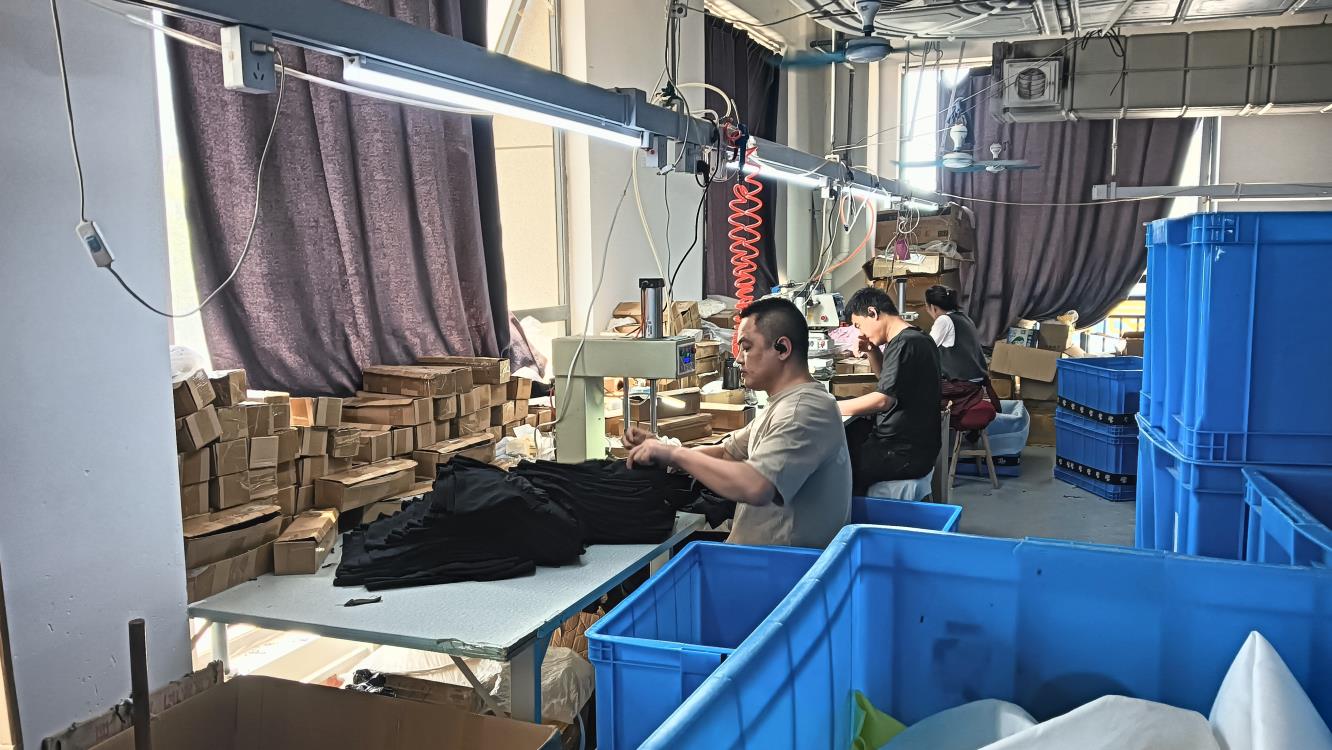
The global apparel market demands a sophisticated approach to textile selection. Contemporary ladies' slip dresses are no longer confined to traditional silk. They incorporate advanced material science to achieve durability, ease of care, and rich textures.
With strict global carbon regulations, brands are moving toward Lyocell, Tencel, and Cupro (regenerated cellulose fibers derived from cotton linter). These fibers provide the luster of silk while offering superior breathability, moisture absorption, and compostability.
Seam slippage is a common point of failure for lightweight slip dresses. By using reinforced satin weaves and modifying filament yarn geometry, our engineering team ensures that the seams tolerate high tension without warping or tearing.
Reducing water waste is essential for modern brands. We utilize digital dye sub-printing processes that minimize water pollution while delivering bright, durable colors that resist fading over prolonged wear.
A successful global sourcing strategy adapts to the unique regulatory and stylistic preferences of different consumer markets.
The demand in North America leans toward versatile styling, transitioning from daywear to evening wear.
European buyers emphasize high environmental compliance and minimal silhouettes.
APAC markets focus on layered stylings and softer pastel palettes.
Procuring garments internationally involves navigating challenges like logistics delays, fluctuating raw material costs, and unexpected tariffs. Langfang Díaz Fashion addresses these pain points with a system of supply chain solutions built for mid-sized and enterprise fashion brands:
1. Flexible OEM/ODM Prototypes: We translate sketches or digital vector designs into fit samples within 5-7 working days. Our advanced CAD pattern software optimizes fabric utilization, reducing waste by up to 15% before production begins.
2. Material Traceability: We trace our raw materials back to their yarn origin, ensuring transparency and providing certified compliance documentation to satisfy your customs clearances.
3. Adaptive MOQ (Minimum Order Quantity) Scale: We offer flexible minimum order tiers for trial collections, allowing brands to test new colorways or designs before committing to larger production runs.
 Díaz Fashion