Explore our versatile catalog featuring high-performance textiles, transitional silhouettes, outerwear and active leisurewear engineered for global markets.
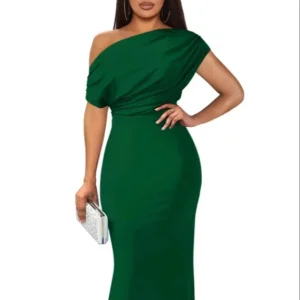
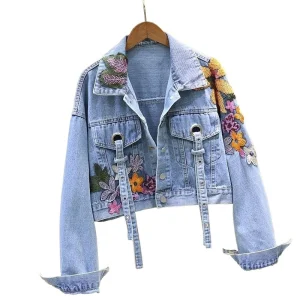
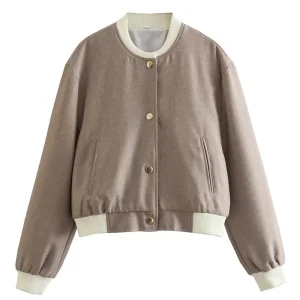
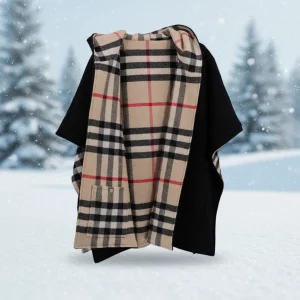

The global ladies' beach dress sector has transitioned from a seasonal niche into a year-round, high-performance apparel segment. Valued at over $20 billion, the resort wear and beachwear industries are propelled by premiumization, shifting consumer demographics, and the growth of global eco-tourism. Sourcing managers, retail purchase executives, and brand procurement directors face structural shifts that influence supplier selection.
Quality beach dress manufacturing now requires a balance of light breathability, resistance to UV degradation, and wearability transition from beachside relaxation to semi-formal dining. Modern manufacturers must support flexible lead times, satisfy compliance and sustainability standards, and offer dynamic styling options that appeal to regional preferences.
The functional characteristics of beachwear are constantly evolving. Standard cotton fabrics have been complemented and replaced by technical blends engineered for sun protection, moisture management, and longevity. Buyers focus on key performance indicators:
Advanced beachwear features materials with built-in Ultraviolet Protection Factor (UPF 50+). These protect wearers from UVA and UVB rays. Using density-focused weaving techniques and titanium dioxide-infused fibers ensures protection remains wash-resistant, outperforming surface chemical finishes.
Modern beach dresses need to dry quickly when layered over swimwear. Advanced finishes disperse moisture across a wider surface area to speed evaporation. This prevents fabric sagging and odor buildup, keeping the garment comfortable from seaside to city wear.
Global compliance and buyer preferences focus heavily on recycled PET, organic linen, and Tencel™ Lyocell. Sourcing from certified mills ensures supply chain clarity, meeting strict environmental rules like GRS (Global Recycled Standard) and OEKO-TEX® Standard 100.
Beach dresses serve diverse lifestyles and aesthetic preferences in different international markets. Developing a targeted localized assortment helps brands minimize excess stock and boost customer conversion rates.
In North America, style leans toward multi-functional lifestyle clothing. Consumers favor inclusive sizing, adjustable drawstrings, and transitional styles like button-up cover-ups and tiered maxi-dresses. These designs work well for cruise vacations, coastal resorts, and casual dining.
European buyers prioritize natural fibers, eco-friendly certifications, and minimal design. Linen caftans, knit crochet cover-ups, and wrap dresses in earthy tones are popular. Mediterranean resort destinations demand breathable, stylish silhouettes that focus on environmental sustainability.
APAC markets, especially Japan, South Korea, and Southeast Asia, prefer higher sun-protection profiles, lightweight fabrics, and layered looks. In Middle Eastern resort hubs, there is strong demand for modest yet luxurious styles, with maxi cover-ups made from premium silk-rayon blends.
Langfang Díaz Fashion Co., Ltd. (established in May 2017 in Langfang City, Hebei Province, China) exemplifies the agility, expertise, and efficiency of China's garment export sector. With a registered capital of 1 million yuan, the company operates as a professional enterprise integrating brand management, custom design, R&D, and global trade.
Chinese manufacturers maintain their competitive edge through vertical integration. Sourcing mills, print houses, dye facilities, accessory suppliers, and shipping networks are clustered closely together. This proximity helps Diaz Fashion offer competitive pricing, quick sample turnaround, and reliable delivery, even during peak production seasons.
By prioritizing "creating a fashionable and comfortable quality lifestyle for customers," Diaz Fashion develops designs centered on natural aesthetics, utility, and comfort. The company's business model relies on co-creation and mutual benefit, providing customized fashion products to global markets.
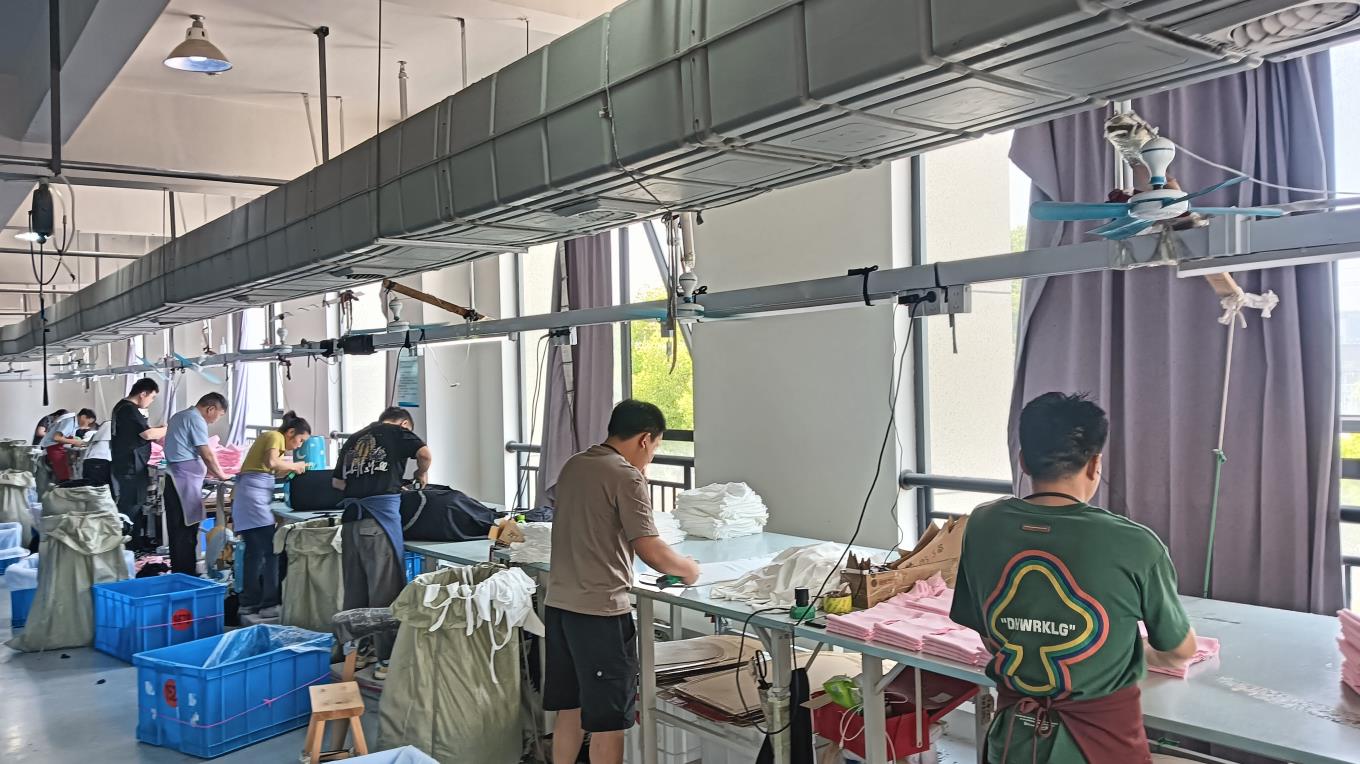
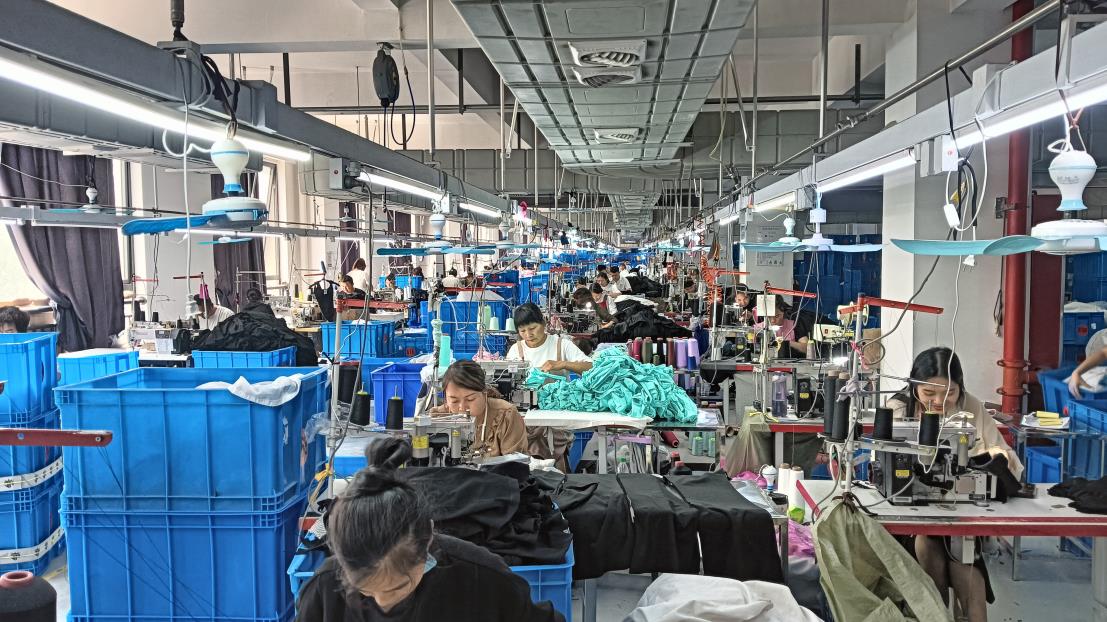
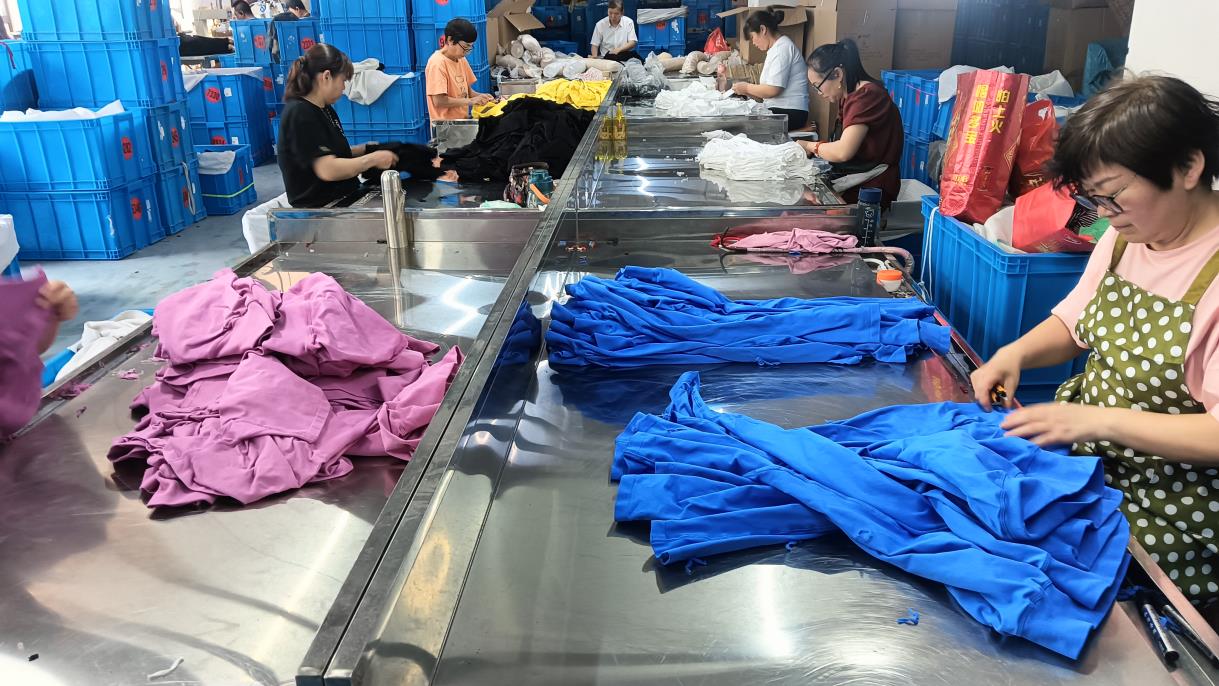
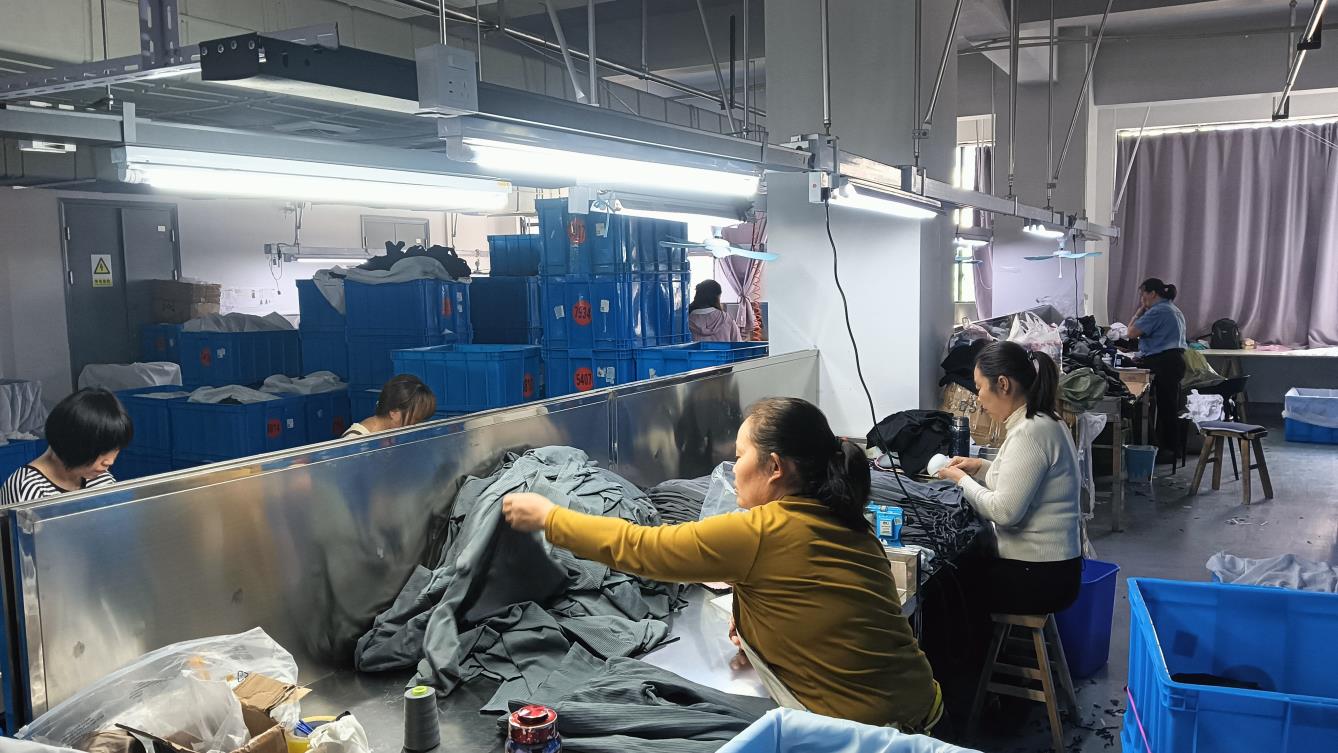
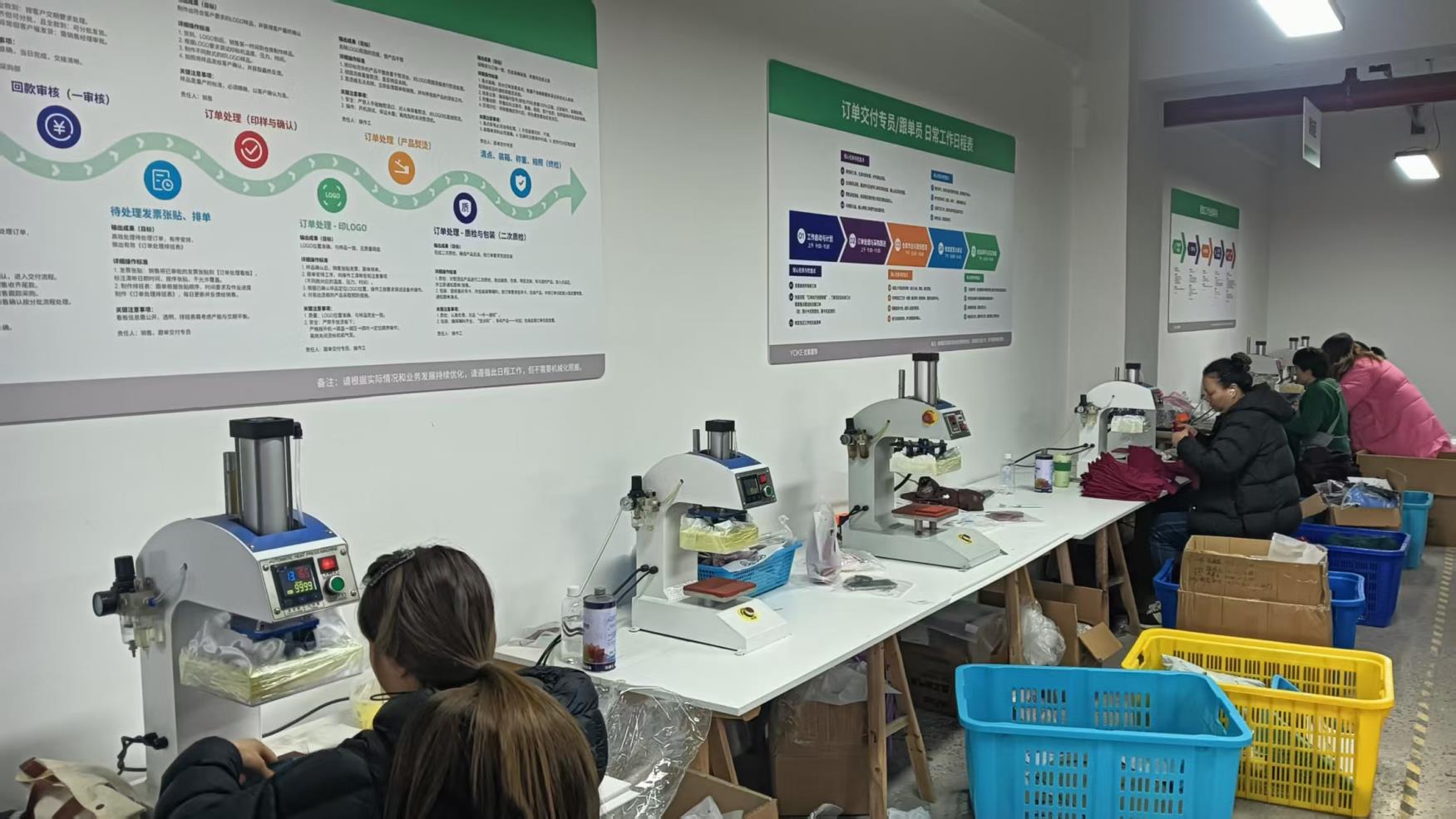
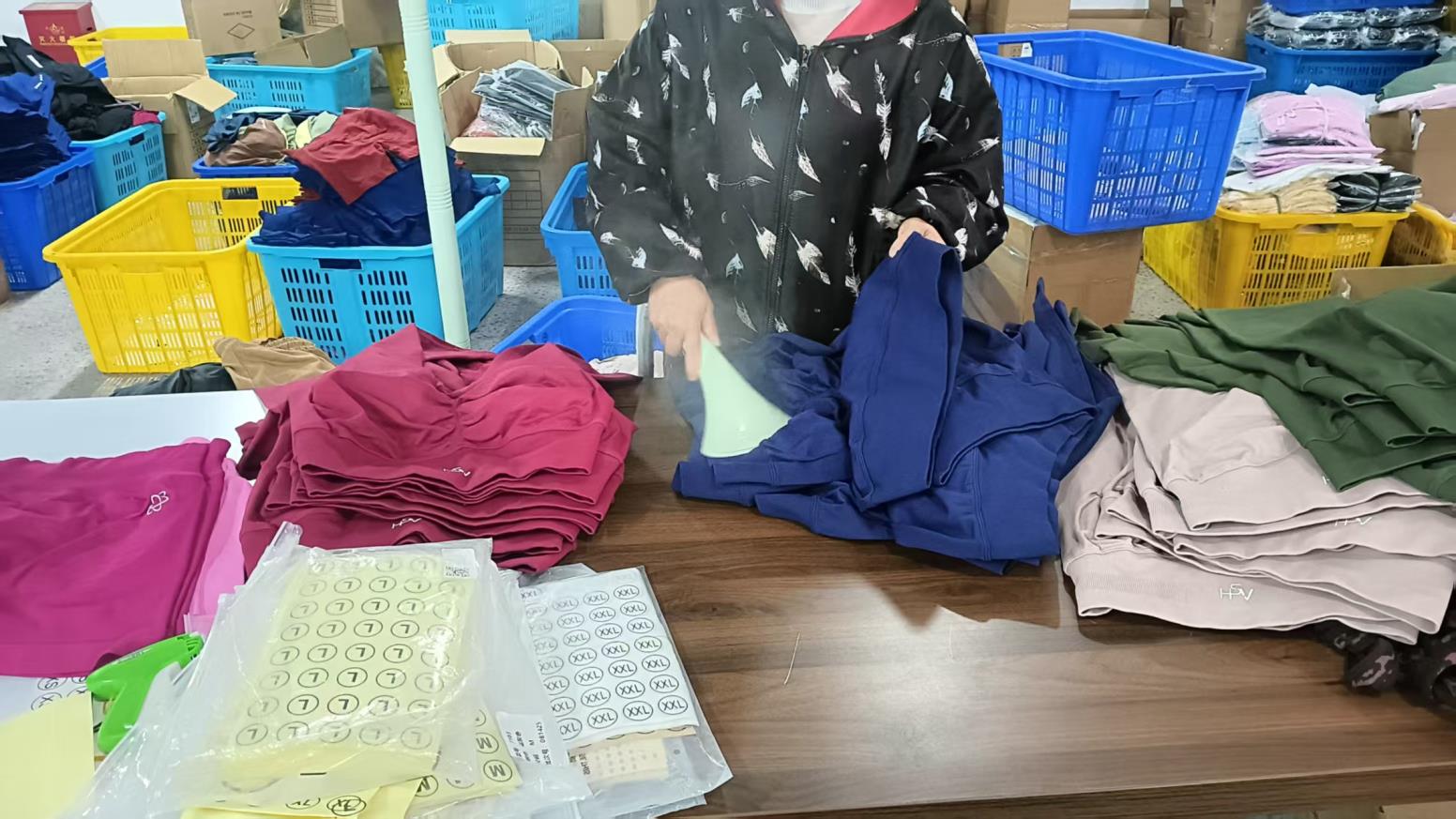
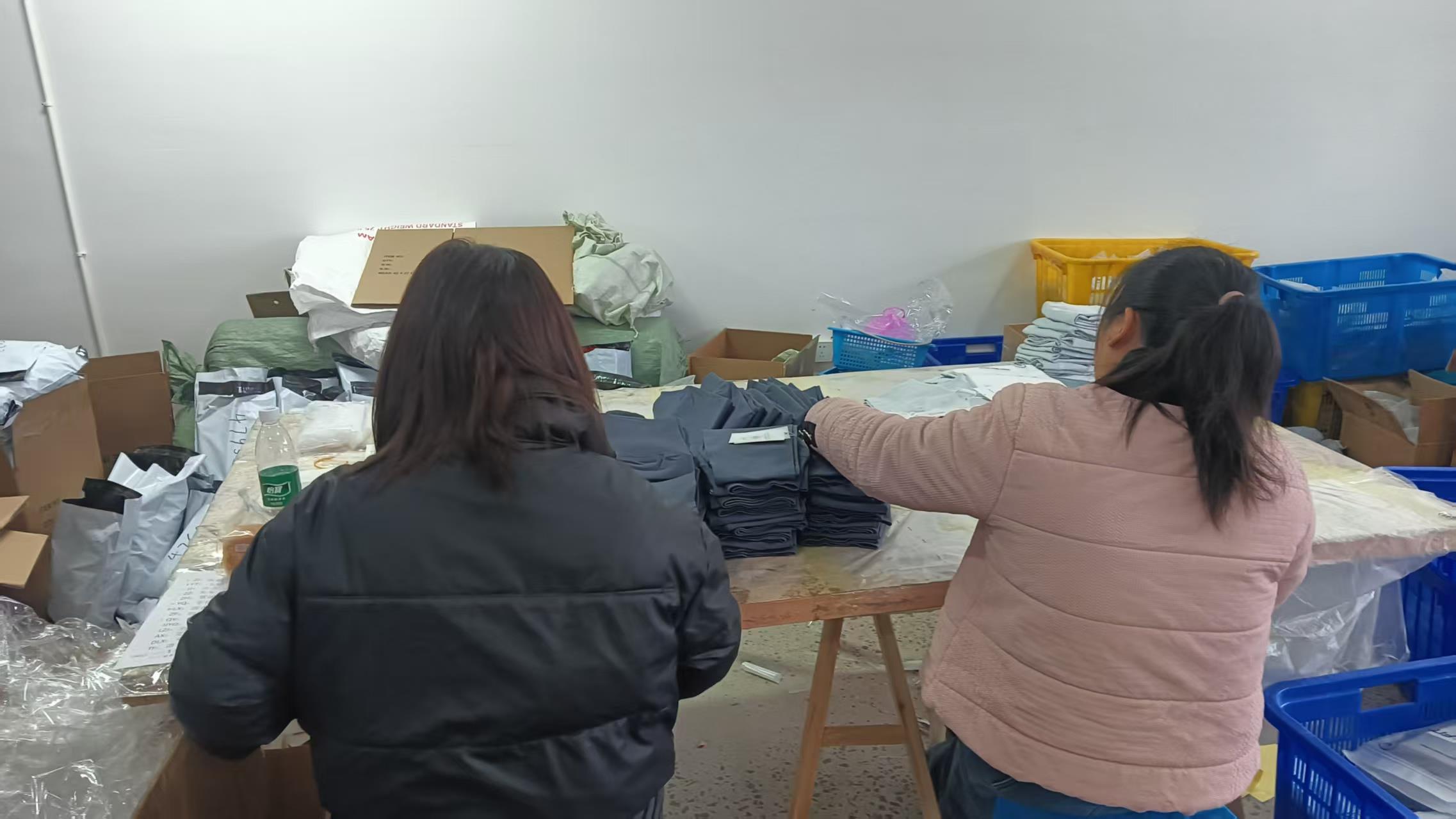
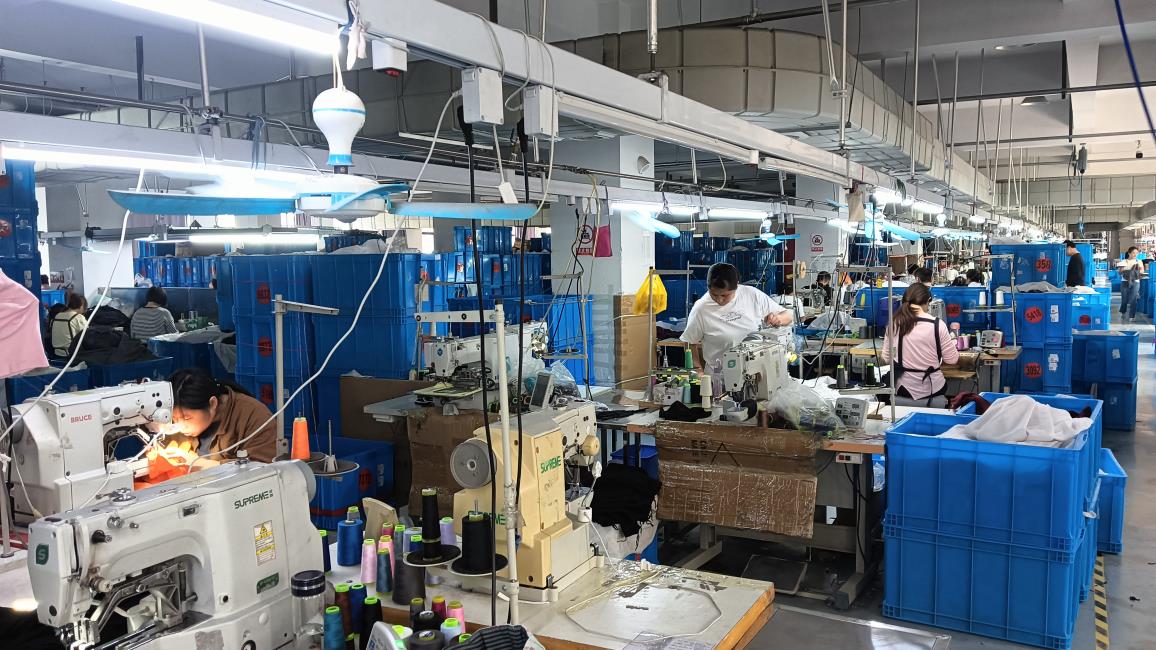
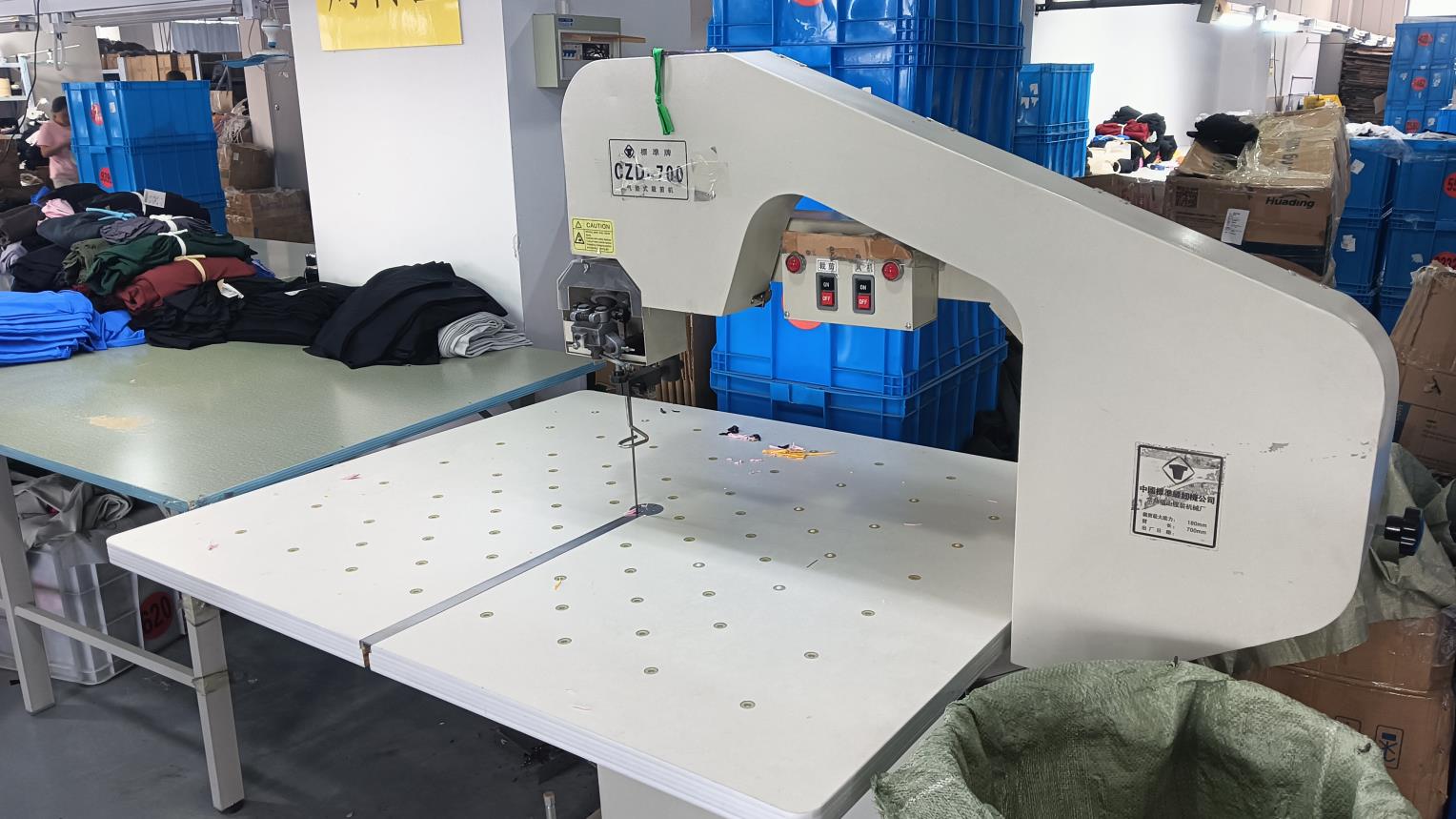
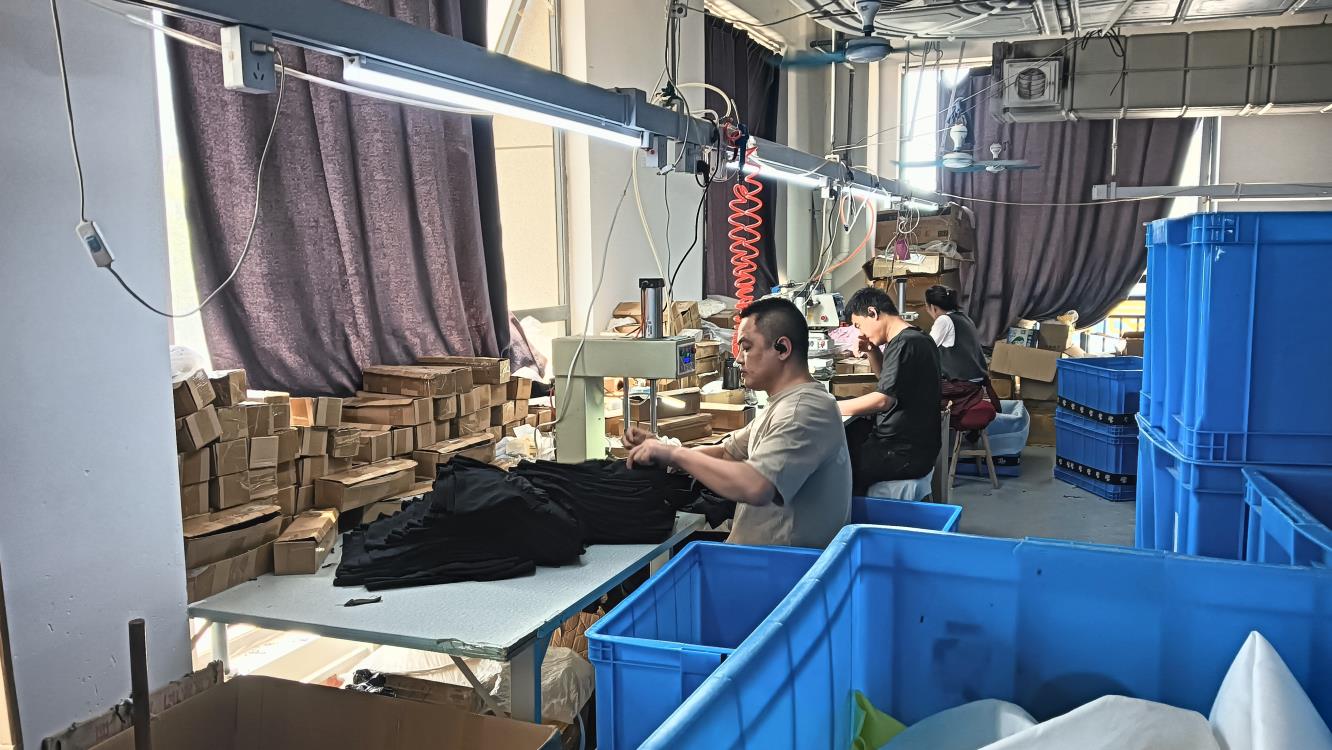
Diaz Fashion operates a modernized production floor, employing structured workflows that range from computerized knitting and high-precision cutting to final ironing, testing, and secure packaging.


Entering international retail markets requires meeting strict compliance protocols. Top garment exporters adhere to standard compliance frameworks to minimize customs risks, brand liability, and product returns:
Exporters must verify that all fabrics comply with EU REACH regulations and US CPSIA rules. This includes keeping lead, cadmium, formaldehyde, and AZO dyes below regulated safety thresholds, ensuring beachwear remains safe for sensitive skin.
Global fashion companies prioritize suppliers audited by BSCI, SMETA, or WRAP. These certifications confirm ethical working conditions, fair pay, and safe environments, matching the corporate values of today's consumer brands.
Managing logistics is crucial. Top suppliers offer flexible FOB, CIF, or DDP delivery terms. By providing accurate Harmonized System (HS) codes, detailed certificate of origin paperwork, and export documentation, they ensure swift customs clearance.
The future of beach dress production is shaped by technological integration. Smart pattern rendering using 3D CAD modeling allows brands to test drape, fit, and pattern placement virtually. This approach minimizes fabric waste during sampling and shortens the design approval phase from weeks to days.
Furthermore, waterless dyeing technologies, digital inkjet printing, and closed-loop manufacturing systems are becoming industry standards. As brands work to lower their carbon footprints, suppliers that offer low-carbon production processes and transparent logistics tracking will build strong, long-term partnerships in the global apparel supply chain.
Standard OEM sample development takes 5 to 7 business days. Bulk manufacturing typically ranges from 25 to 45 days after deposit confirmation and sample approval. Lead times depend on fabric availability and design complexity.
Qualified suppliers subject beachwear fabrics to strict laboratory testing. They target a colorfastness rating of Grade 4 or higher (ISO 105-B02/E03 standards) to protect fabrics against degradation from sun, chlorine, and sea salt.
MOQs vary based on the fabric. Stock fabrics typically require an MOQ of 100 to 300 pieces per colorway. Fully custom-dyed or specialty printed textiles may require 500 to 1,000 pieces per style.
Diaz Fashion offers end-to-end design and manufacturing support. This includes low initial MOQs on select styles, custom labeling, and embroidery. By providing structured R&D alongside design support, they help emerging brands launch collections efficiently.
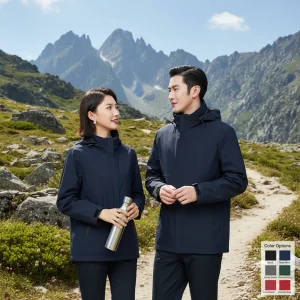
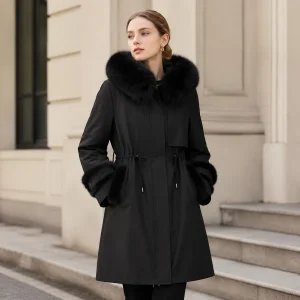
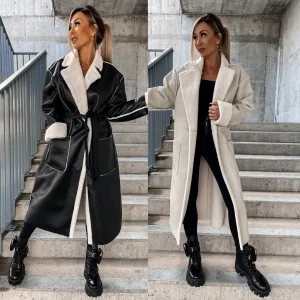
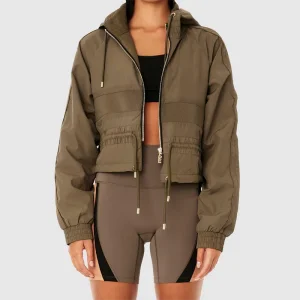
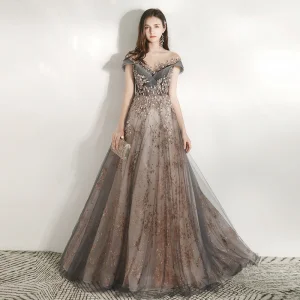
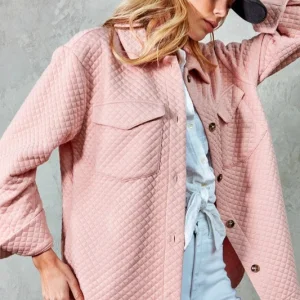
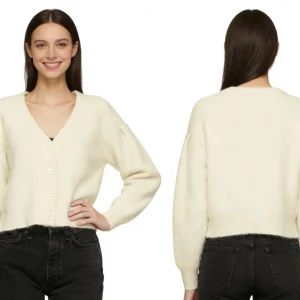
Browse our comprehensive selection of high-performance jackets, parkas, and knitwear, built to meet diverse climate demands and quality expectations.

 Díaz Fashion