The global demand for ladies' casual pants has underwent a massive structural transformation. Driven by hybrid work models, athleisure trends, and conscious consumerism, procurement teams must evaluate apparel manufacturers not just on cost, but on technical agility, raw material transparency, and vertical design capability. Finding a factory that seamlessly integrates design iteration with industrial production is key to capturing modern market share.
This strategic whitepaper details how leading manufacturers adapt to these shifts, offering comprehensive analyses of procurement requirements, technology roadmaps, regulatory alignment, and a close-up analysis of industry leaders providing actionable supply solutions.
Corporate buyers, retail groups, and cross-border e-commerce giants look for sophisticated supplier matrices. Selecting the correct manufacturing partner requires assessing technical specifications and dynamic supply chain capabilities. Here is the operational rubric utilized by modern sourcing departments:
Enterprise buyers require agile pattern grading and rapid prototyping. Advanced manufacturers utilize 3D CAD design suites to reduce sampling times from weeks to days, optimizing fit and minimizing fabric waste.
Supply chains face heavy compliance audits. Procurement demands Oeko-Tex Standard 100, Global Recycle Standard (GRS), and organic cotton certifications to satisfy eco-conscious consumers and regulatory requirements.
With seasonal variations, suppliers must offer tiered Minimum Order Quantities (MOQs) and fast-track shipping. This helps inventory replenishment models work without building excess warehousing overhead.
The global garment trade faces rising material costs, complex transport channels, and strict labor rules. Leading manufacturers offer comprehensive solutions to smooth the supply chain from raw fiber to final store shelf:
| Supply Chain Challenge | Macro-Industry Solution | Expected ROI / Business Outcome |
|---|---|---|
| Volatile Fabric Costs | Long-term yarn pre-purchasing partnerships and close ties to regional fabric weaving hubs. | Stabilized product pricing models with fixed unit rates over 12-month contract terms. |
| Traceability Bottlenecks | Digitized ERP integration tracking batch production from fiber, spinning, weaving, to finish. | Compliance with European Union import rules and improved brand transparency ratings. |
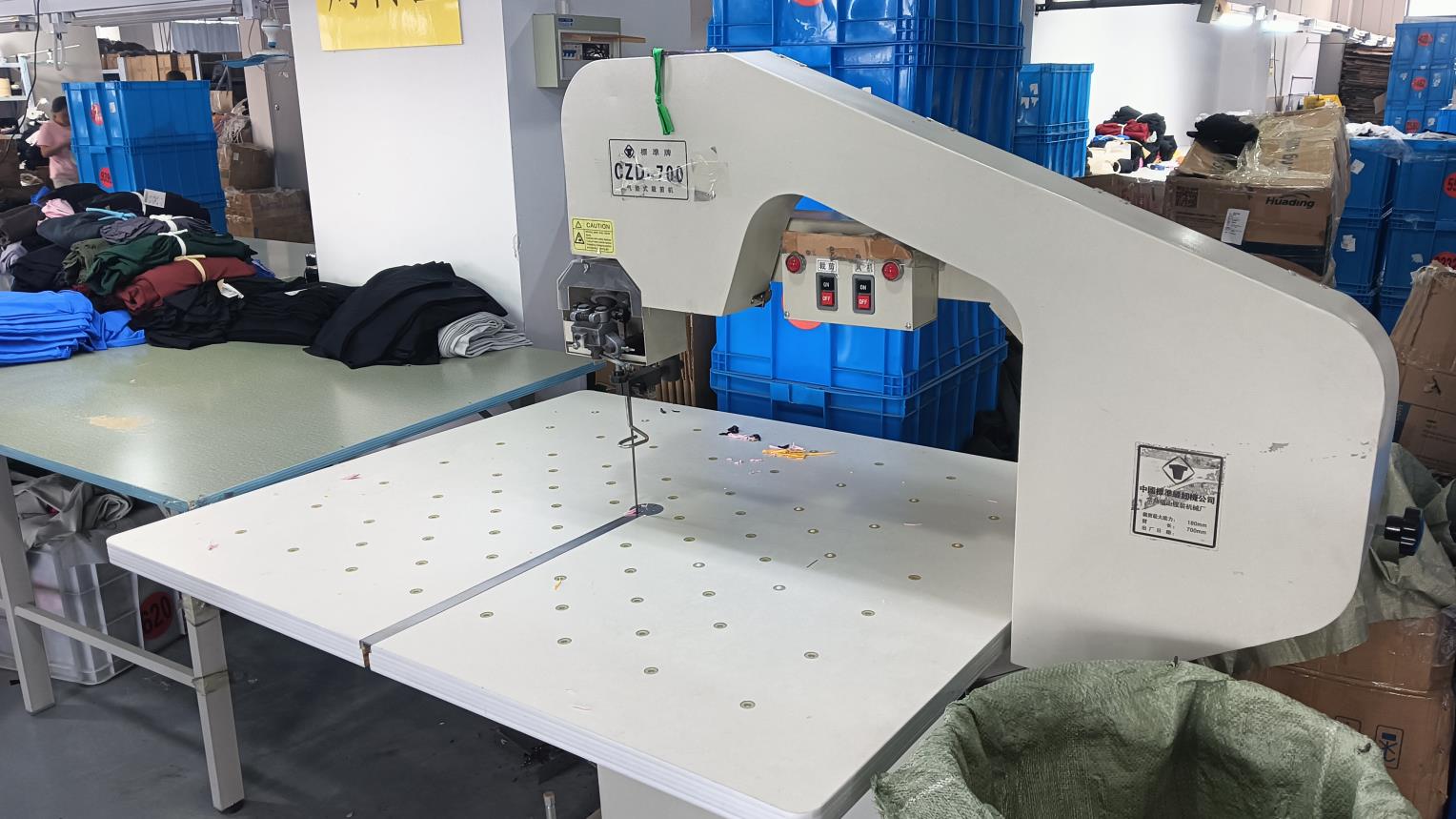
| High Waste Ratios | Automated nesting software paired with high-precision cutting machines. | Fabric yield optimized by 8-12%, leading to direct material cost reductions. |
| Slow Market Adaptation | Agile manufacturing systems built to adjust assembly lines to varying order volumes. | Reduced overstock risk and faster adaptation to social-media-driven fashion trends. |
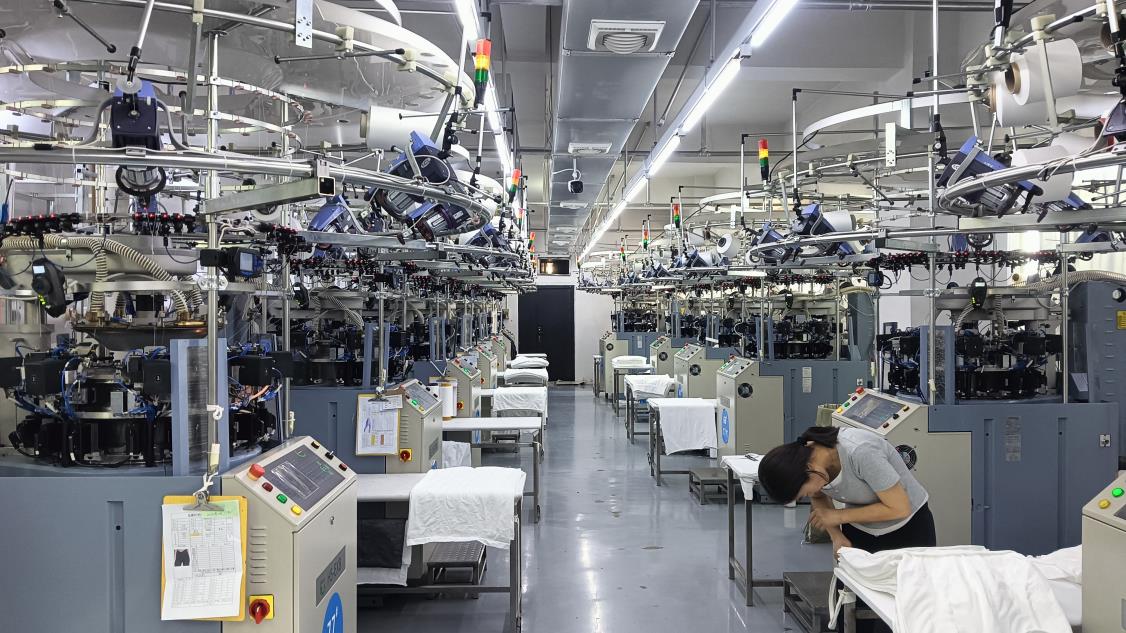
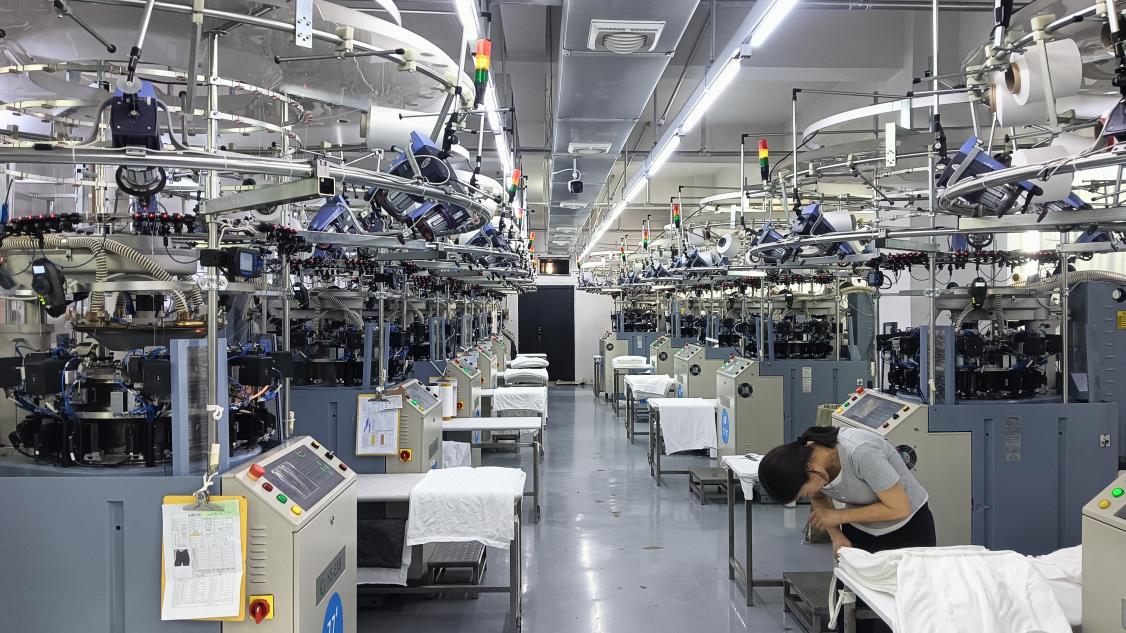
The future of ladies' casual pants manufacturing is digital and automated. Smart factories utilize cutting-edge technologies to guarantee structural repeatability, design precision, and resource conservation.
Modern loomed fabrics eliminate structural warp. Automated tension systems ensure uniform stretch, shape memory, and anti-sag performance in high-comfort casual pants.
Micro-cutter lasers trace along CAD blueprints to deliver clean cutting margins. This keeps dimensional variation under 1mm across size ranges.
Laser and ozone technology replaces water-intensive washing processes. It produces classic distressed and vintage casual finishes with up to 90% less water usage.
A Top Tier Chinese Apparel Exporter & Professional Garment Enterprise
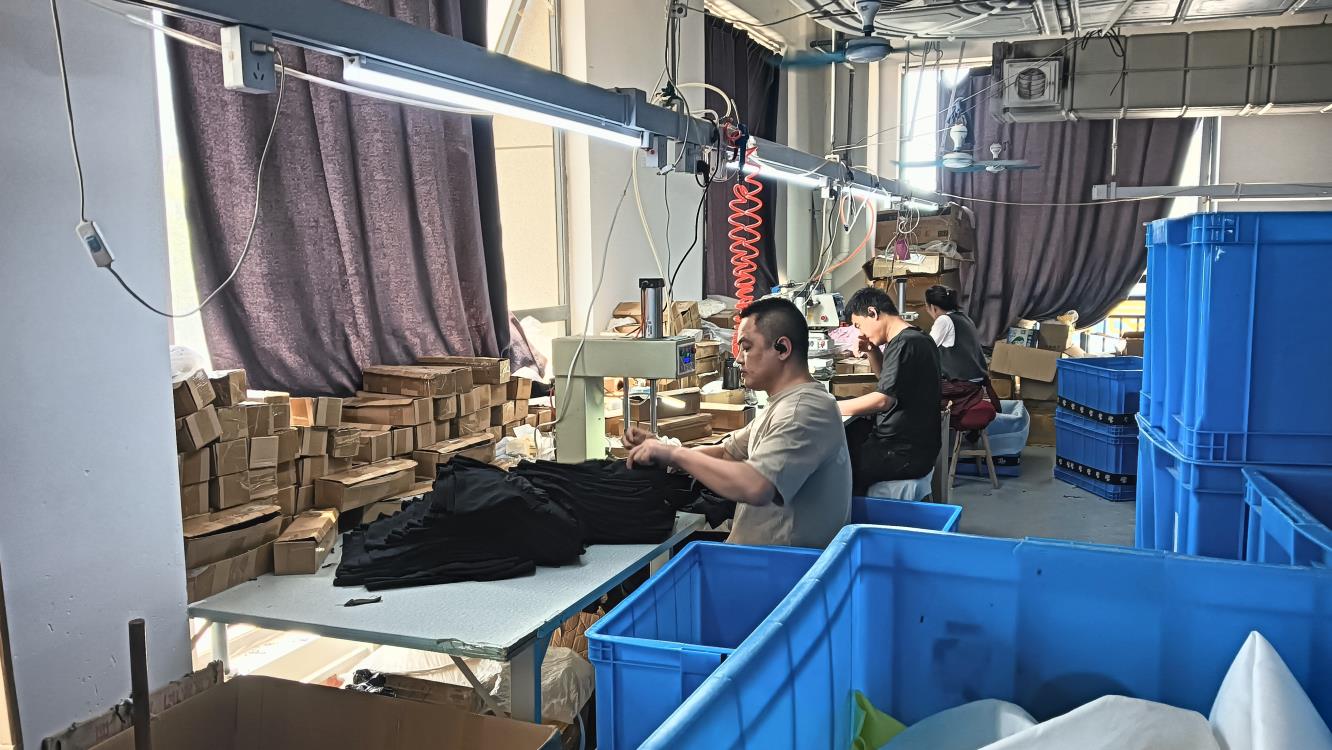
Established in May 2017 in Langfang City, Hebei Province, China, Langfang Díaz Fashion Co., Ltd. (registered capital of 1 million yuan) stands out as an elite partner for foreign trade apparel procurement. The company operates a fully integrated platform encompassing brand management, fashion design, research and development, manufacturing, and international trade.
Focusing heavily on craftsmanship, quality control, and natural design, Díaz Fashion strives to build modern, fashionable collections for the international apparel market. Their designs prioritize natural aesthetics, practicality, and clean silhouettes, meeting the demanding lifestyle expectations of consumers worldwide.
Guided by the core values of diligence, innovation, humility, and gratitude, Díaz Fashion focuses on a collaborative philosophy of co-creation, sharing, and win-win development. They have established a complete marketing and service network that efficiently reaches buyers across major global markets.
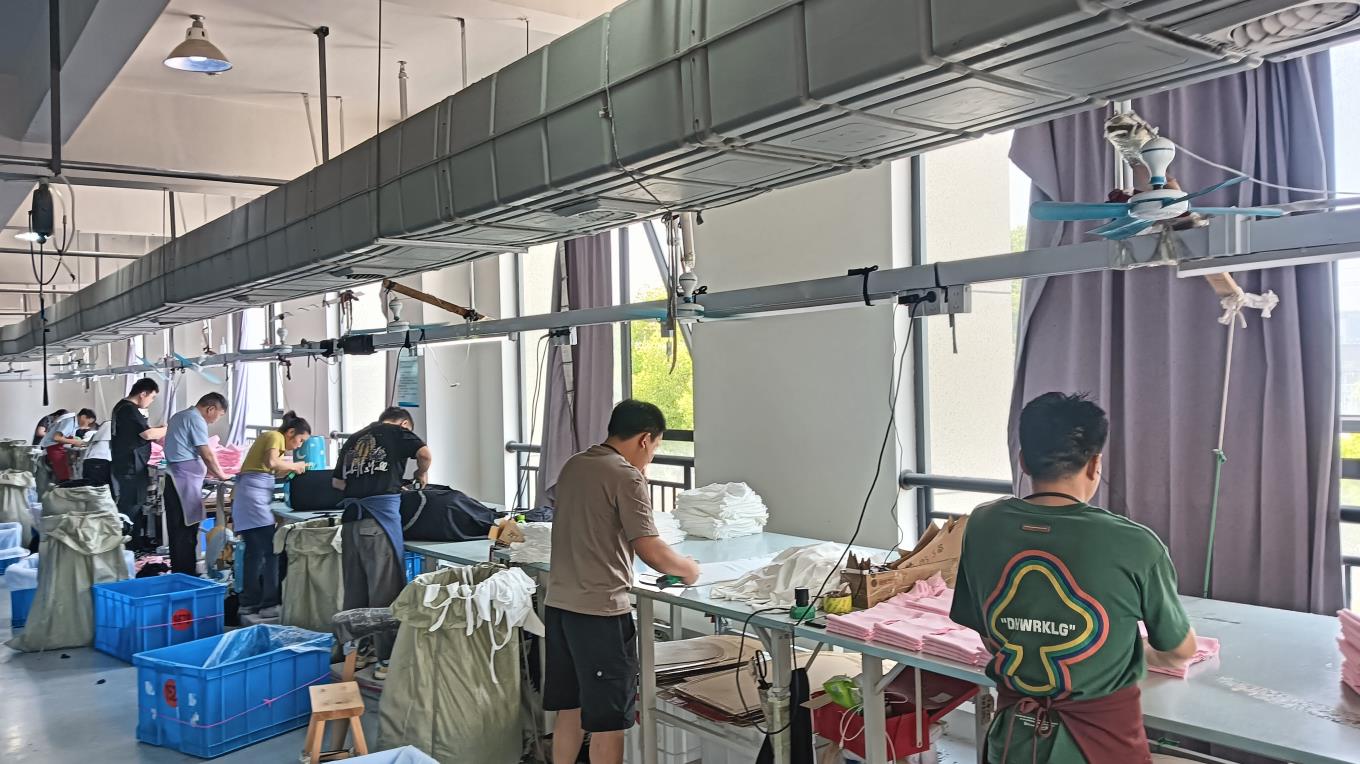
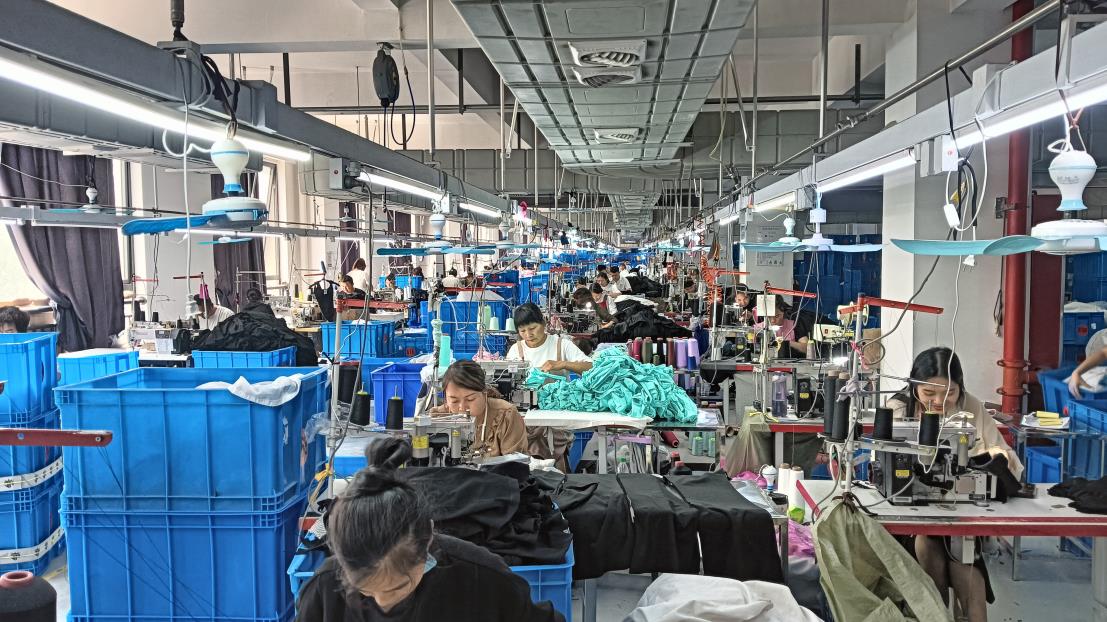
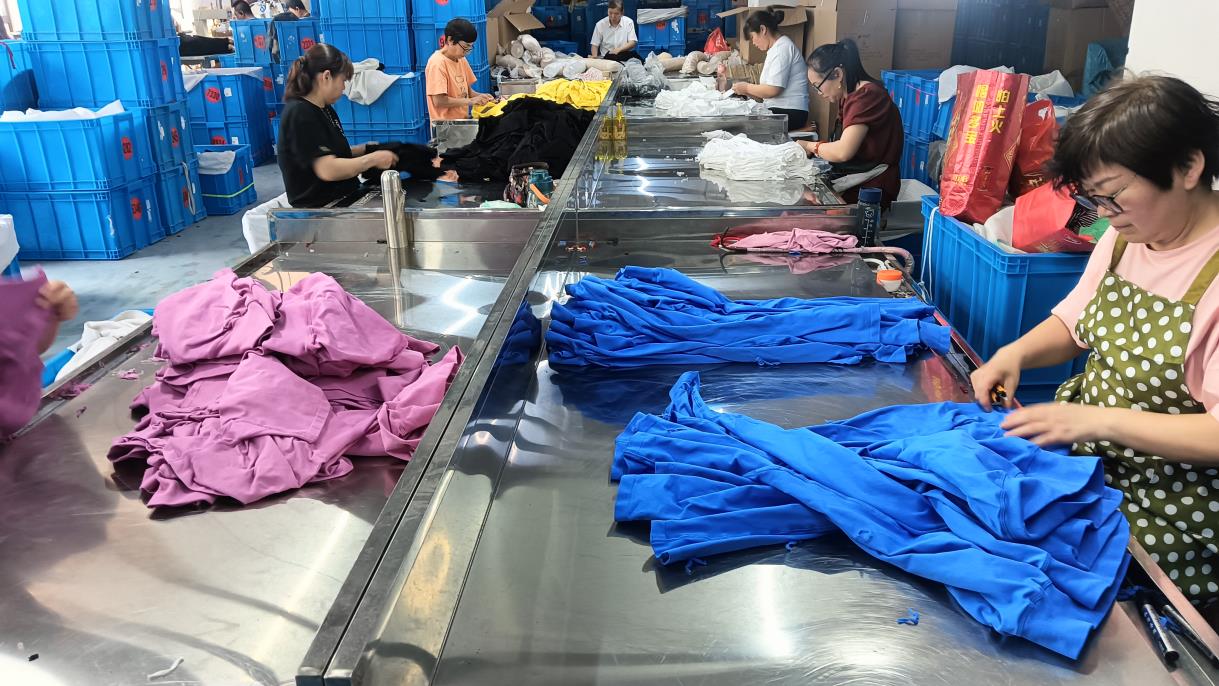
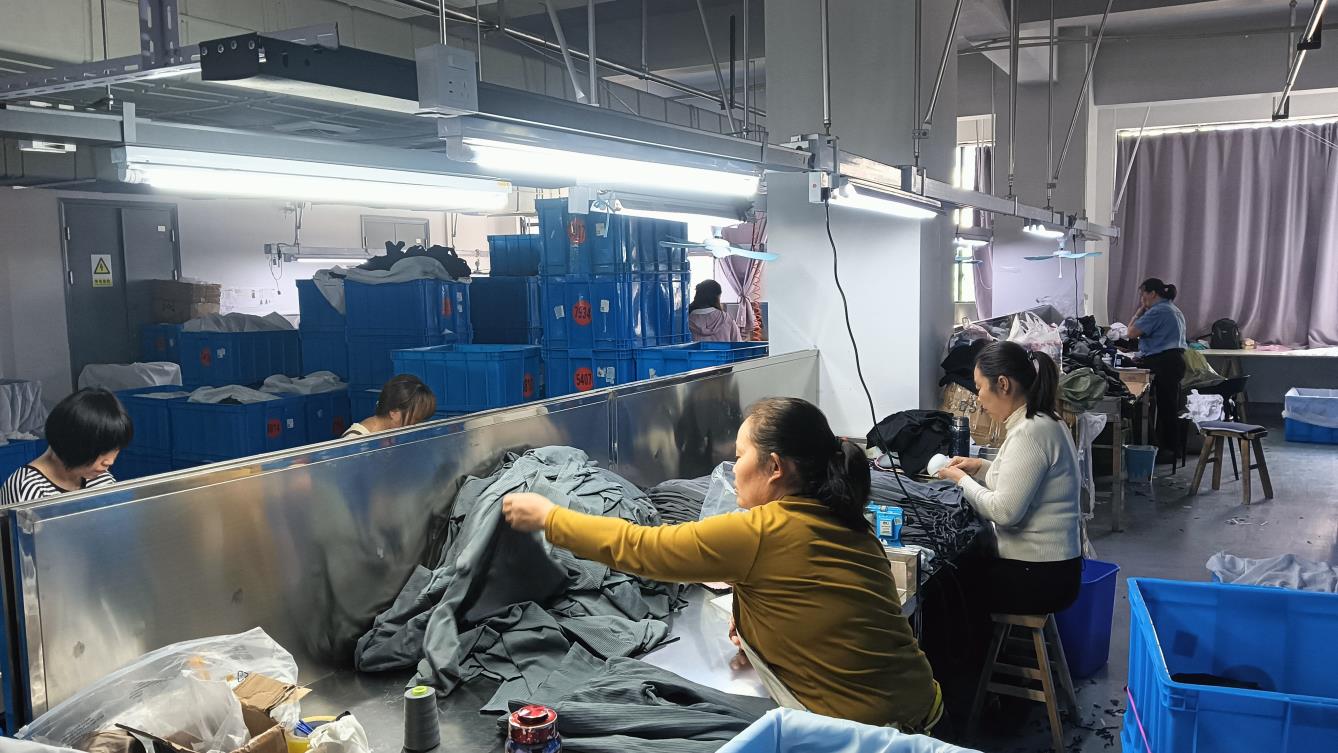
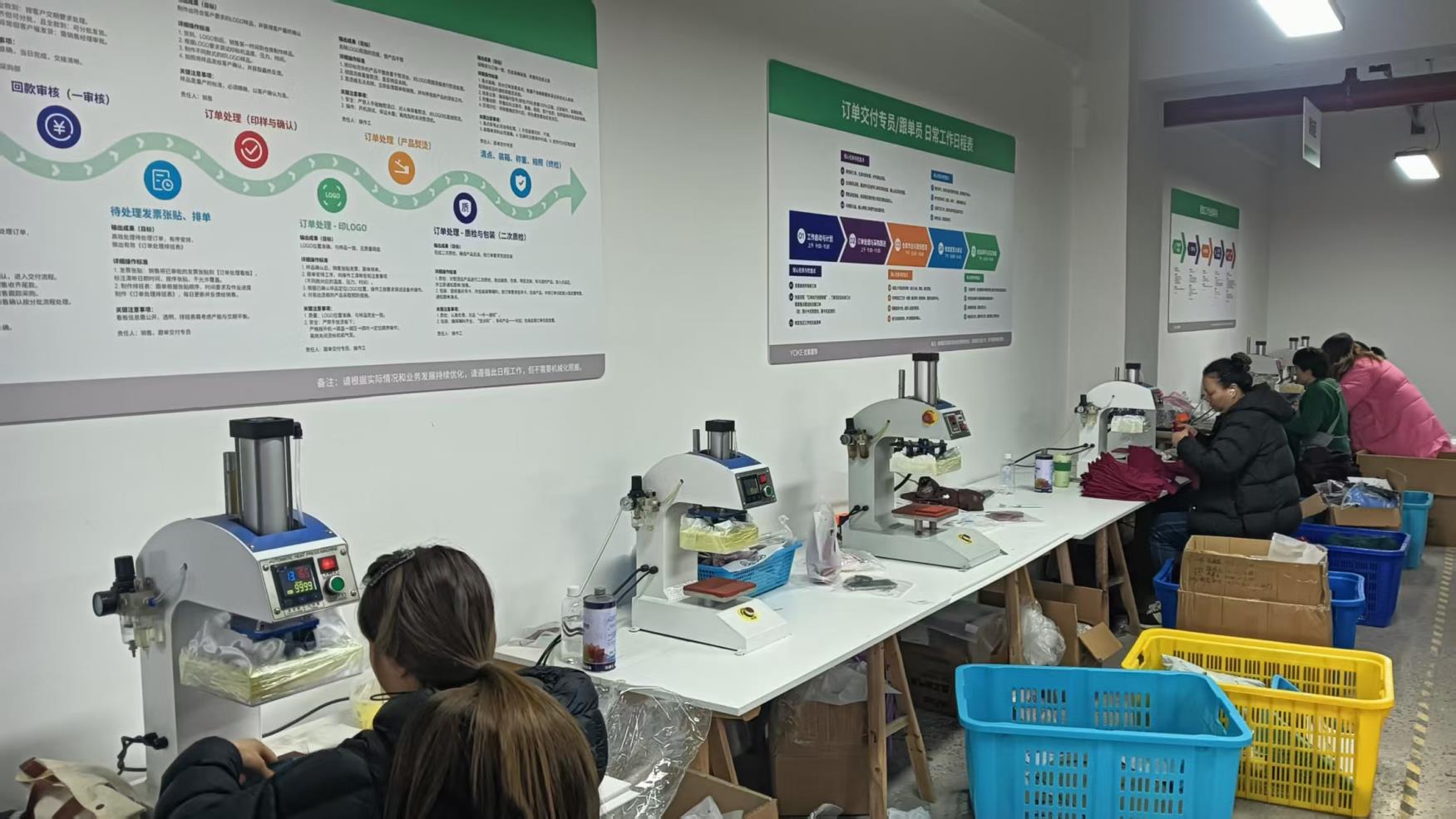
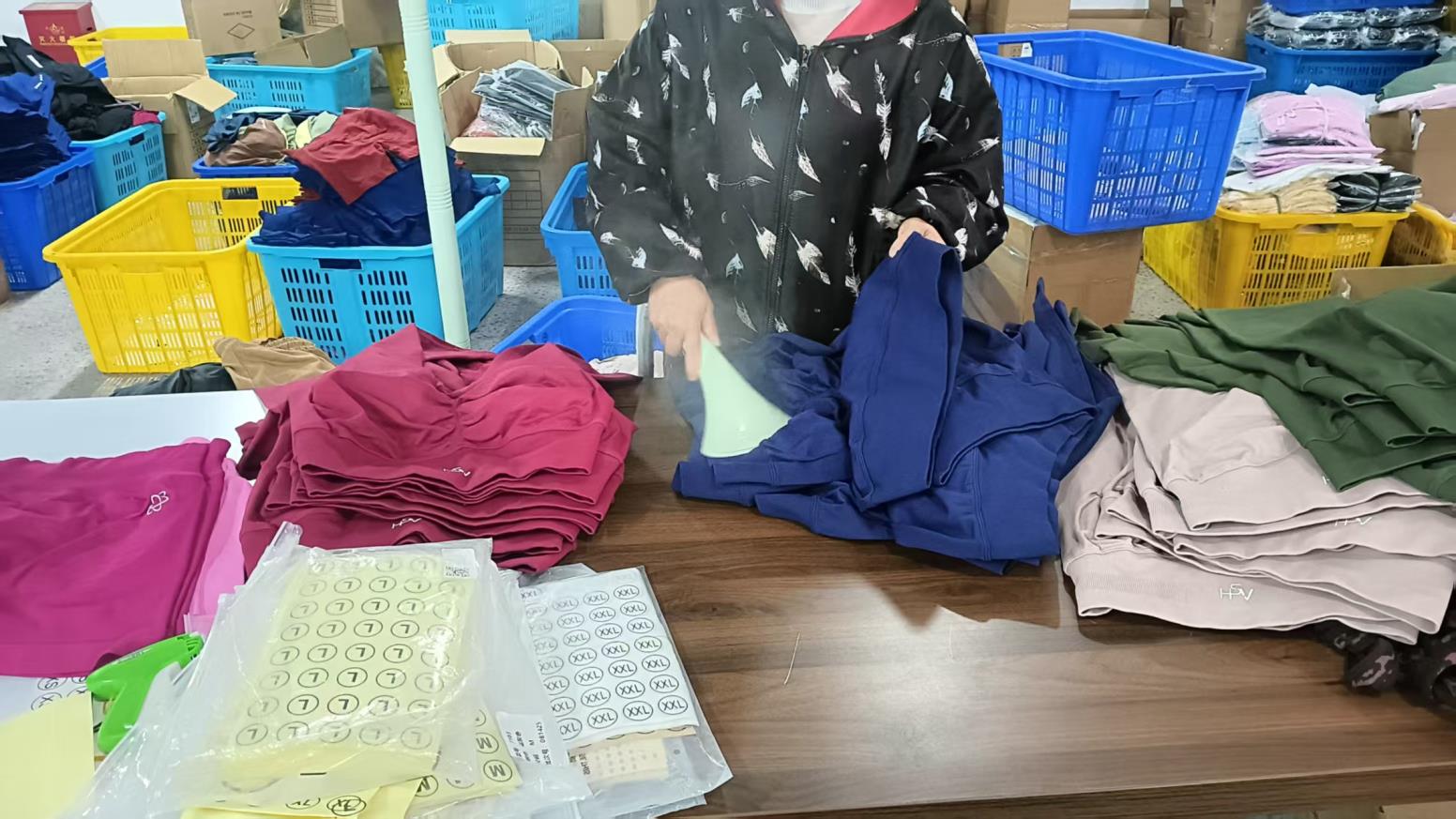
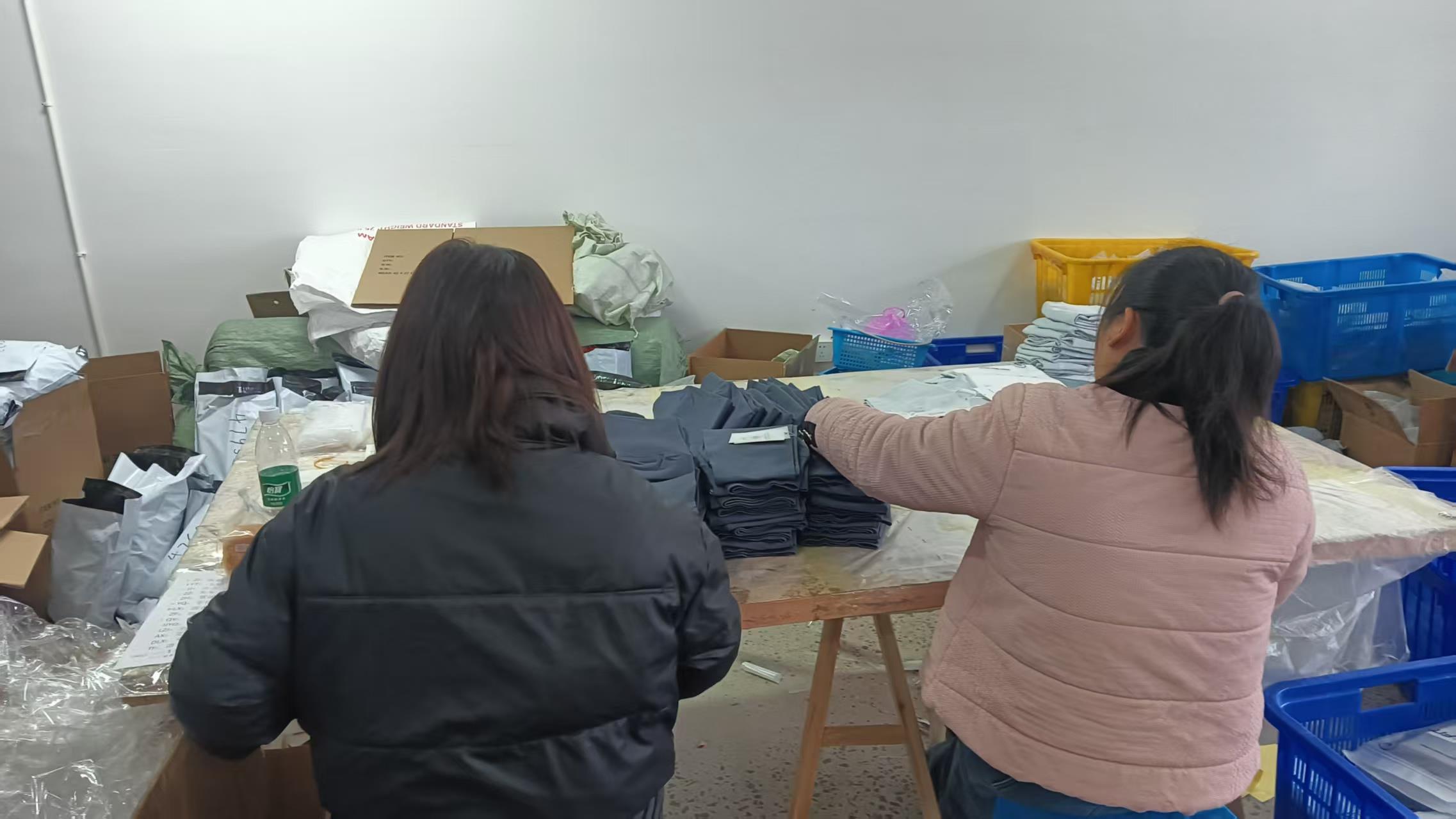
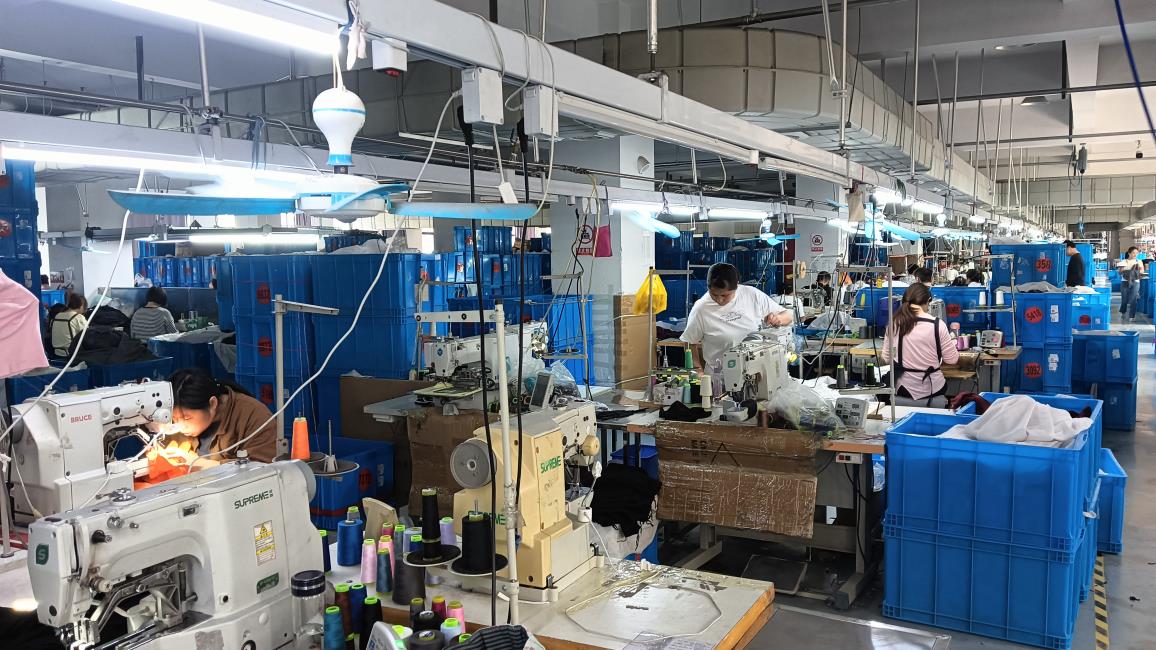
Selecting the right manufacturing location determines import duty rates, logistical timelines, and supply chain vulnerability. Understanding the differences between the world's leading apparel production hubs is essential for smart planning:
| Apparel Hub | Key Strengths & Production Clusters | Lead Times (To Europe / US East Coast) | Ideal Order Profiles |
|---|---|---|---|
| Hebei / Northern China | Strong supply chains, access to premium raw materials, automated production, and direct ports. | 22 - 30 Days (Ocean Freight) | High-end custom apparel, smart-casual pants, complex blends, and mid-to-large runs. | Vietnam | Favorable tariffs via free trade agreements (EVFTA) and skilled stitching workforce. | 28 - 35 Days (Ocean Freight) | High-volume activewear, standard utility pants, and basics. |
| Turkey | Close proximity to European retail markets and quick shipping capabilities. | 5 - 12 Days (Road/Short Sea Freight) | Fast fashion runs, highly customized seasonal capsules, and rapid re-orders. |
| Bangladesh | Very low labor costs and massive manufacturing infrastructure. | 35 - 45 Days (Ocean Freight) | Mass market basic denim, cotton trousers, and high-volume commodity goods. |
Exporting apparel to major global markets requires strict compliance with trade rules, testing standards, and environmental regulations. A failure to comply can lead to costly custom seizures, fines, and reputation damage.
Proper HTS code classification (such as Chapter 62 for woven apparel and Chapter 61 for knitted items) is essential. High-quality manufacturers ensure proper invoices, declarations of origin, and packing lists to expedite customs clearance.
Fabric testing must confirm the absence of banned substances. Materials must pass independent laboratory assessments to comply with European Union REACH rules and US California Proposition 65 requirements.
Major brands require transparent production facilities. Choosing factories with regular third-party audits (like BSCI, WRAP, or SMETA) confirms fair pay, safe conditions, and clean operations.
Find answers to common questions about ladies' casual pants production, quality assurance, and international logistics.
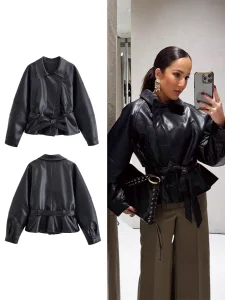
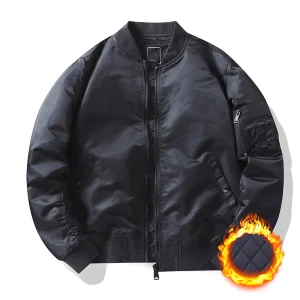
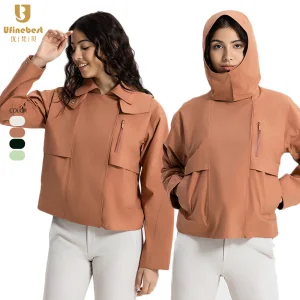
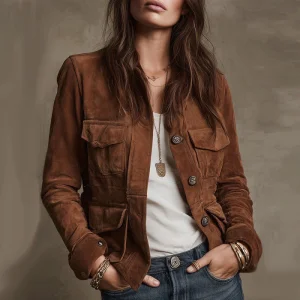
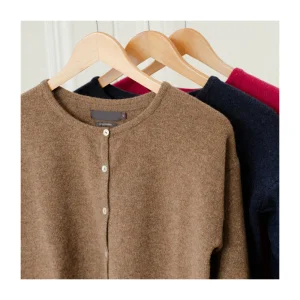
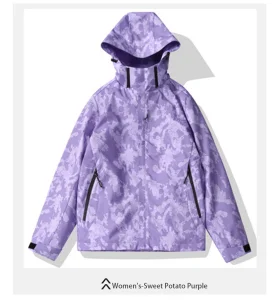
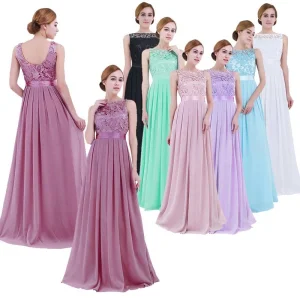
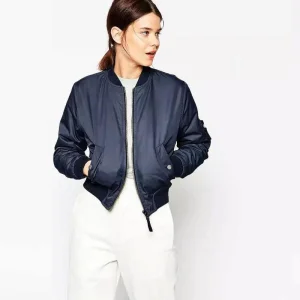
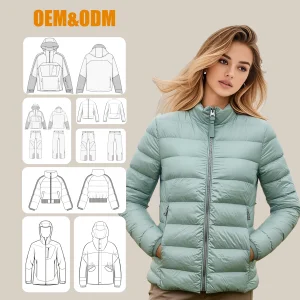
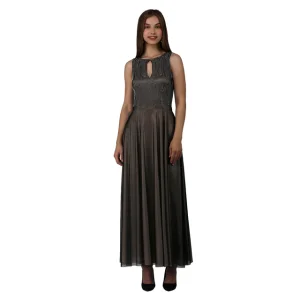
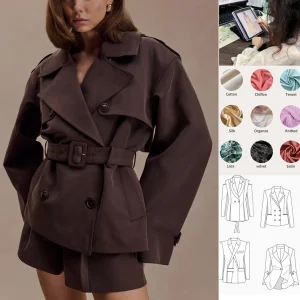
View our complete line of jackets, blazers, evening gowns, and outdoor outerwear, manufactured under strict quality standards.
 Díaz Fashion