Engineered for technical functionality, weather protection, and contemporary enterprise standards.
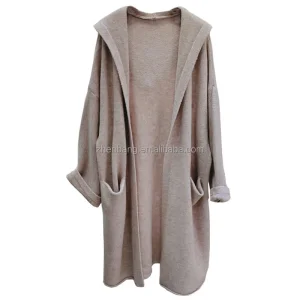
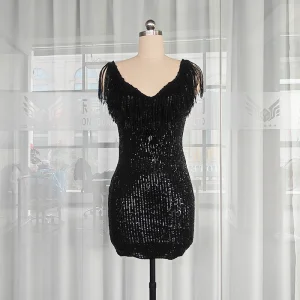
The global market for ladies' workwear, executive office attire, and industrial female protective apparel has undergone a structural paradigm shift over the past decade. Historically relegated to downsized variations of male silhouettes, contemporary women's workwear demands sophisticated ergonomic tailoring, advanced textile engineering, and strict adherence to international safety and sustainability standards. Global procurement executives, brand owners, and enterprise buyers are prioritizing suppliers capable of delivering high Information Gain—offering proprietary fabric technology, flexible manufacturing minimums (MOQs), dynamic supply chain resilience, and localized compliance guarantees.
This comprehensive whitepaper serves as an authoritative benchmark for evaluating the Top 10 Ladies' Workwear Suppliers & Exporters globally. By combining deep empirical data, textile engineering roadmaps, localized market insights, and manufacturing process transparently, this guide equips enterprise sourcing managers with actionable intelligence to optimize procurement workflows, minimize tariff exposure, and achieve ESG compliance.
How leading global manufacturers are leveraging material science and 3D anthropometric data to redefine female workwear.
Traditional workwear relied on boxy, scaled-down male patterns. Modern leaders utilize 3D body scanners and dynamic kinetic darting to accommodate female anatomy, offering full range of motion without sacrificing structural style or professional elegance.
Integration of 4-way mechanical stretch fabrics, moisture-wicking micro-polyesters, anti-microbial silver-ion treatments, and water-repellent DWR (Durable Water Repellent) coatings ensuring all-day comfort in harsh industrial or corporate settings.
Top-tier exporters are transitioning to GRS-certified (Global Recycled Standard) recycled polyester, organic cotton blends, and PFC-free membranes to help enterprise client bases meet stringent Scope 3 carbon reduction targets.
Industrial Infrastructure, Agile OEM/ODM Capabilities, and Quality Assurance Ecosystem
Established in May 2017 in Langfang City, Hebei Province, China—positioned strategically within the Jing-Jin-Ji economic hub—Langfang Díaz Fashion Co., Ltd. has rapidly emerged as a premier manufacturer and exporter in the international women’s apparel market. Operating with a registered capital of 1 million yuan, Díaz Fashion represents a modern apparel enterprise that seamlessly integrates brand management, modern fashion design, technological research and development, automated production, and direct international trade logistics.
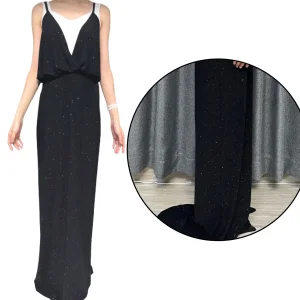
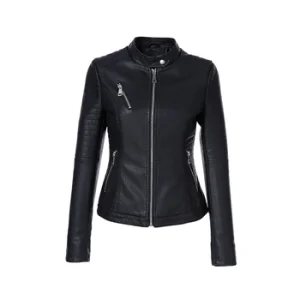
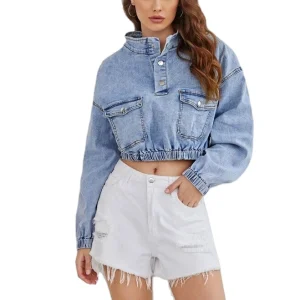
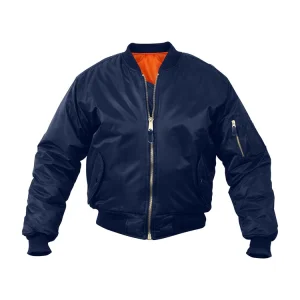
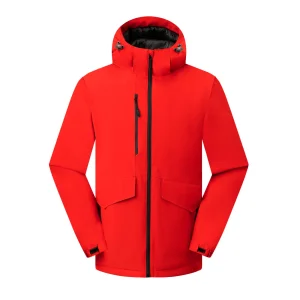
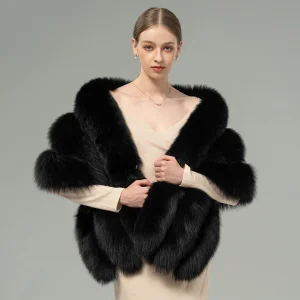
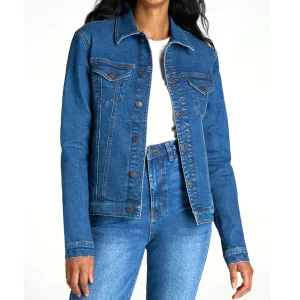
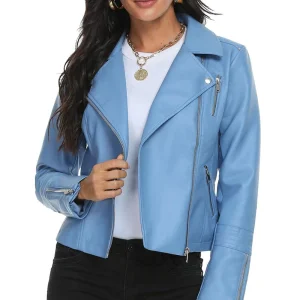
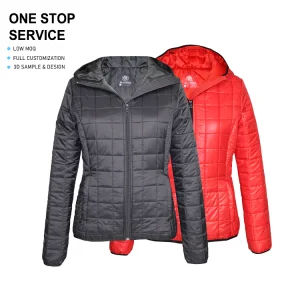
Díaz Fashion specializes in a diverse range of high-demand women’s clothing categories, including technical outer garments, functional winter coats, modern corporate dress wear, lightweight knitwear, and custom promotional jackets. Guided by the corporate vision of “creating a fashionable and comfortable quality lifestyle for customers,” the company prioritizes structural durability, natural aesthetic elegance, precise ergonomic fit, and cost-effective volume manufacturing.
Langfang Díaz Fashion operates under the core values of diligence, innovation, humility, and gratitude. By fostering a cooperative business framework grounded in co-creation, sharing, and win-win development, the enterprise maintains an adaptive marketing and service architecture catering to Tier-1 importers across North America, Western Europe, and Asia-Pacific.
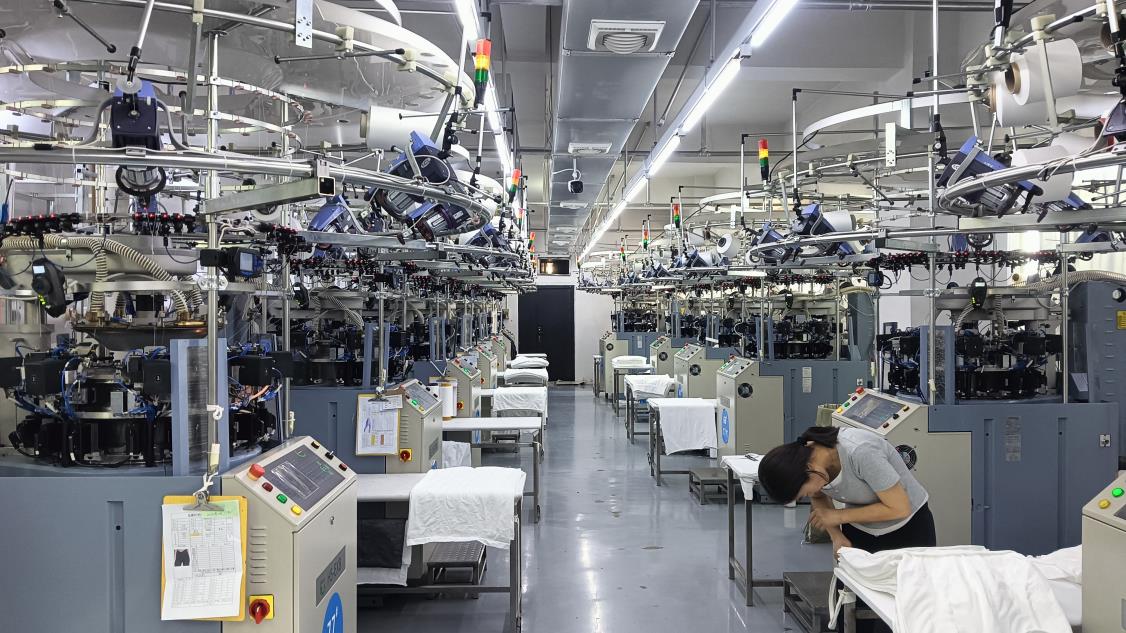
To ensure absolute quality control, vertical supply integration, and rapid lead-time execution, Díaz Fashion operates state-of-the-art specialized machinery across all phases of apparel creation. Below is a detailed view of the factory unit operations:
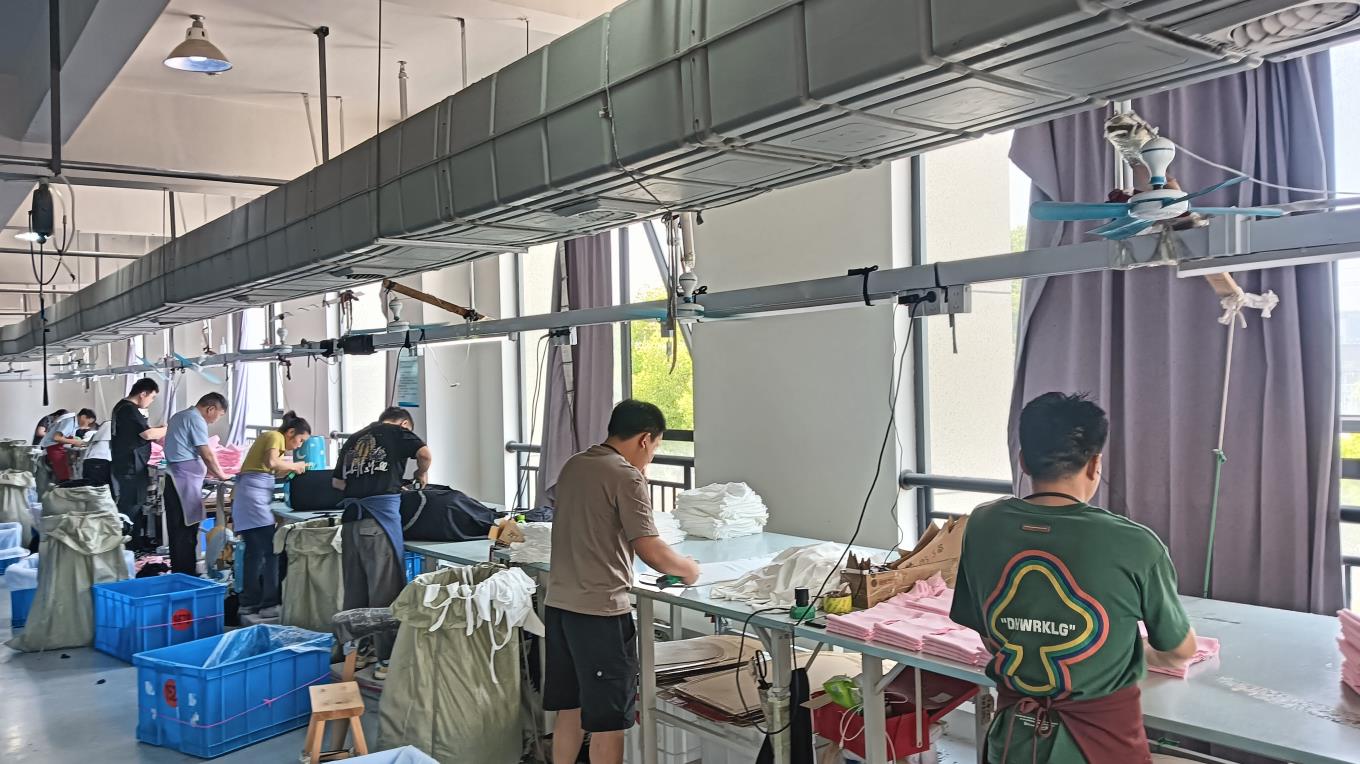
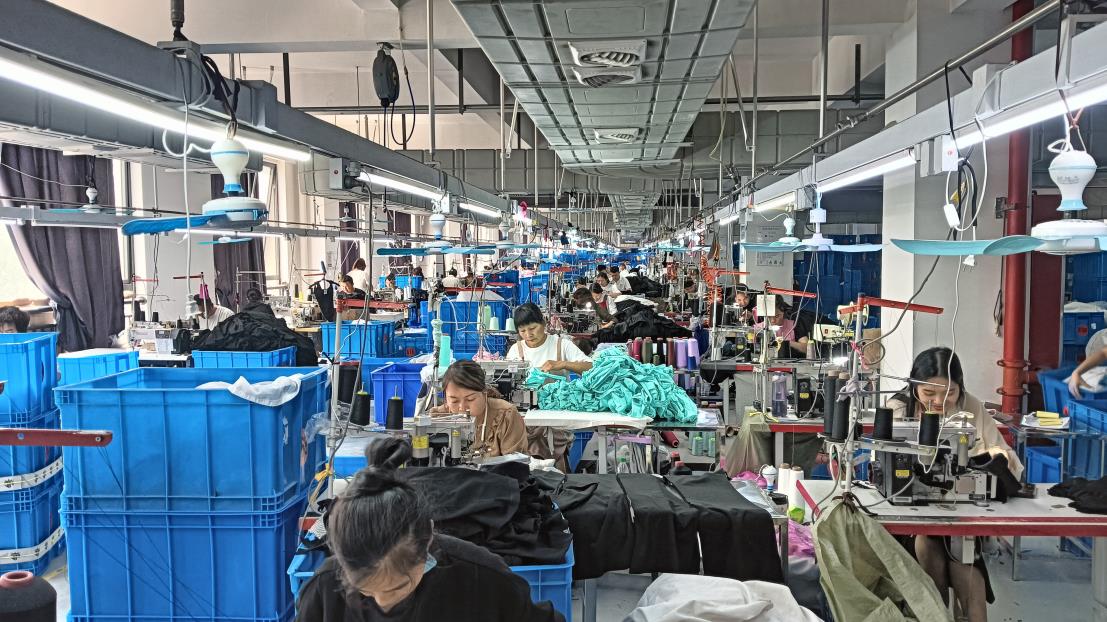
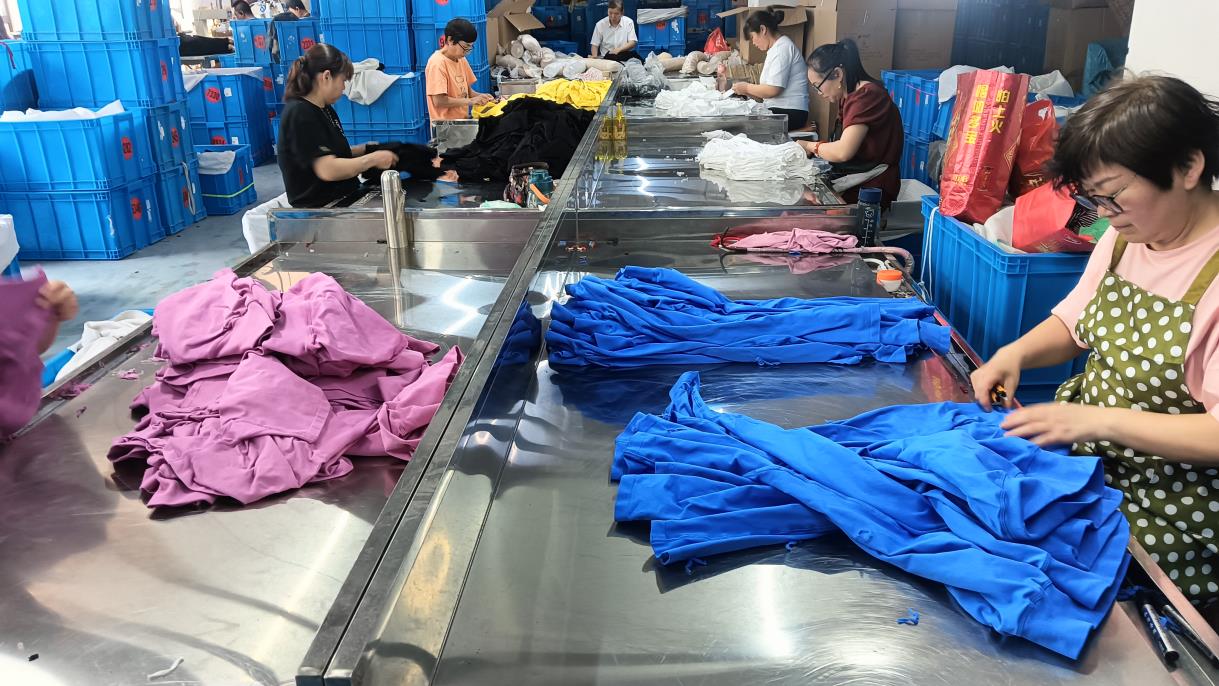
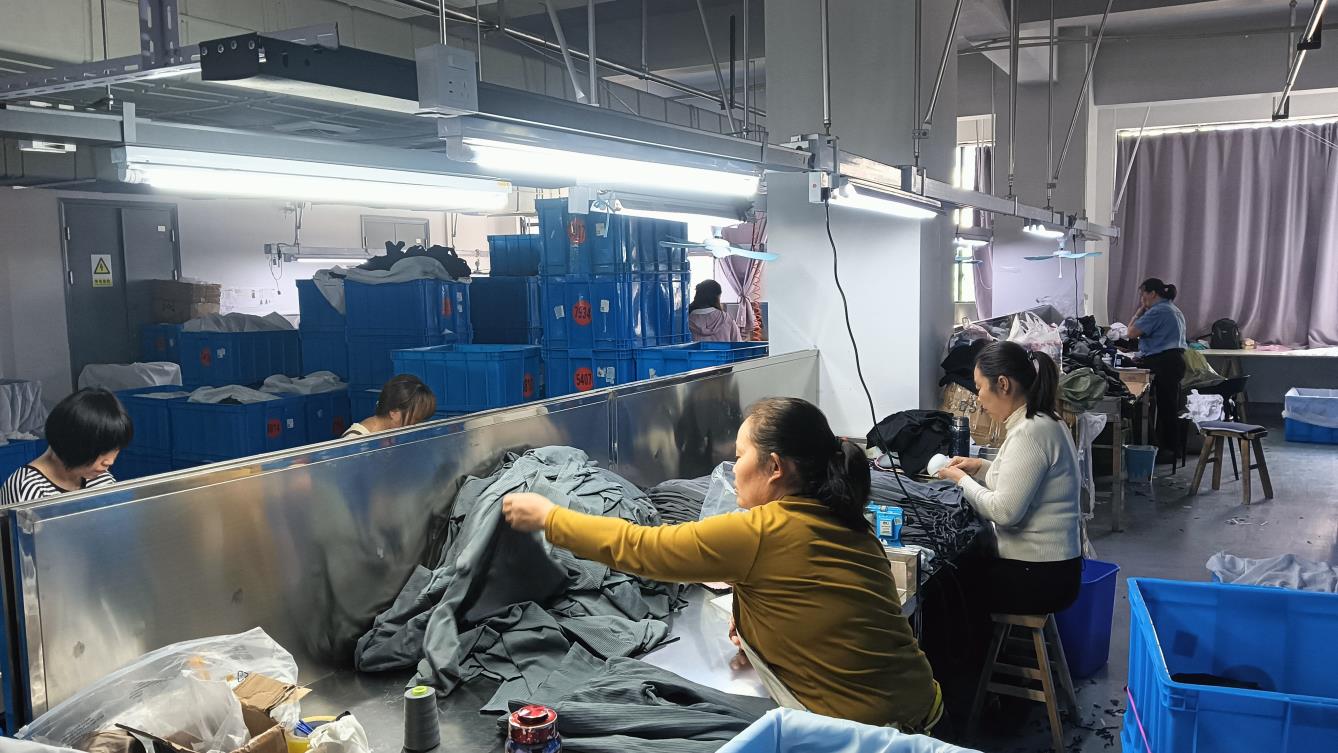
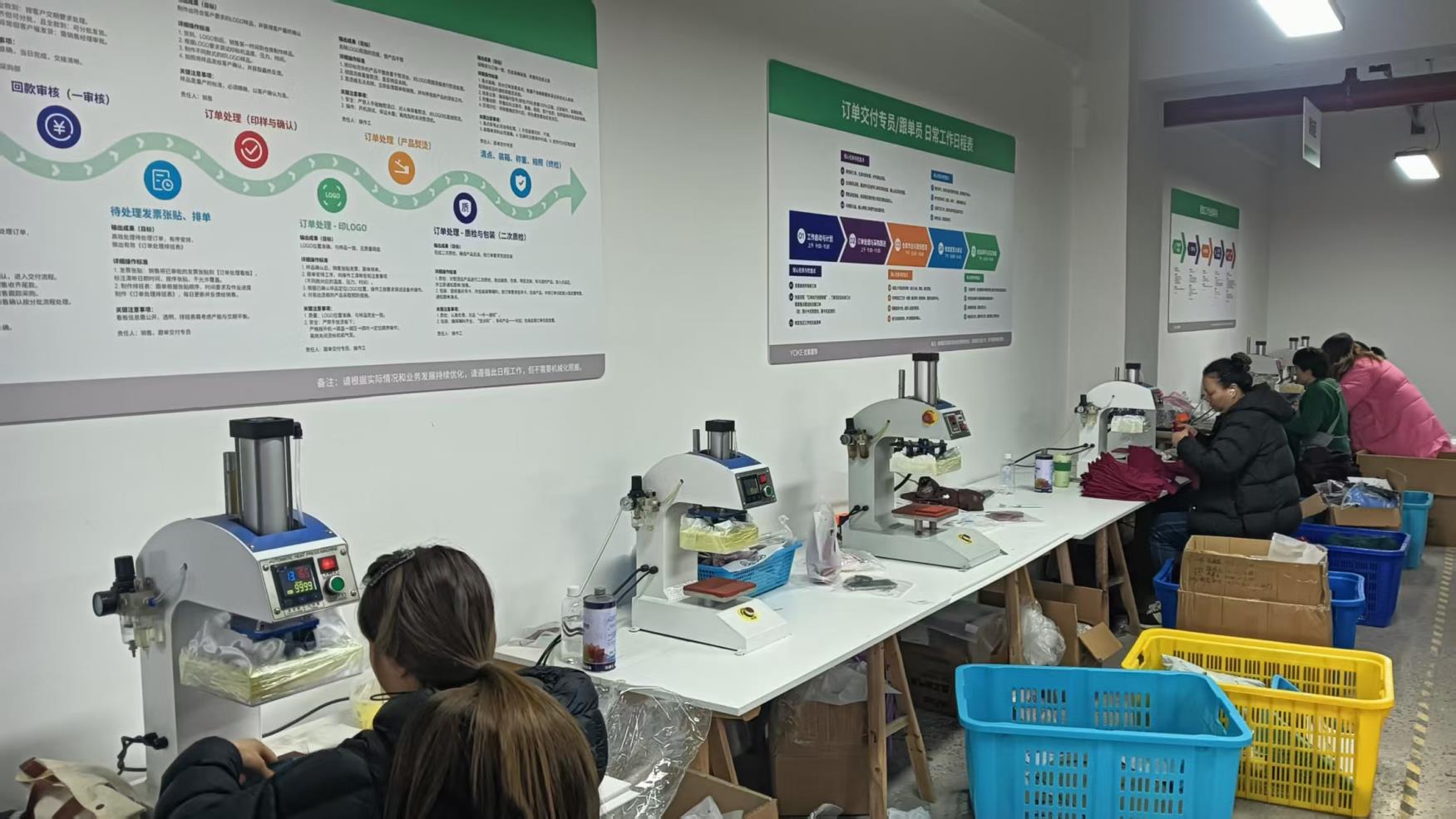
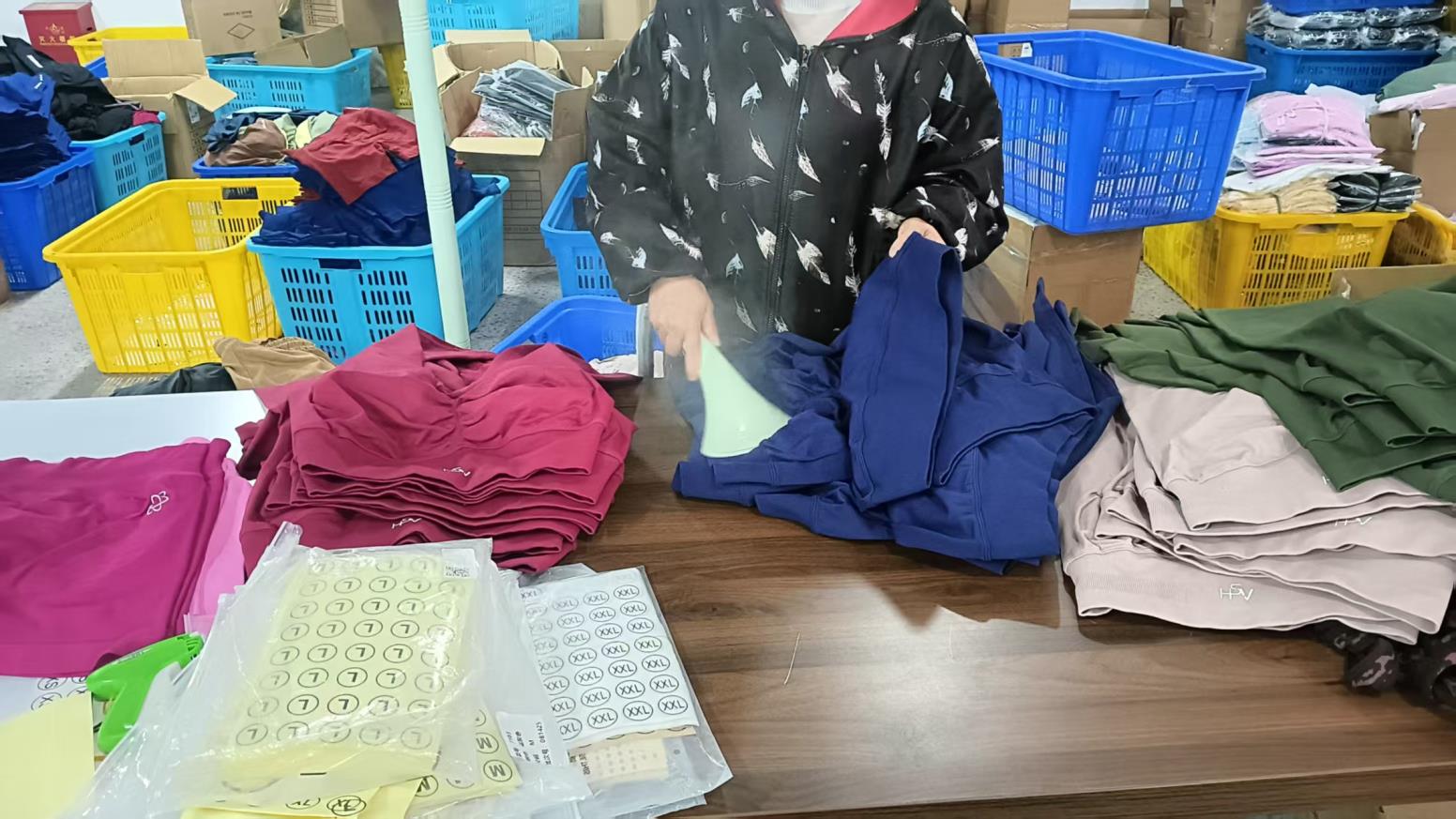
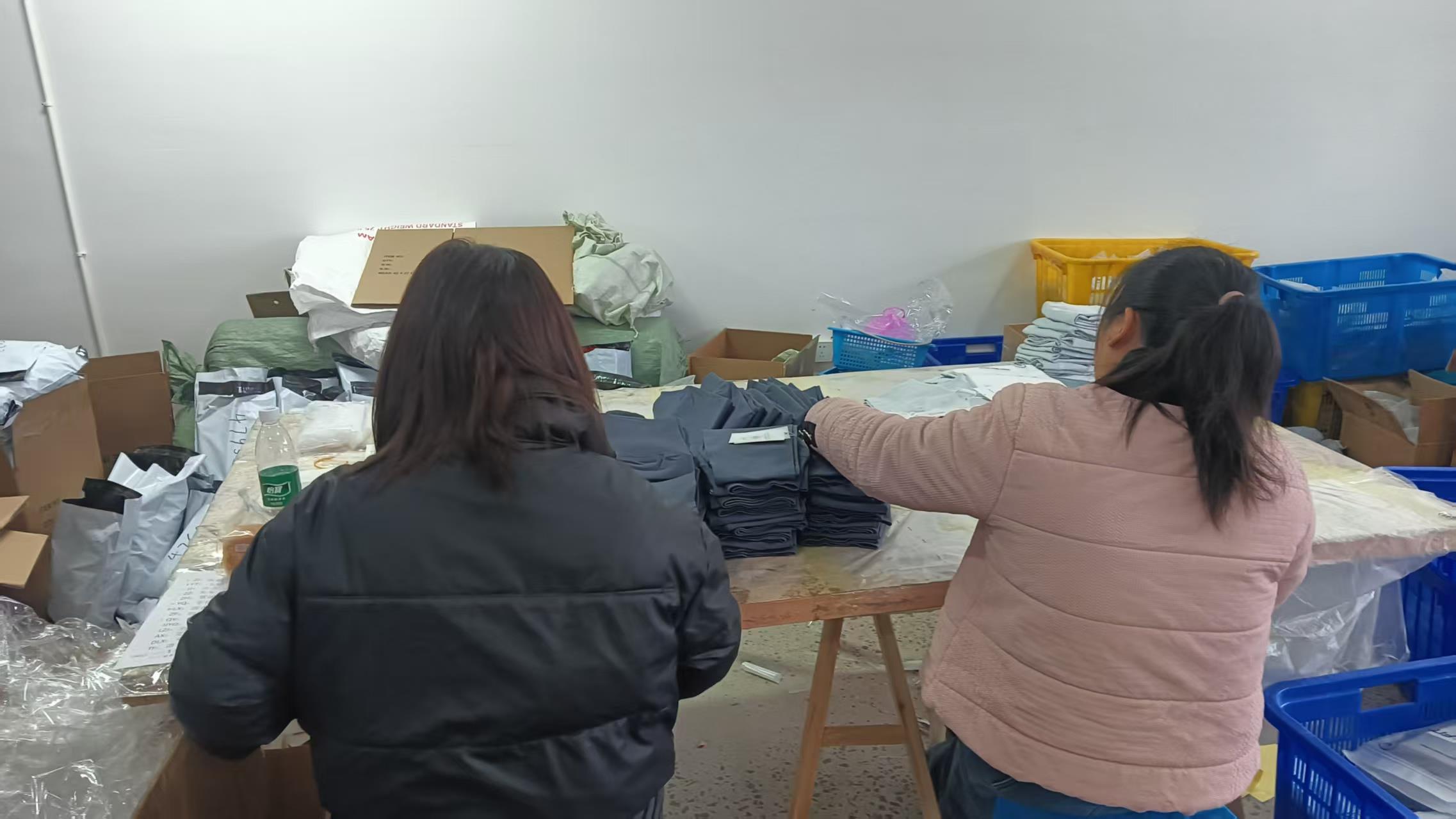
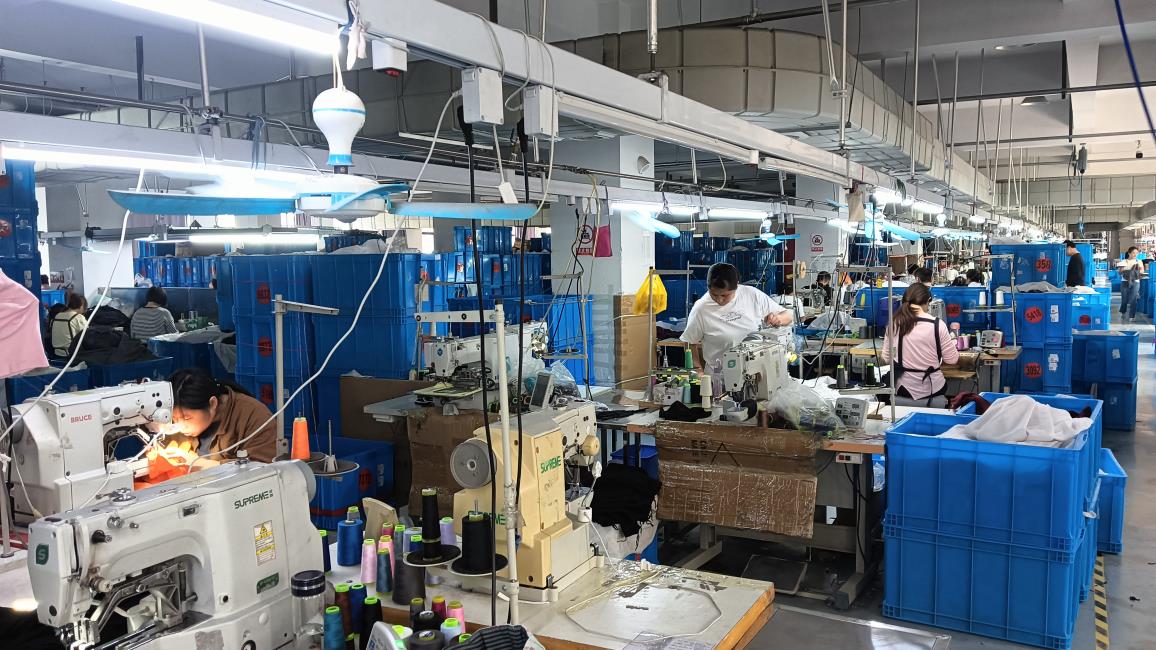
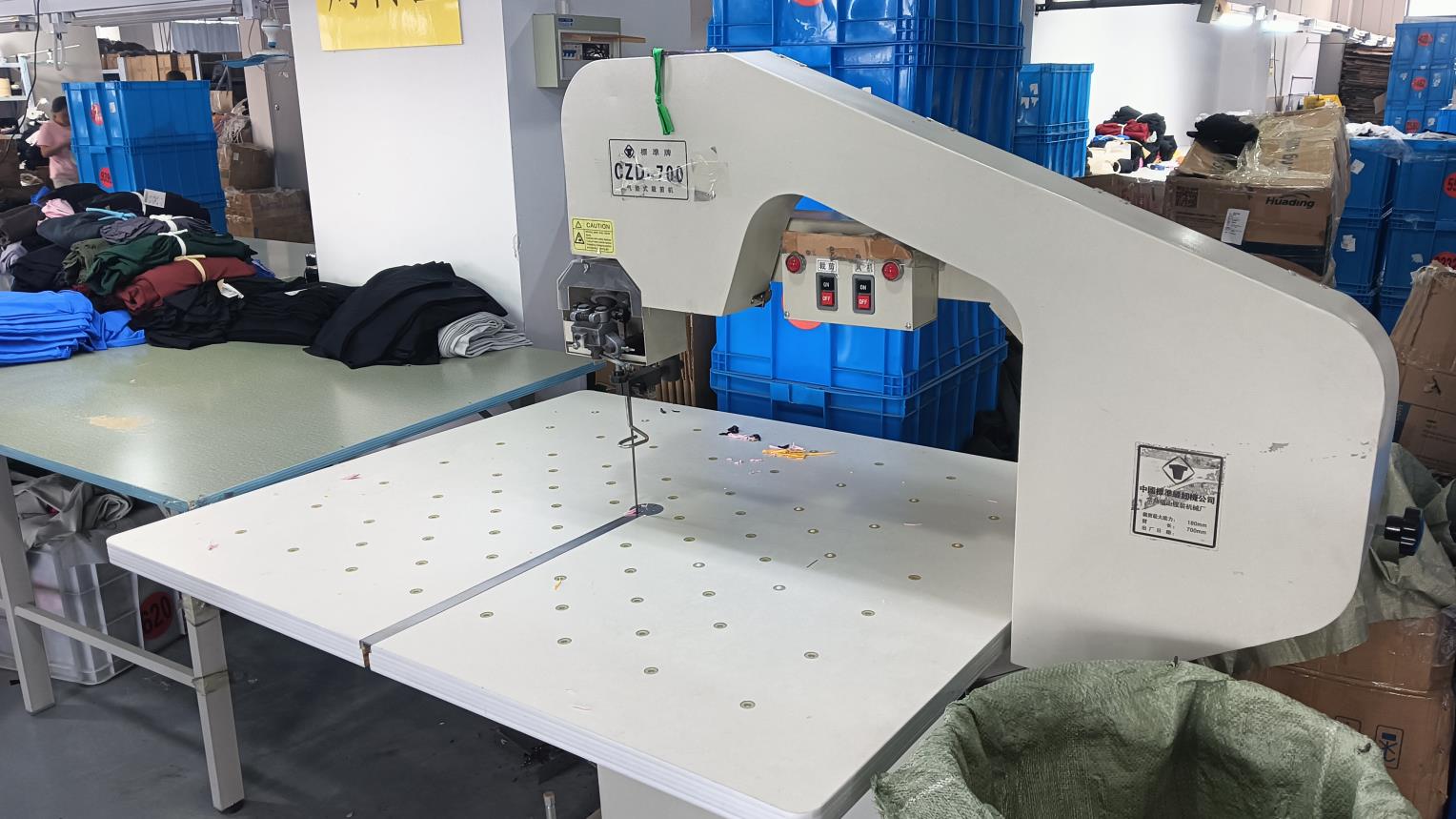
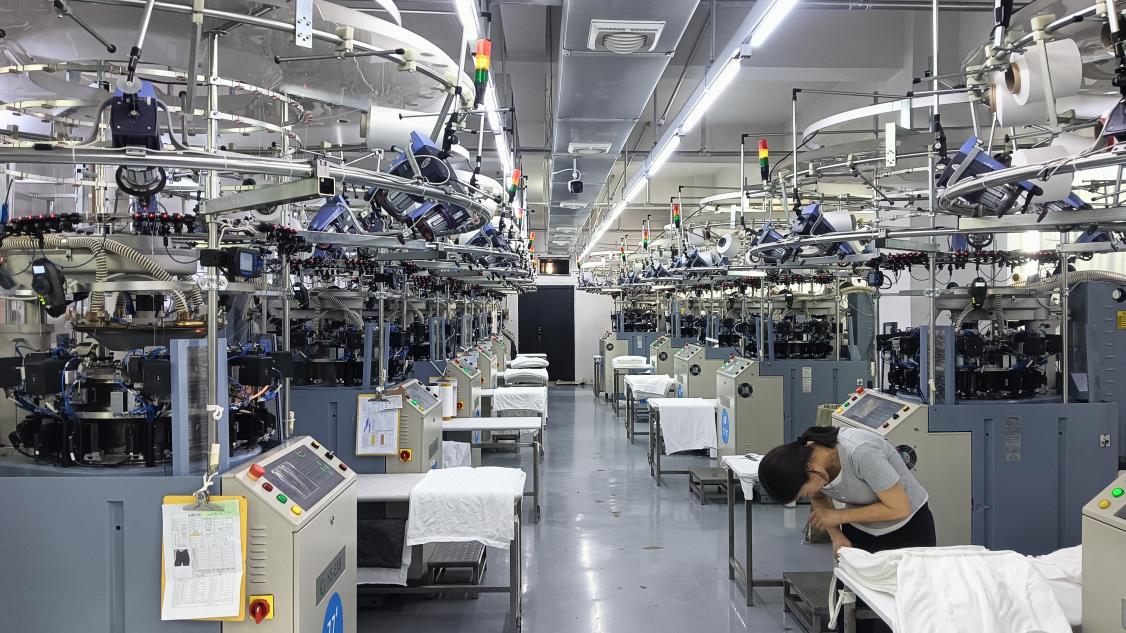
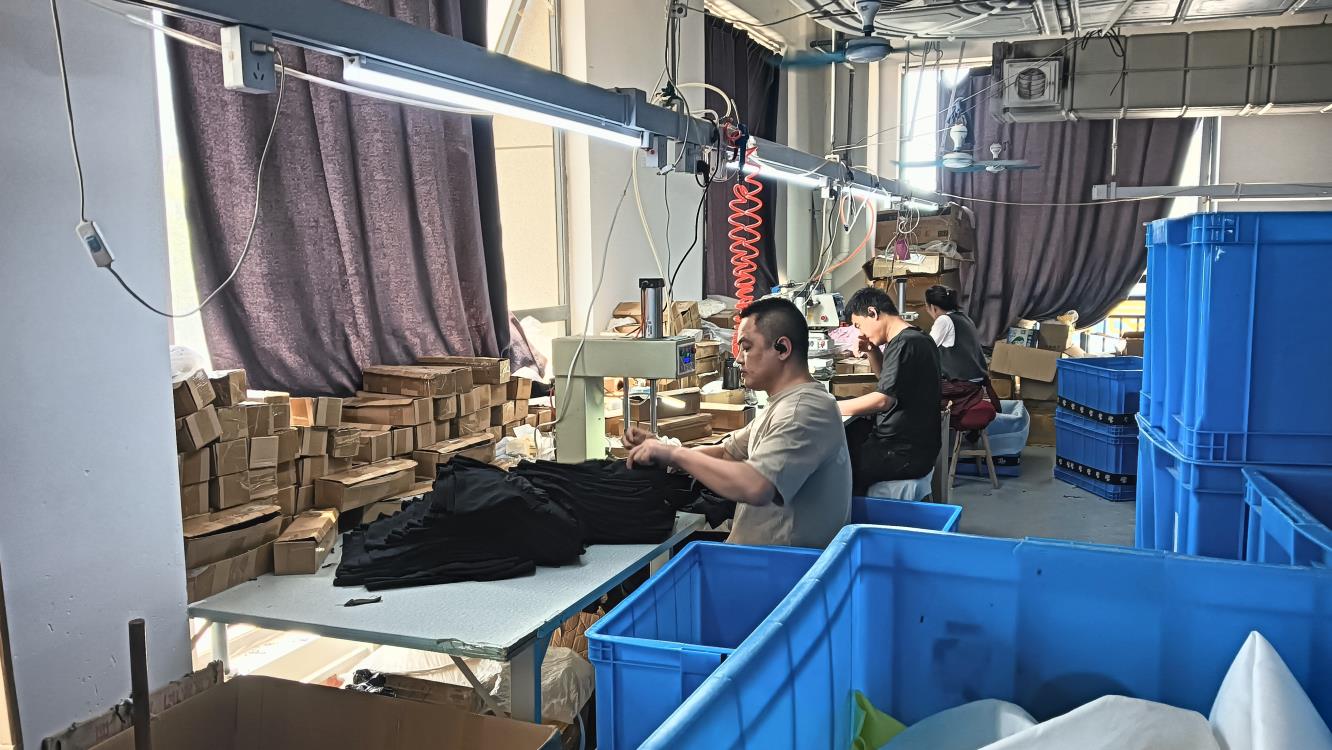
Tailored garment specifications designed to satisfy unique sector regulations and local climate demands worldwide.
Primary Regions: North America, Western Europe, Japan.
Key Requirements: Wrinkle-free poly-viscose blends, classic double-breasted trench cuts, breathable linings, elegant color palettes. Designed for multi-climate business travel and boardroom comfort.
Primary Regions: Northern Europe, Canada, Australia.
Key Requirements: EN ISO 20471 compliance, high-visibility reflective taping, heavy-duty softshell windbreakers, waterproof seam-taped down puffers, flame-retardant finishes for utility workers.
Primary Regions: Middle East (GCC), Southeast Asia, Southern Europe.
Key Requirements: Stain-resistant finishes, stretch knit cardigans, elegant summer maxi cuts, anti-static linings for air-conditioned indoors, light-weight genuine leather accents for luxury venues.
China remains the undisputed epicenter of technical apparel manufacturing due to its complete vertical ecosystem. Manufacturers based in key apparel industrial clusters like Hebei leverage direct proximity to raw material yarn mills, specialized dye houses, automated trim factories, and major deep-water ports (such as Tianjin and Qingdao). This geographic density dramatically reduces procurement lead times compared to emerging South Asian hubs.
Furthermore, Chinese suppliers have integrated advanced AI pattern-cutting algorithms, digital fabric inspection systems, and flexible lean production lines. This allows factories like Langfang Díaz Fashion Co., Ltd. to execute low-MOQ sample runs rapidly while maintaining the scalability to ship multi-container orders without quality degradation.
Rigorous parameters employed by enterprise buyers to vet global ladies' workwear exporters.
When selecting a top-tier manufacturing partner from global exporters, corporate procurement departments rely on a multi-dimensional scoring audit. Below is the framework defining industry leadership:
Ensuring seamless international customs clearance, zero toxicity, and sustainable corporate alignment.
Modern garment export requires navigating complex non-tariff regulatory barriers. Leading exporters provide full documentation kits to ensure smooth import clearance across major market jurisdictions:
Compliance with FTC fiber content labeling regulations, CPSIA safety standards, ASTM flammability guidelines, and section 307 supply chain origin tracing documentation.
Strict adherence to REACH Annex XVII chemical restrictions, EU Eco-Design directives, micro-plastic shedding reduction protocols, and CE marking for personal protective equipment (PPE).
Alignment with GB/T national standards in China, JIS standards in Japan, and GSO customs documentation requirements in the Gulf Cooperation Council markets.
Expert answers to common commercial, technical, and logistics inquiries from global buyers.
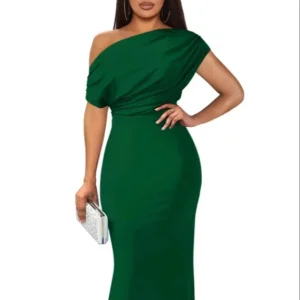
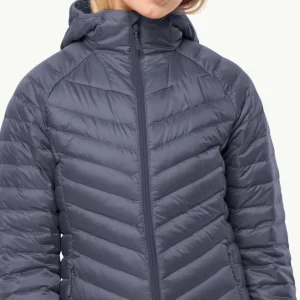
Premium outerwear, versatile trench coats, softshells, and executive evening attire for international wholesale.

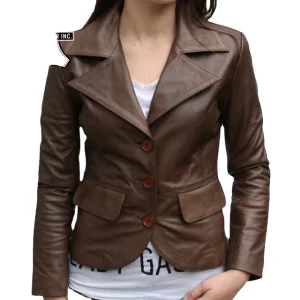
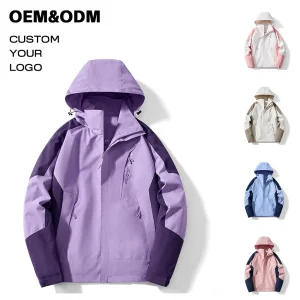
 Díaz Fashion