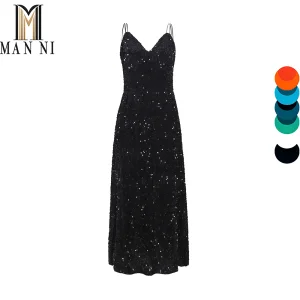
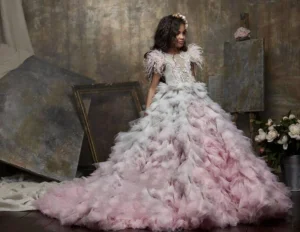
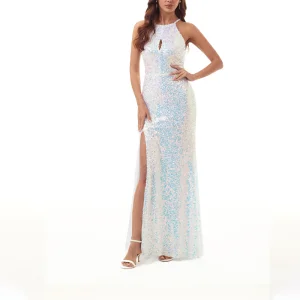
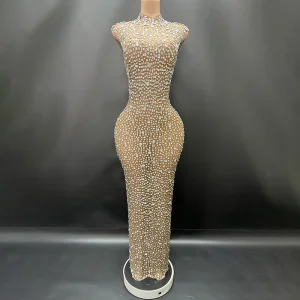
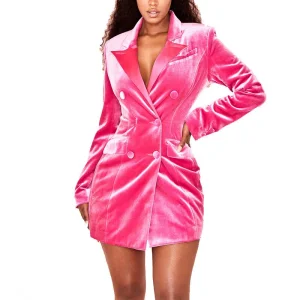
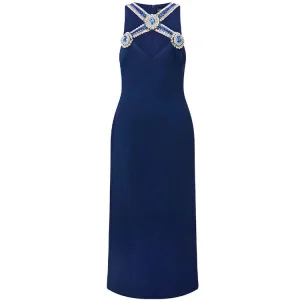
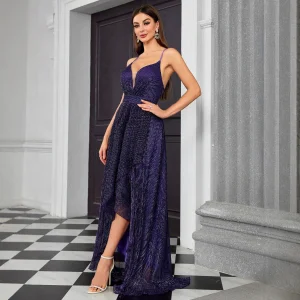
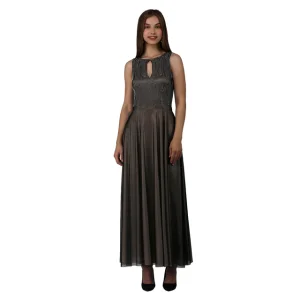
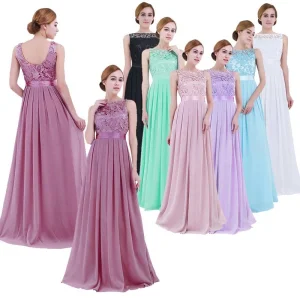
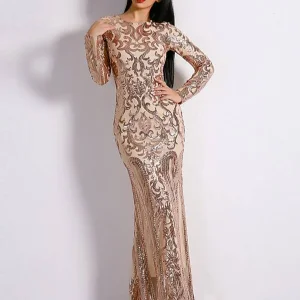
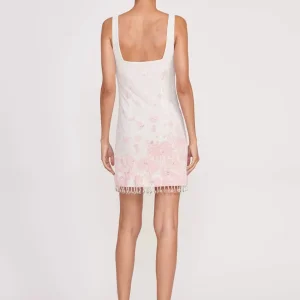
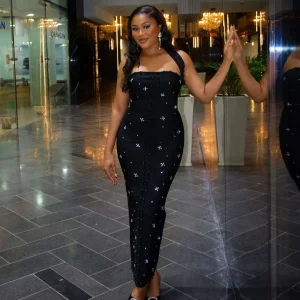
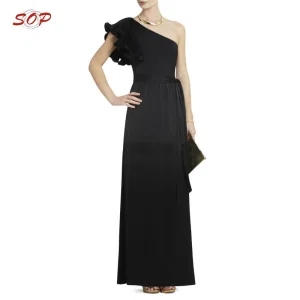
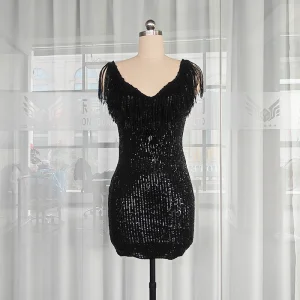
A selection of engineered fits and trending fabrics custom-made to exceed US market specifications and sizing expectations.
The market for ladies' evening gowns and formal wear in the United States continues to demonstrate robust resilience, valued at billions of dollars annually. Driven by localized socio-cultural events such as high school prom seasons, seasonal galas, corporate fundraisers, country club events, and the expanding wedding industry (including bridesmaids and mothers-of-the-bride), demand is highly seasonal and heavily influenced by luxury trends originating in fashion hubs like New York, Los Angeles, and Chicago.
However, domestic US apparel manufacturing faces severe structural challenges. The United States garment industry—primarily centered in New York’s historic Garment District and Los Angeles' Fashion District—has shifted dramatically toward high-end bespoke sampling and low-volume premium tailoring. Due to exorbitant labor costs, a shortage of skilled sewing machine operators, strict domestic environmental codes for fabric treatments, and a lack of integrated local textile mills, mass-producing evening wear domestically is economically unviable for the vast majority of consumer brands. Sourcing agents, fashion houses, and retail chains are forced to rely heavily on international supply chains to achieve commercial viability while preserving high design integrity.
Managing the supply chain for formal evening wear is inherently more complex than standard fast-fashion items. Evening dresses are characterized by multi-component bills of materials (BOM), containing fine fabrics (chiffon, heavy georgette, velvet, silk, satin), complex embellishments (hand-sewn sequins, beadwork, structural boning), and specific mechanical components like invisible closures and reinforced zippers.
Consequently, global enterprise procurement relies on a hybrid sourcing strategy. While high-volume basic designs can be optimized through large-scale assembly hubs, highly structured evening gowns with intricate beadwork require factories with centralized raw material ecosystems, specialized machinery, and master-level assembly technicians. To balance speed-to-market and cost-efficiency, global supply directors focus on partnering with comprehensive production centers that combine state-of-the-art machinery with skilled manual craftsmanship.
Established in May 2017 in the industrial hub of Langfang City, Hebei Province, China, Langfang Díaz Fashion Co., Ltd. (Registered Capital: 1 million yuan) has built a reputation as a trusted manufacturing partner for international women’s apparel.
Díaz Fashion operates as a professional garment enterprise integrating brand management, high-fashion research and development, cutting-edge pattern design, structured production lines, and direct international trade. Driven by a philosophy of "creating a fashionable and comfortable quality lifestyle for customers," the design and engineering teams develop collections that focus on natural aesthetics, practical wearability, and contoured silhouettes.
By leveraging the efficiency of Hebei's dense textile manufacturing cluster and proximity to major shipping ports (such as Tianjin Port), Díaz Fashion offers global retailers a distinct speed-to-market advantage. Their operational methodology integrates modern manufacturing practices with rigorous quality assurance protocols to deliver premium evening wear that meets strict international standards.
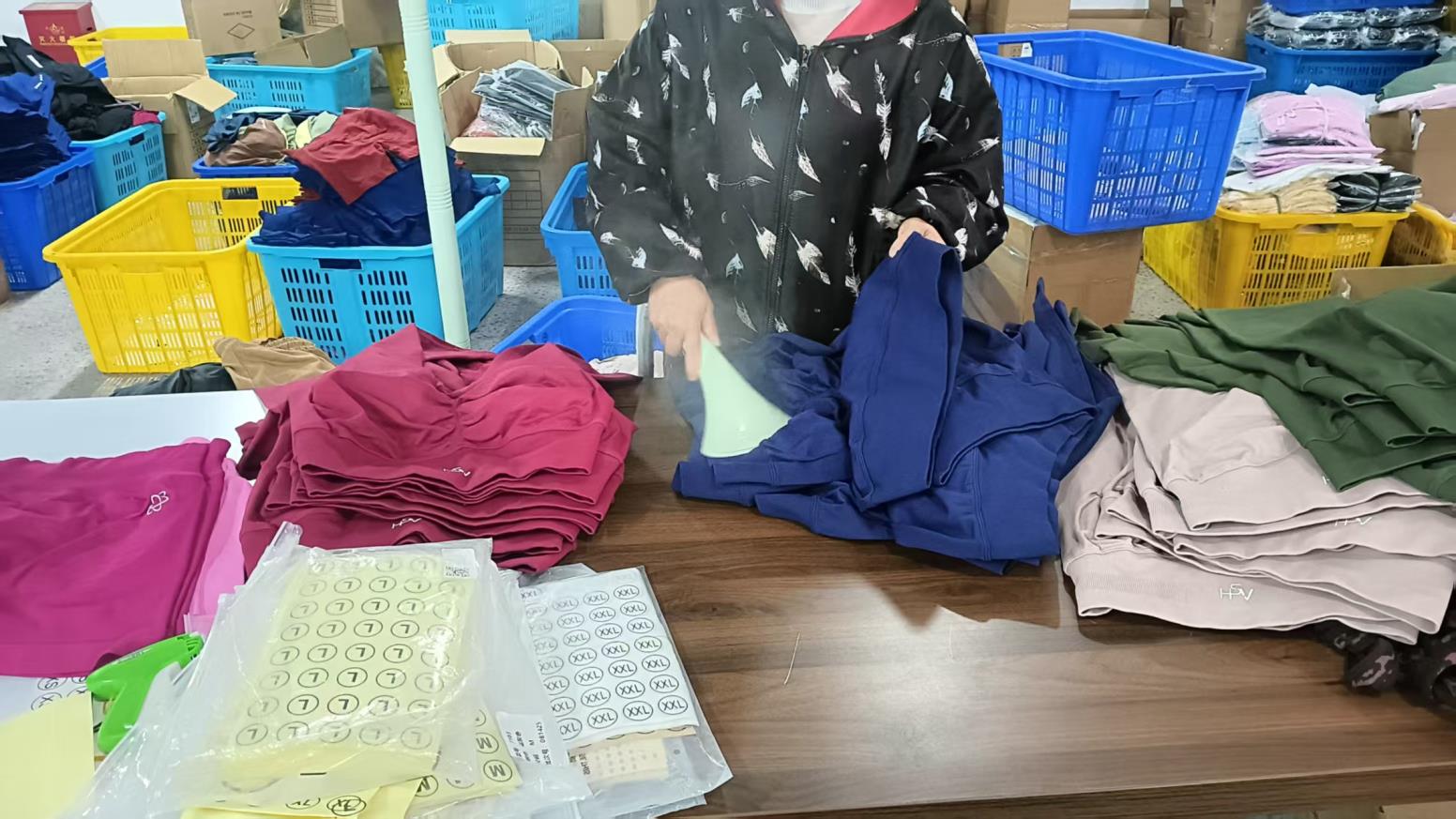
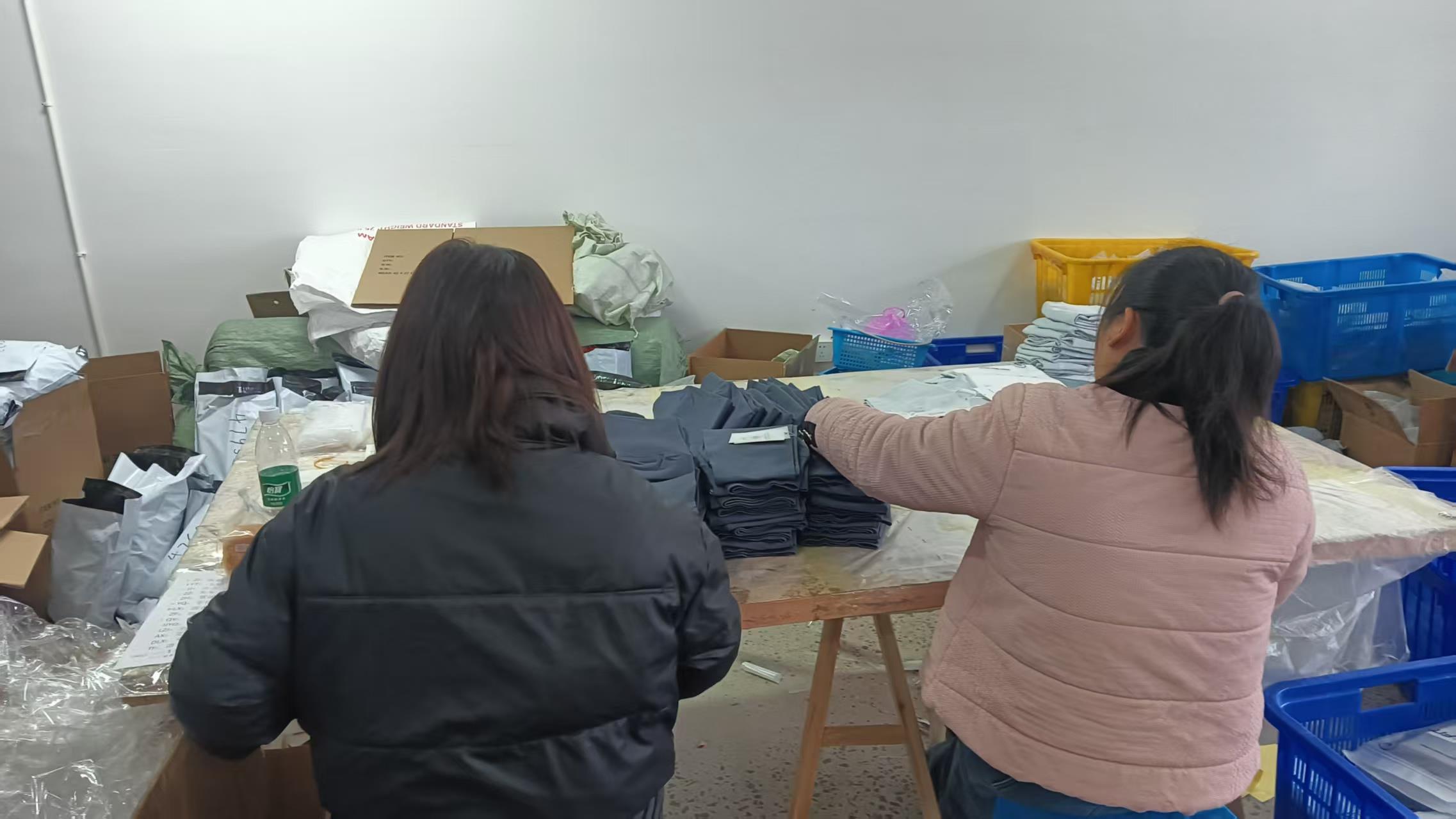
From the initial yard selection to packaging, each stage of production is controlled to maintain consistent quality across large manufacturing runs:
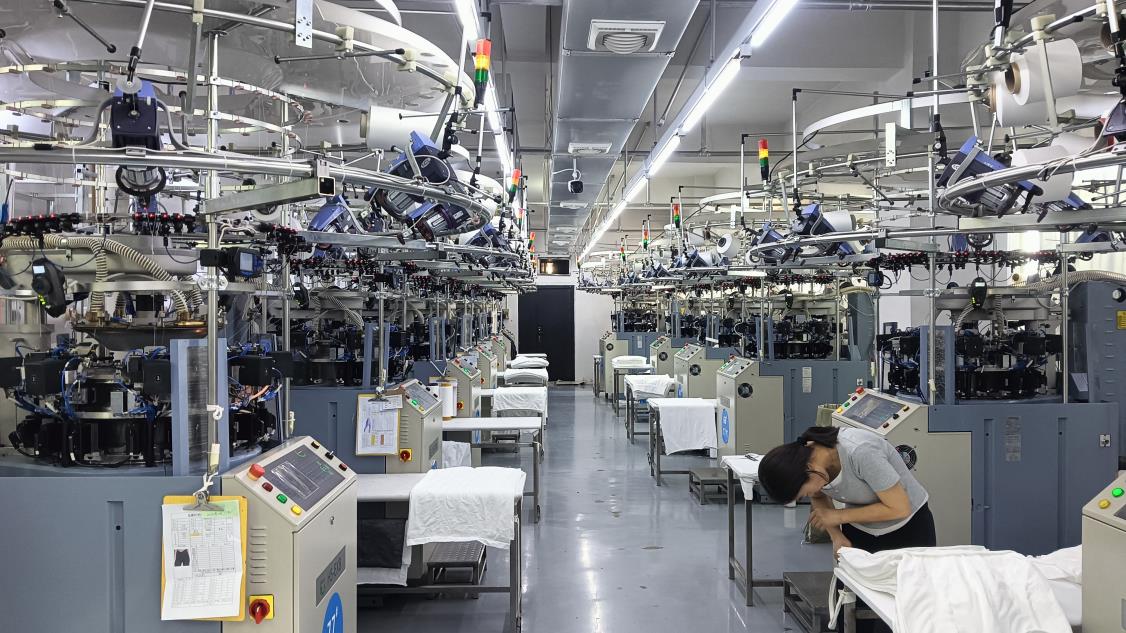
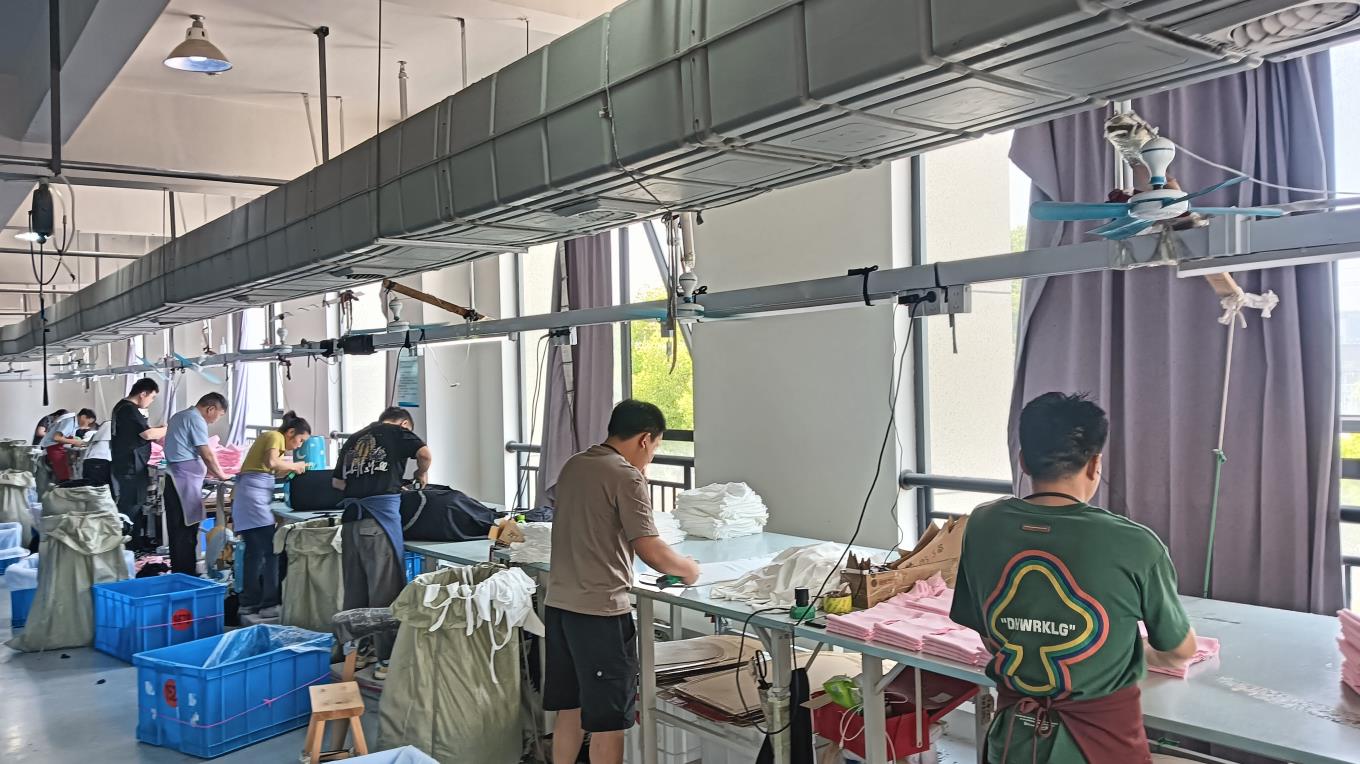
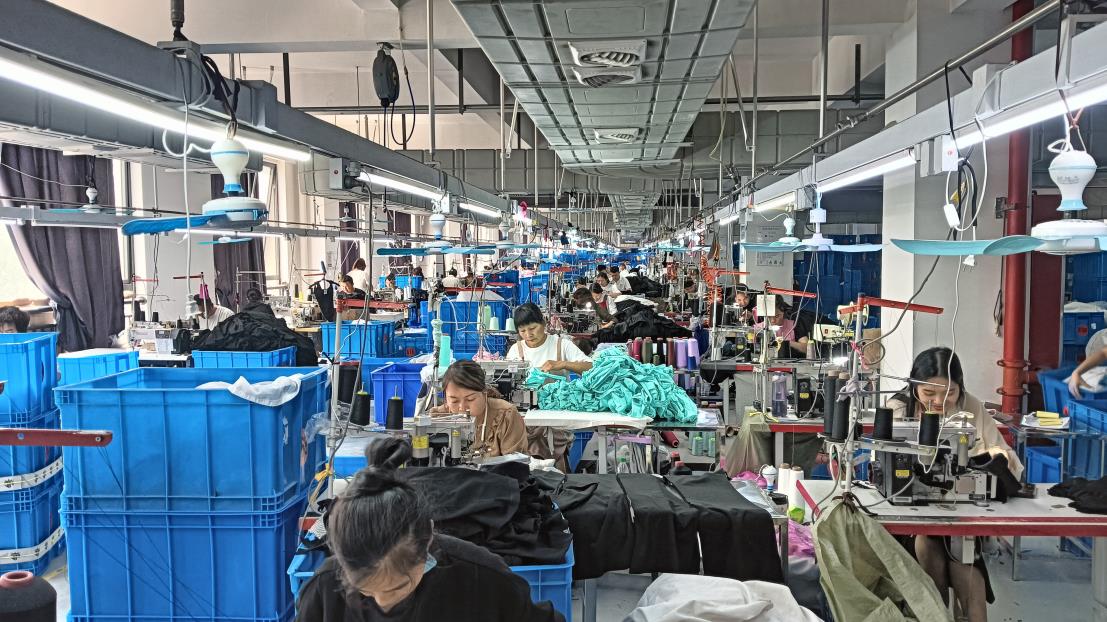
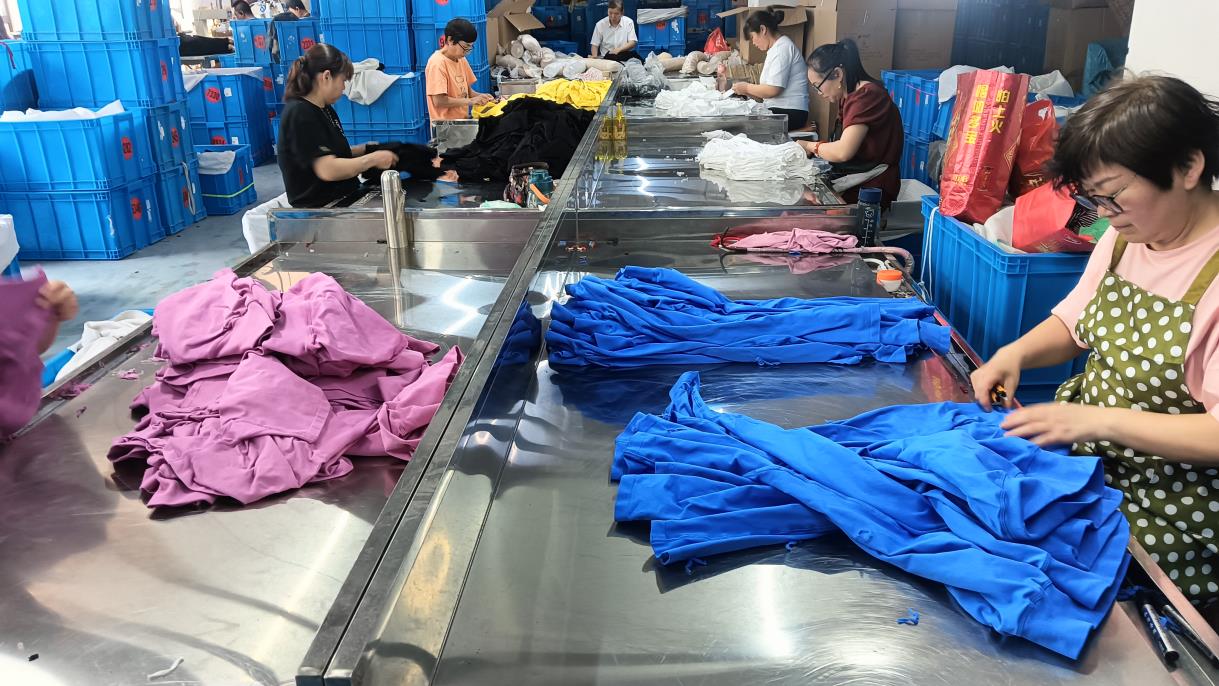
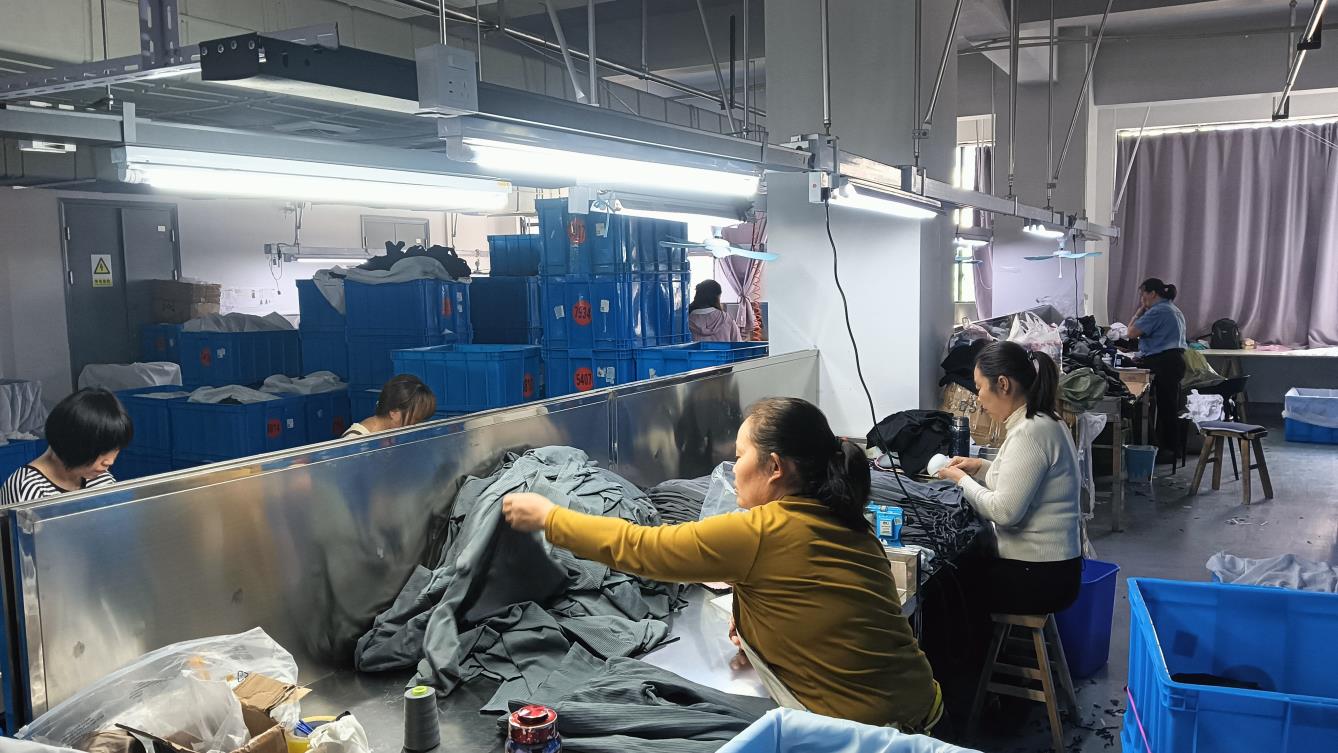
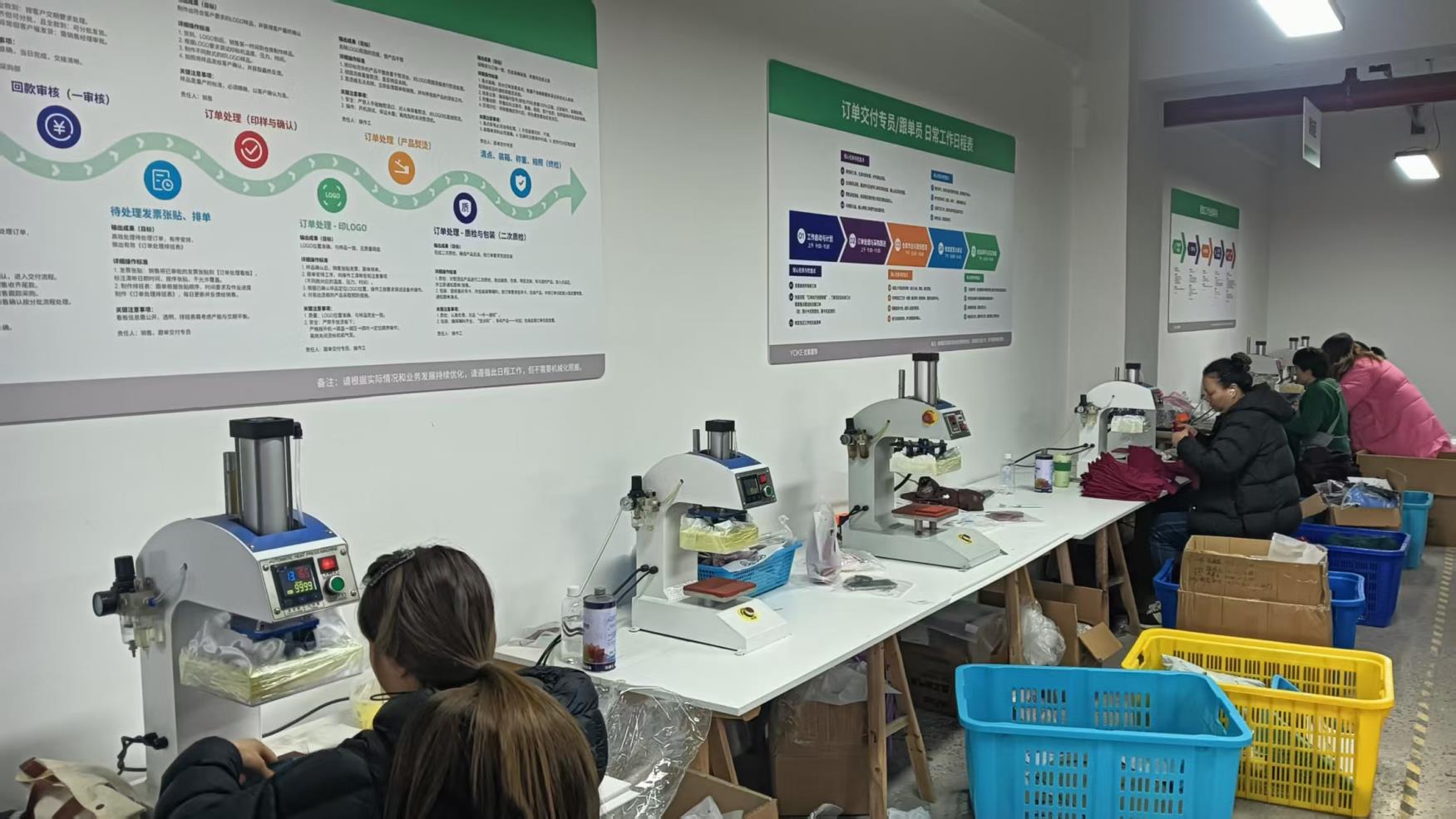
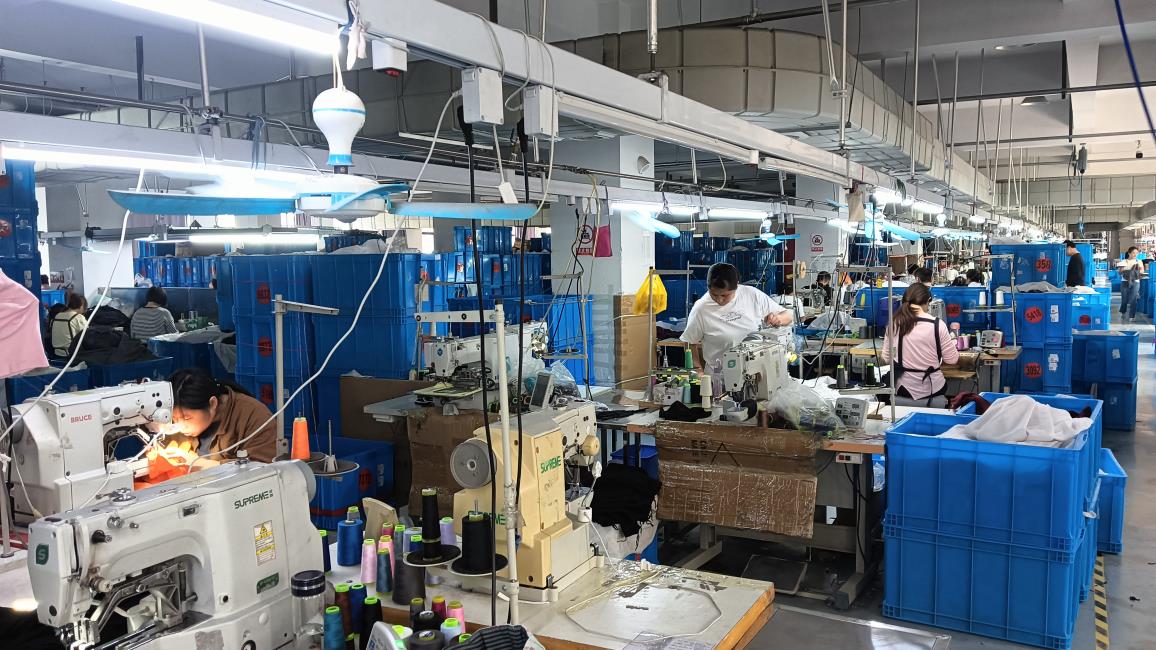
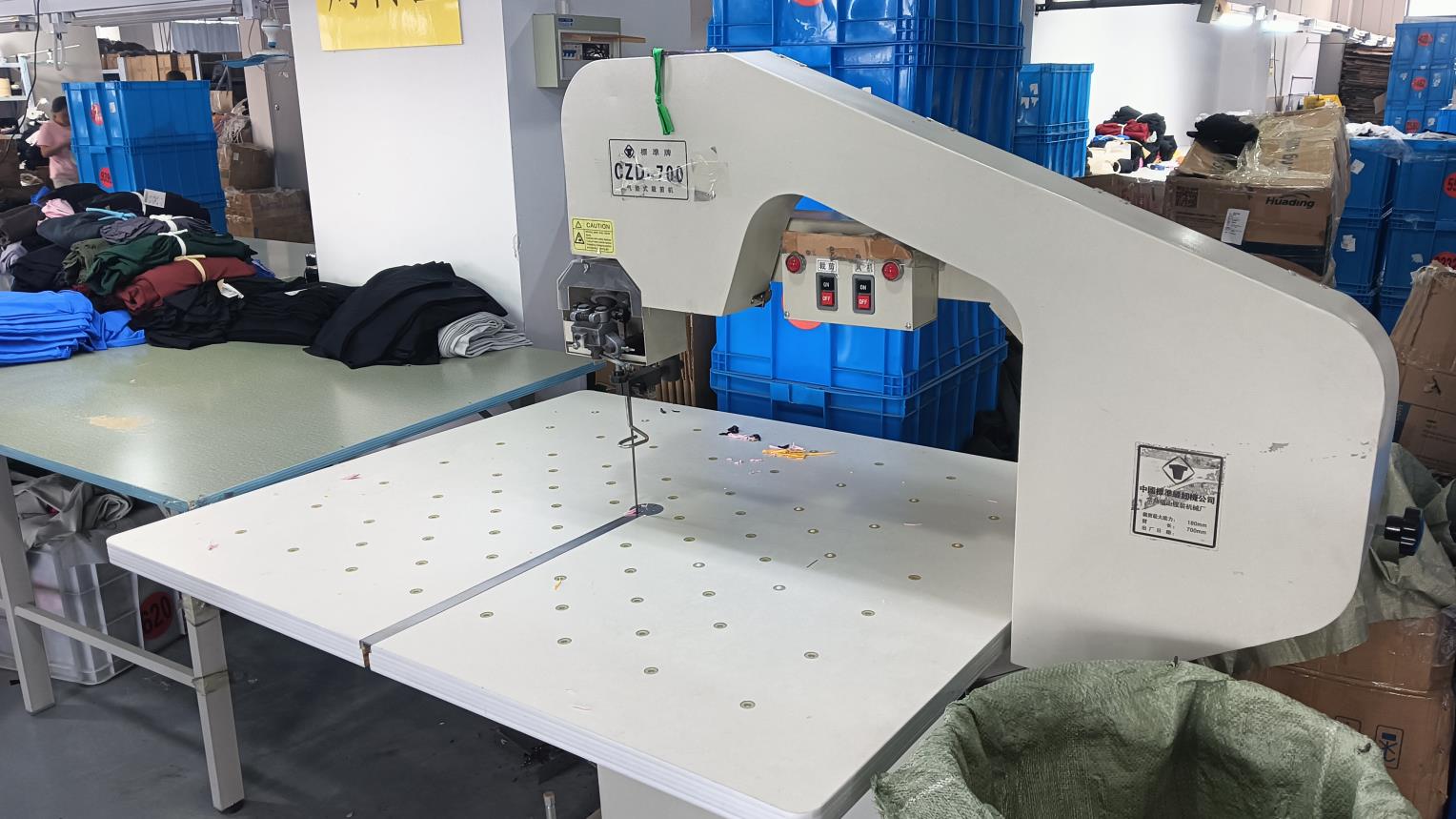
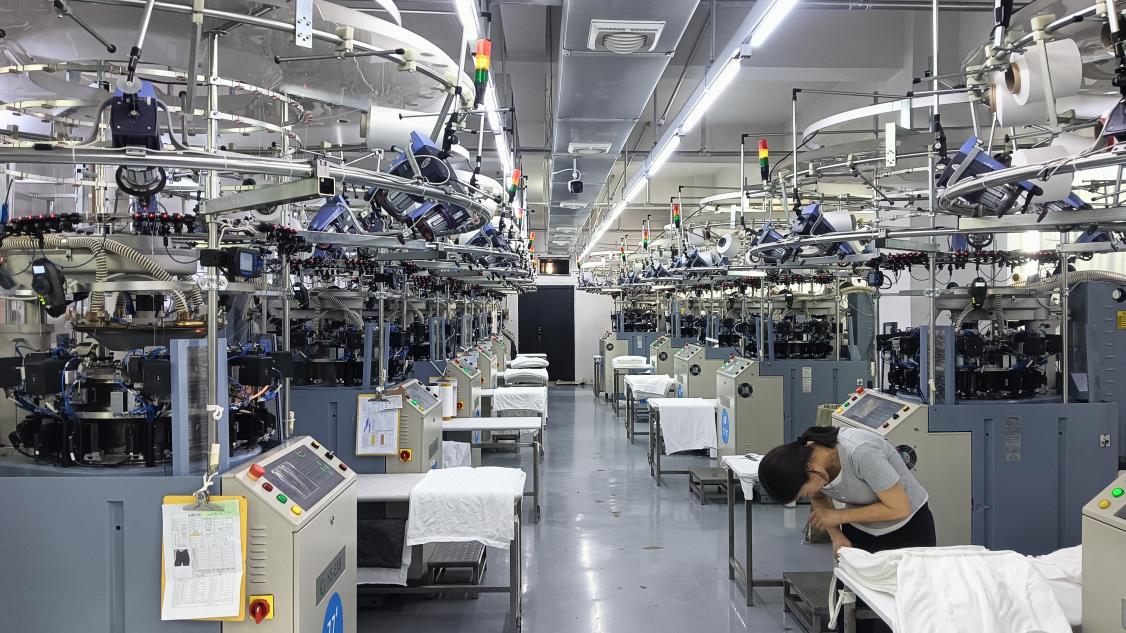
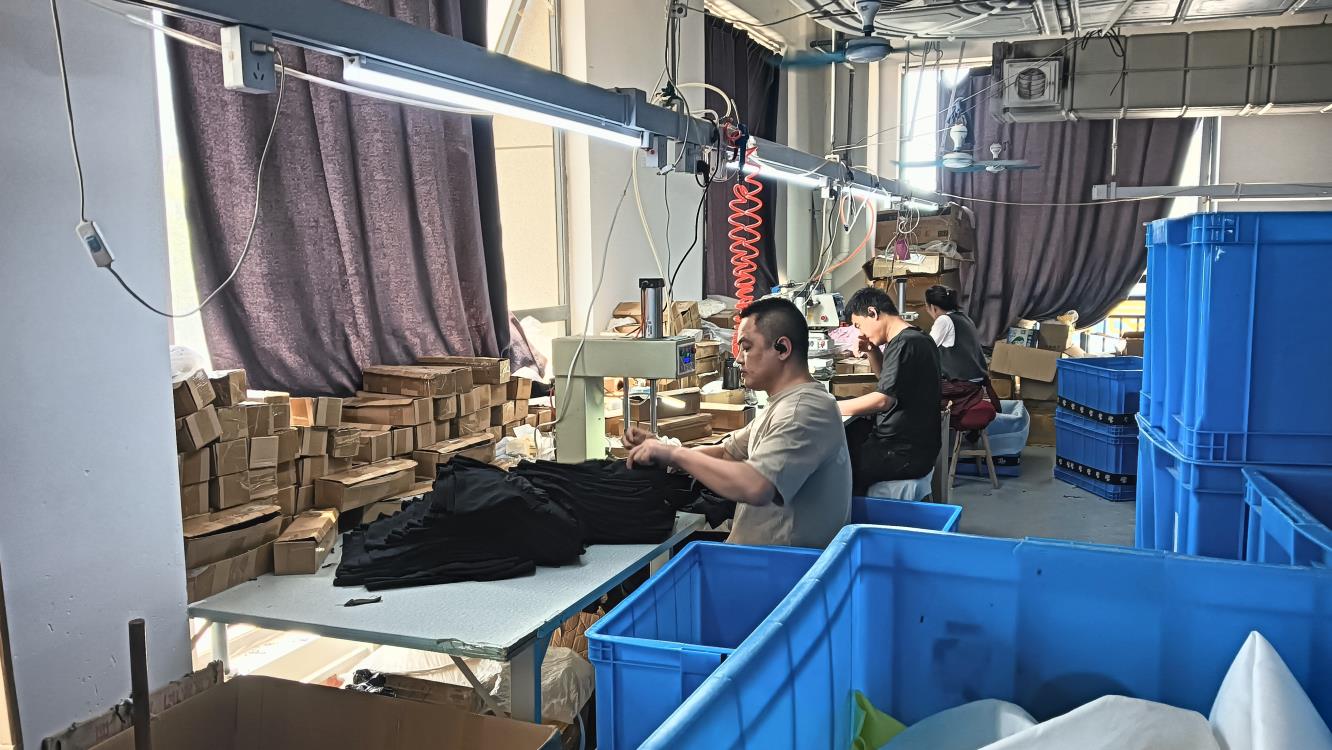
High-volume consistency requires specialized apparel machinery. Below is the operational hardware deployed at Díaz Fashion to guarantee precision stitching, fabric alignment, and detailing:
Exploring high-demand bespoke variations manufactured under strict OEM contract specifications.
Sourcing for the United States consumer demographic requires a clear understanding of localized sizing standards, cultural subsegments, and seasonal timelines. In the US, evening dress configurations must account for three key commercial segments:
First, the Prom & Homecoming Market (Spring Peak, late Q1 to early Q2). This demographic requires bright colorways, heavy sequining, open-back styles, and affordable polyester-blend constructions. Sizing distributions must cover misses' standard sizes to juniors' proportions.
Second, the Bridal & Formal Event Market. This category represents a massive year-round procurement pipeline, dominated by bridesmaids' dresses, gala gowns, and mother-of-the-bride formal wear. Sizing accuracy is critical here. Factories must deliver precise, consistent fits to minimize alteration costs for consumers.
Third, the Inclusive Plus-Sized Segment. Plus-size inclusivity is a key trend in the US fashion industry. Leading American brands require factories that understand structural design modifications for larger sizes, such as wider shoulder straps, integrated bust supportive structures, and strategically placed pleats.
The manufacturing of high-end evening wear is being reshaped by technologies aimed at minimizing waste and shortening development timelines.
One key advancement is 3D Digital Prototyping. Utilizing CAD software, designers can now project pattern files onto virtual avatars to evaluate drape, seam stress, and movement. This reduces the need for physical sample iterations and speeds up the pre-production sign-off phase.
Another major shift is toward Sustainable Textile Sourcing. International buyers are increasingly asking for recycled polyester blends, ethical bead sourcing, and Oeko-Tex certified dyes. Modern factories are adapting by optimizing their chemical treatments and tracking material origins to meet these environmental standards.
Explore our main product catalog featuring diverse silhouettes, premium textures, and flexible styling configurations.
Addressing the common technical, logistical, and structural questions raised by enterprise buyers and sourcing agents.
 Díaz Fashion