 Díaz Fashion
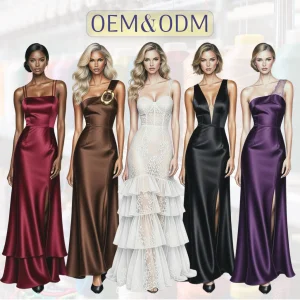
Explore our top-tier manufacturing runs customized with specific adjustments in sizing, silhouette structure, and breathability suited to Japan's fashion expectations.
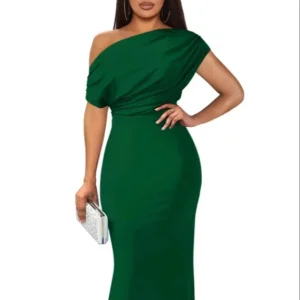
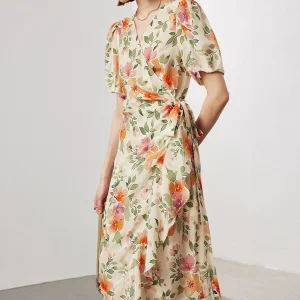
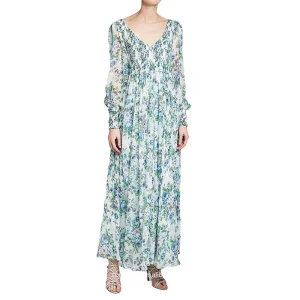
An analytical overview of consumer behavior, seasonal buying cycles, and micro-cultural shifts within Japan's complex fashion retail environment.
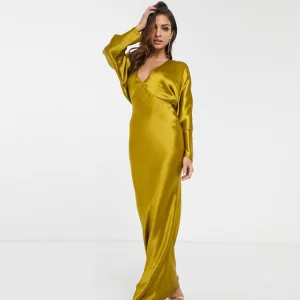
In contemporary Japanese retail (across Kanto and Kansai regions), there is a structural shift towards loose-fitting, elegant silhouettes. Known as "Otona Casual" (Adult Casual), this segment demands premium floor-length garments that balance comfort with a sophisticated, refined visual presentation. Maxi dresses have transitioned from beach-only resort wear to everyday urban essentials.
Japan’s highly contrasting seasonal patterns require advanced material adaptability. During the humid hot summer months (June to August), fabrics must offer superior breathability, rapid dry technology, and high moisture vapor transmission rates. Conversely, winter lines call for smart layering materials—such as wool blends and high-density circular knits that preserve heat while draped.
Japanese apparel buyers execute quality control on a microscopic scale. Zero-defect tolerance extends to needle detection, seam strength, dye sublimation, and formaldehyde testing. Exporters targeting major department stores in Ginza or Shibuya must align operations with the strict Japanese Industrial Standards (JIS L 4005) for sizing and fabric performance.
Over the last decade, supply chain resilience has become the defining metric of profitability for Japanese fashion giants. Rising raw material costs, unpredictable geopolitical logistics, and the acceleration of domestic trend cycles mean retail enterprises can no longer rely on traditional, high-volume, static ordering. Buyers need agility: small batch options (low MOQ), quick restocking times, and advanced design capabilities that translate conceptual sketches into bulk-manufactured products in under four weeks. This is where our advanced production facility excels.
Established in May 2017 in Langfang City, Hebei Province, Langfang Díaz Fashion Co., Ltd. integrates state-of-the-art brand management, fashion design, production, and international trade.
Díaz Fashion is structured to meet the demanding requirements of global fashion retailers. With a design philosophy centered on natural aesthetics, practicality, and ergonomic fit, we transform raw fabrics into high-end collections tailored for markets like Tokyo, Kyoto, and Yokohama.
We operate under the cooperative management philosophy of "co-creation, sharing, and win-win development." By maintaining deep design oversight and direct control over our manufacturing processes, we ensure that every dress produced meets international standards.
Guided by our core values of diligence, innovation, humility, and gratitude, we aim to build sustainable partnerships with importers, wholesalers, and retail brands across Japan and East Asia.
Connect With Factory DirectorsOur location in Langfang City, Hebei Province, gives us direct access to the Beijing-Tianjin-Hebei industrial corridor. This enables quick material sourcing, rapid customs clearance, and weekly shipments to major Japanese shipping ports, including Tokyo, Yokohama, Osaka, and Kobe. We use advanced computer-aided design (CAD) systems and automated machinery to minimize fabric waste and maintain precision across production runs.
Our step-by-step manufacturing workflow is optimized for transparency, quality assurance, and tracking at every stage of production.
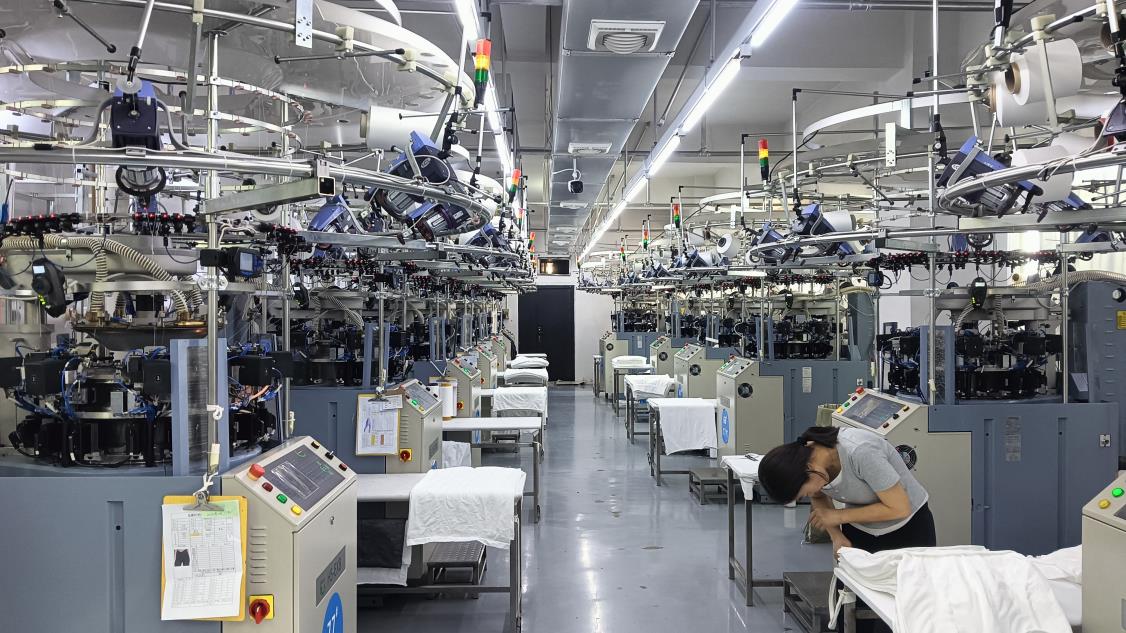
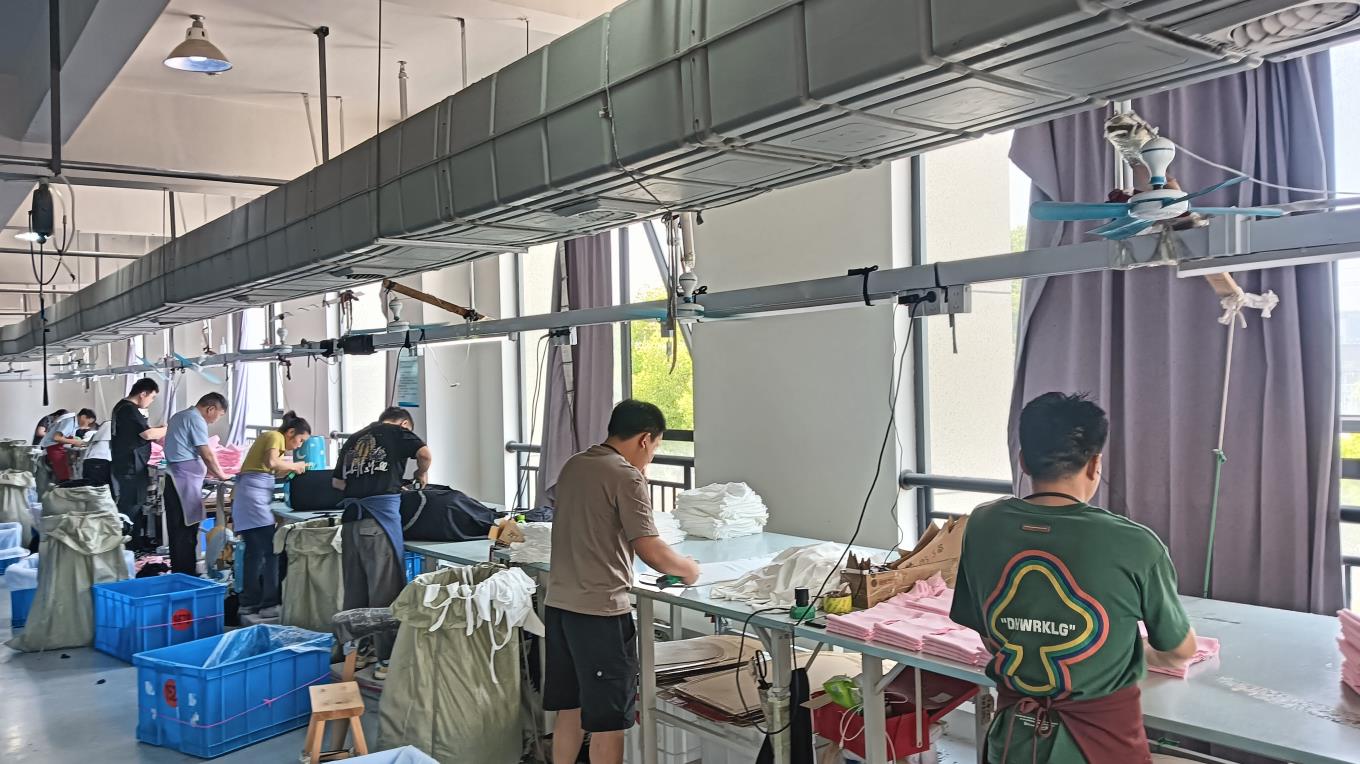
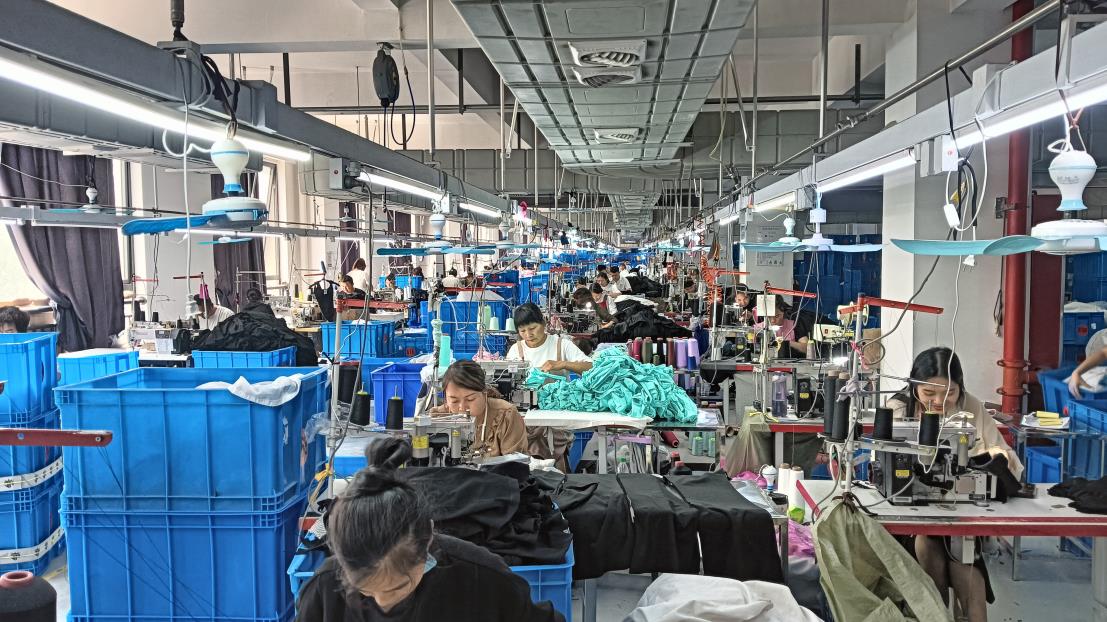
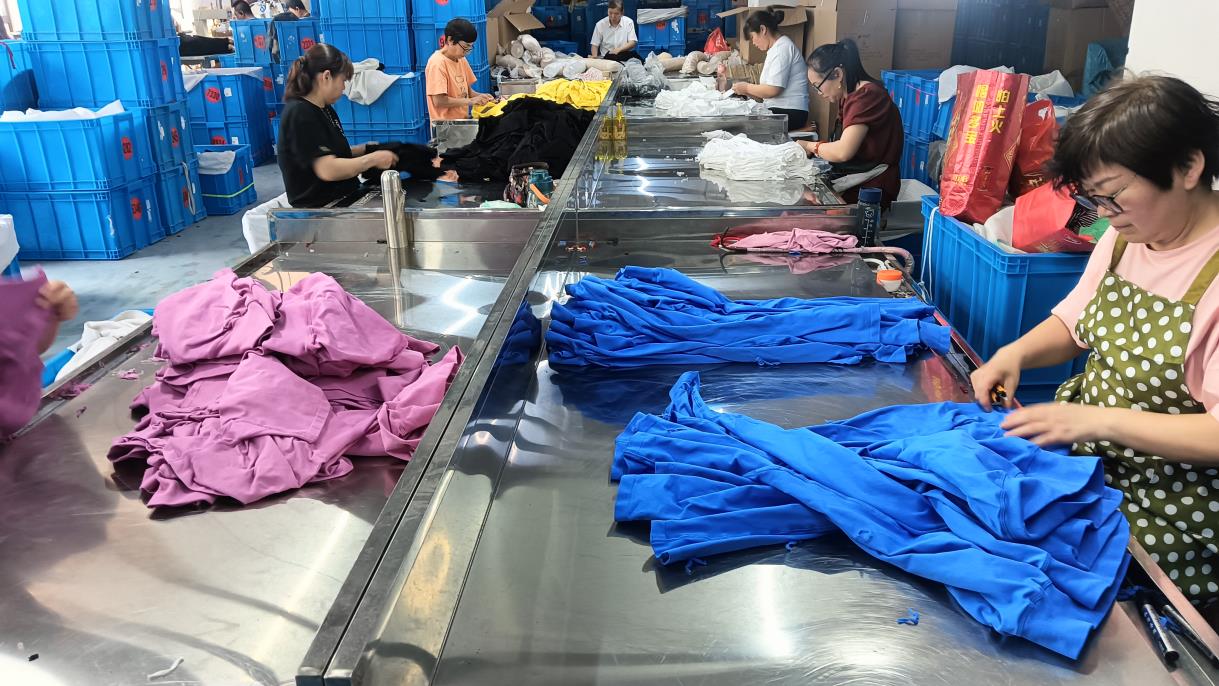
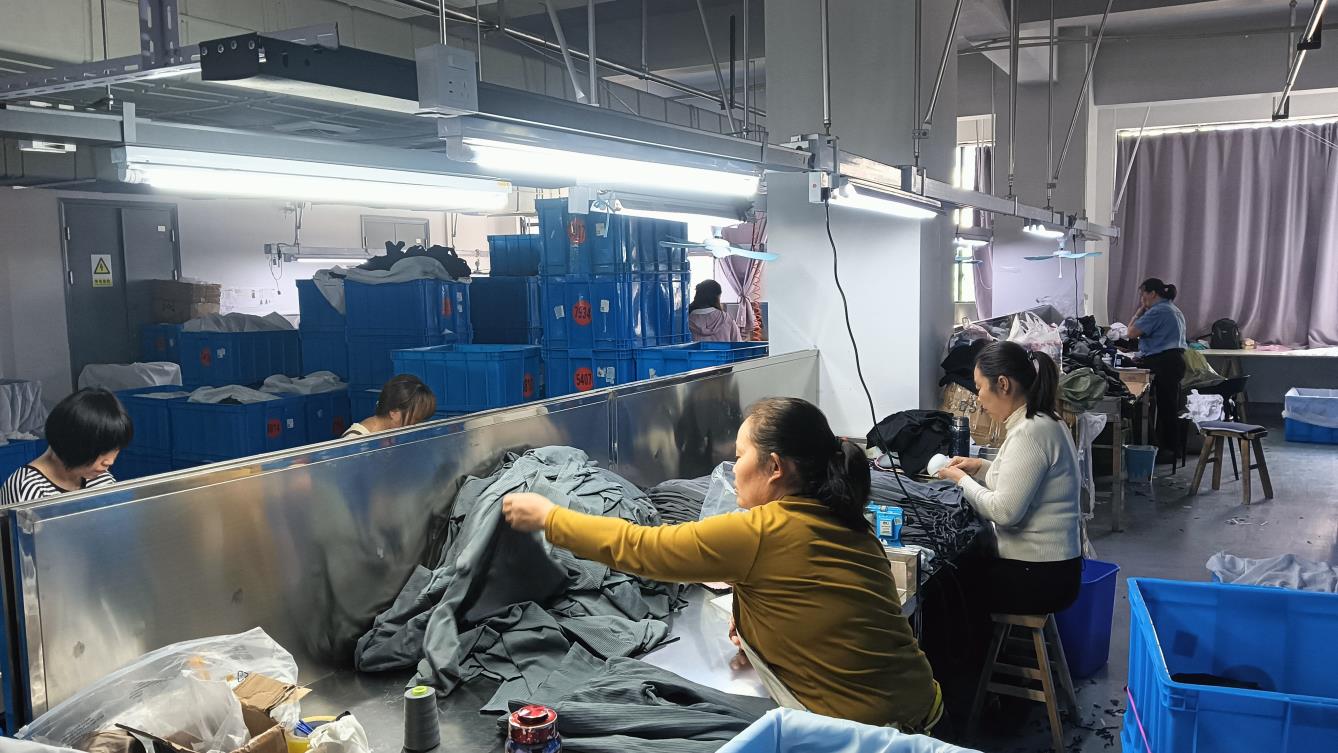
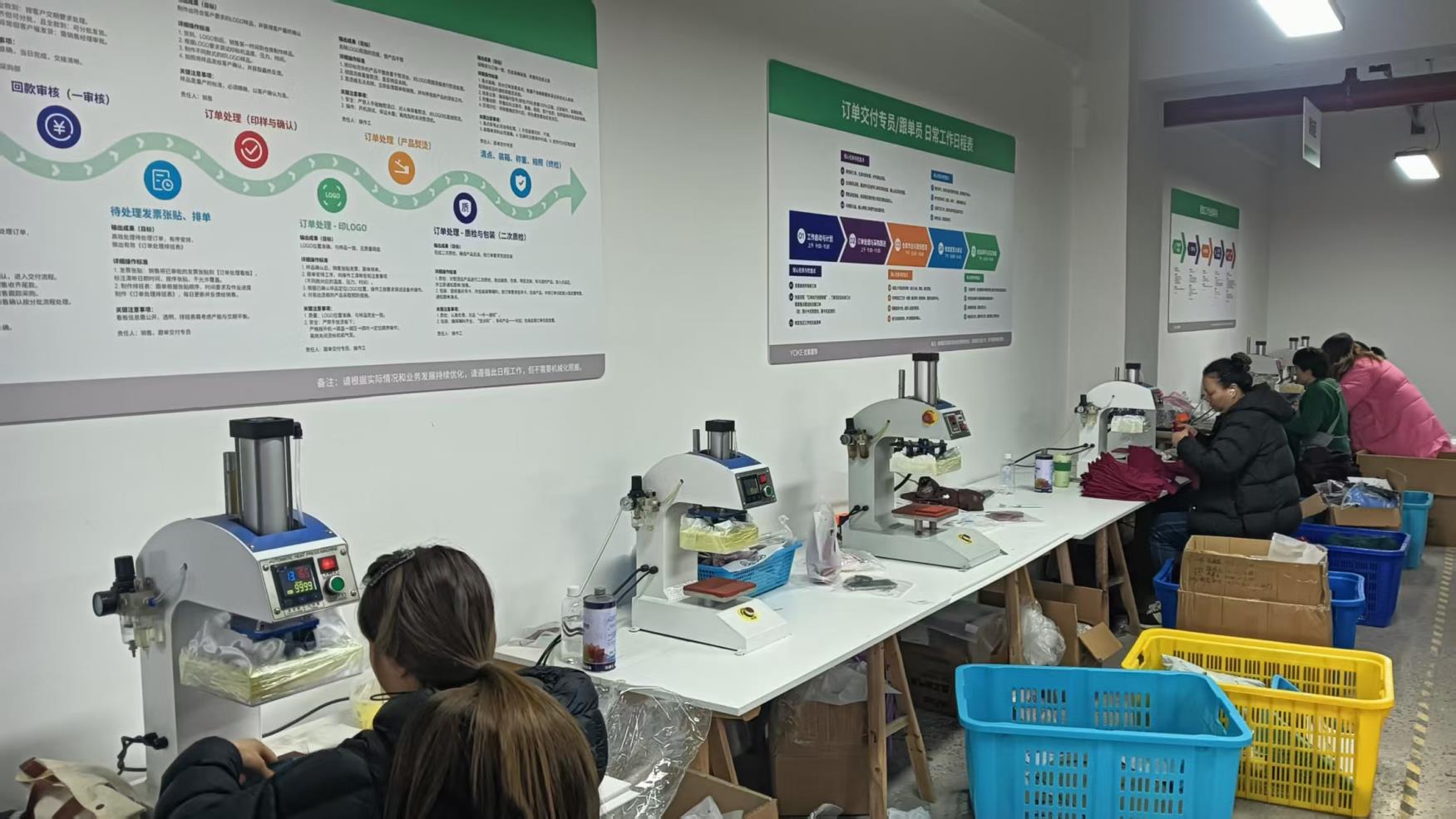
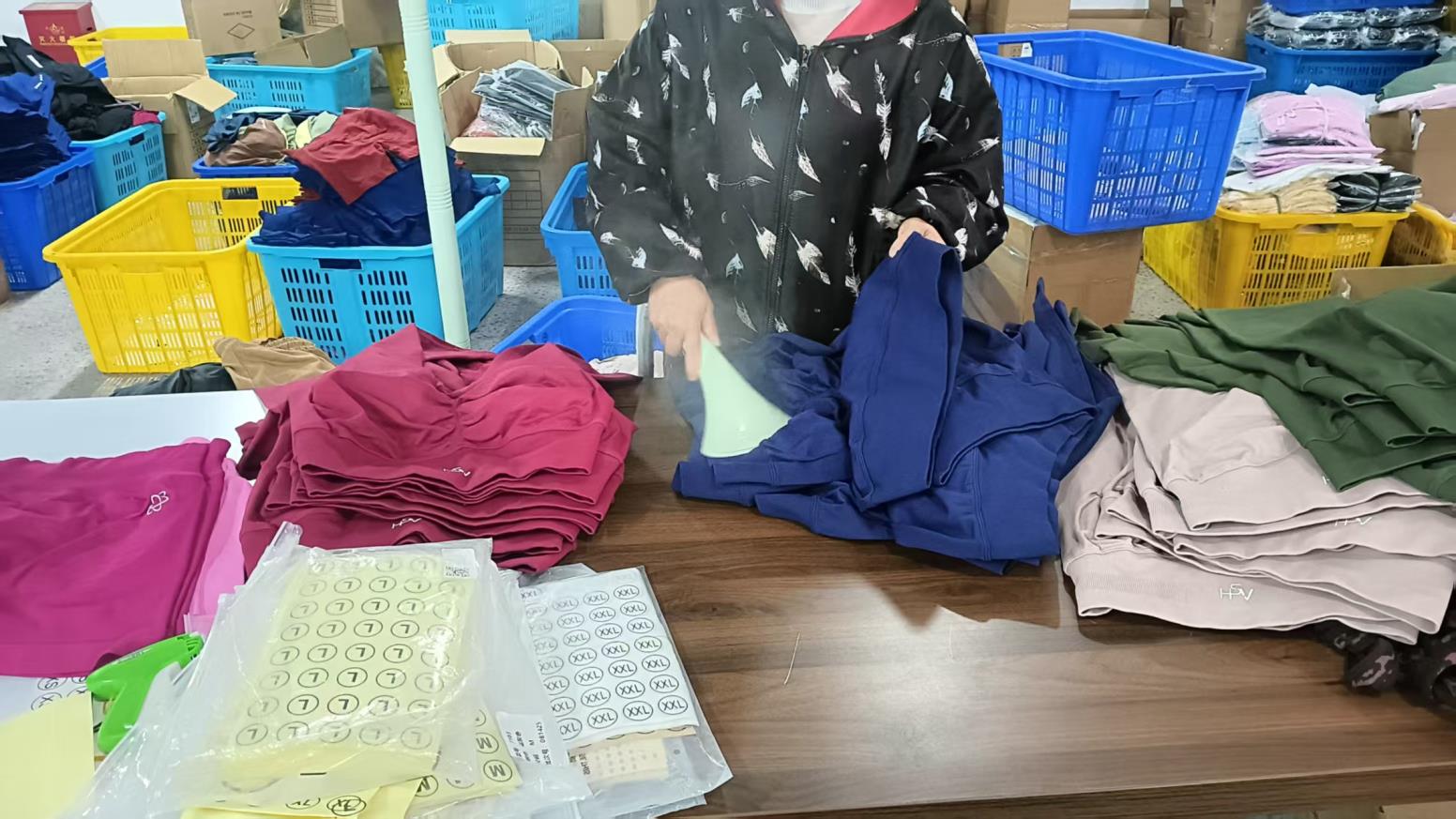
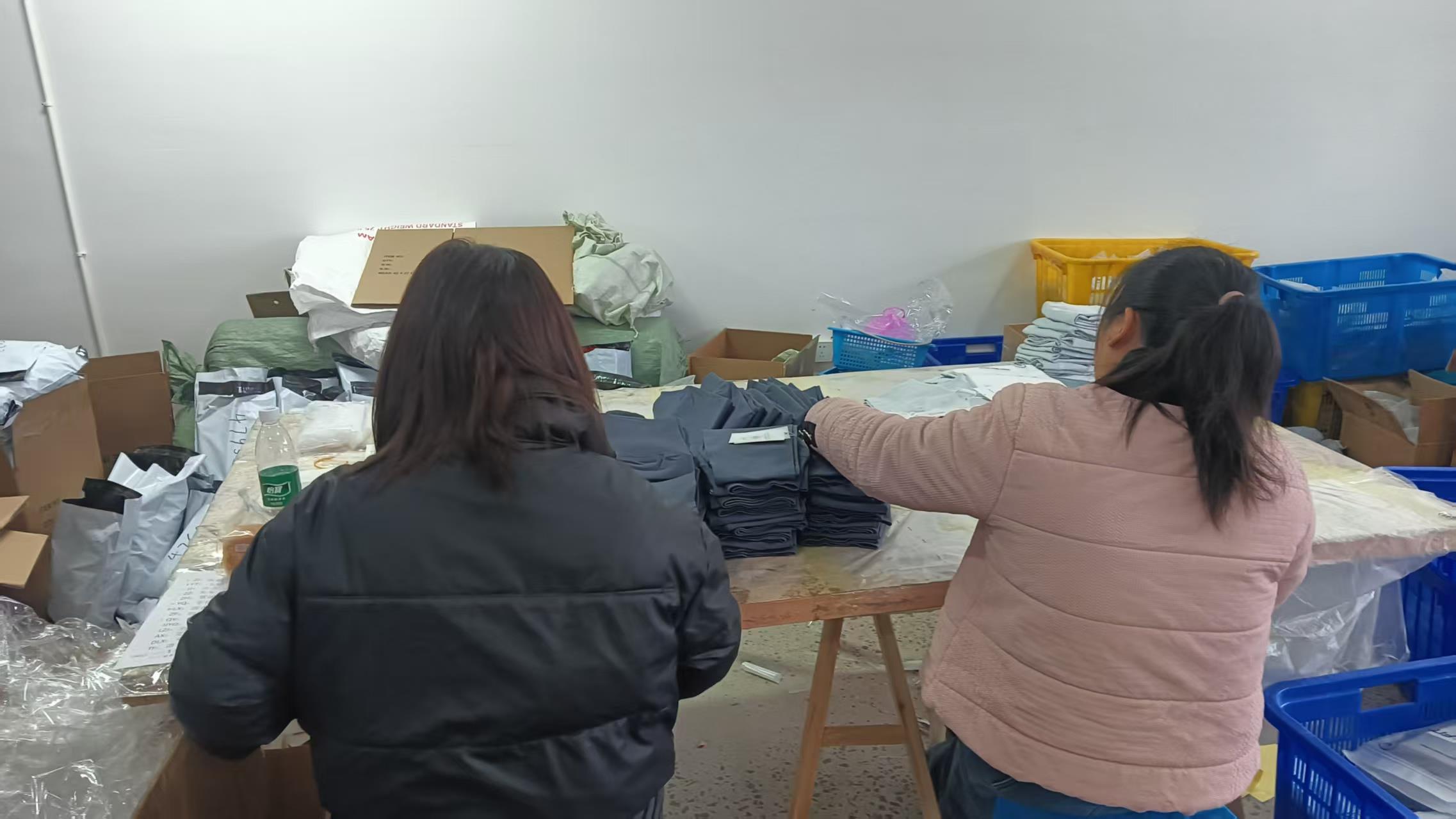
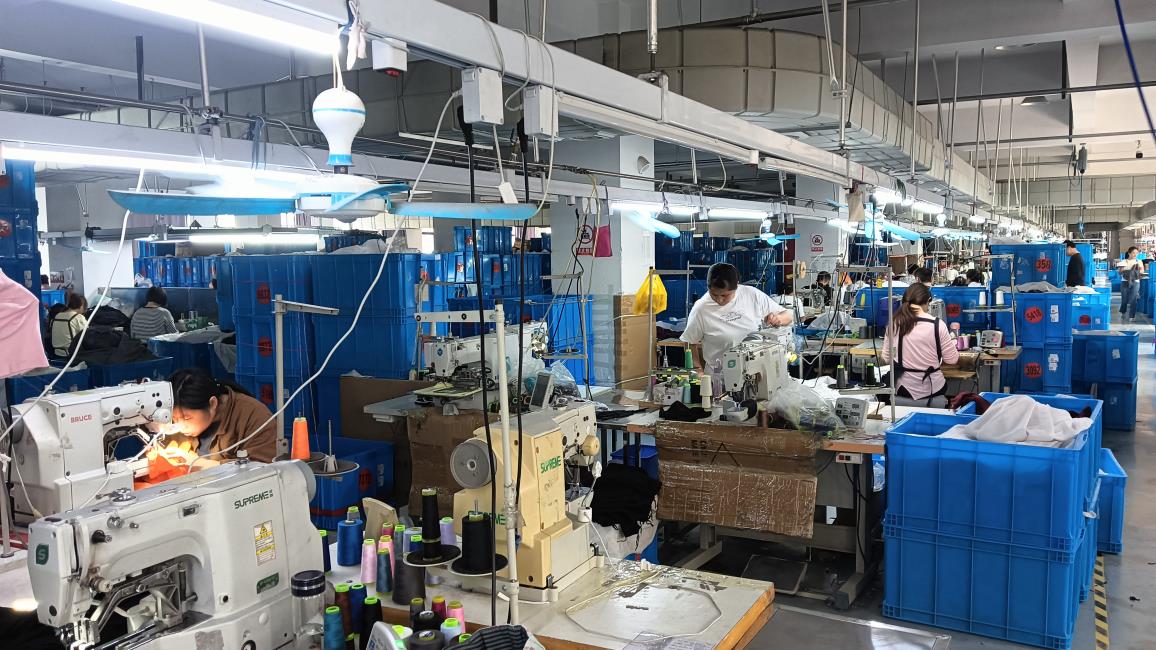
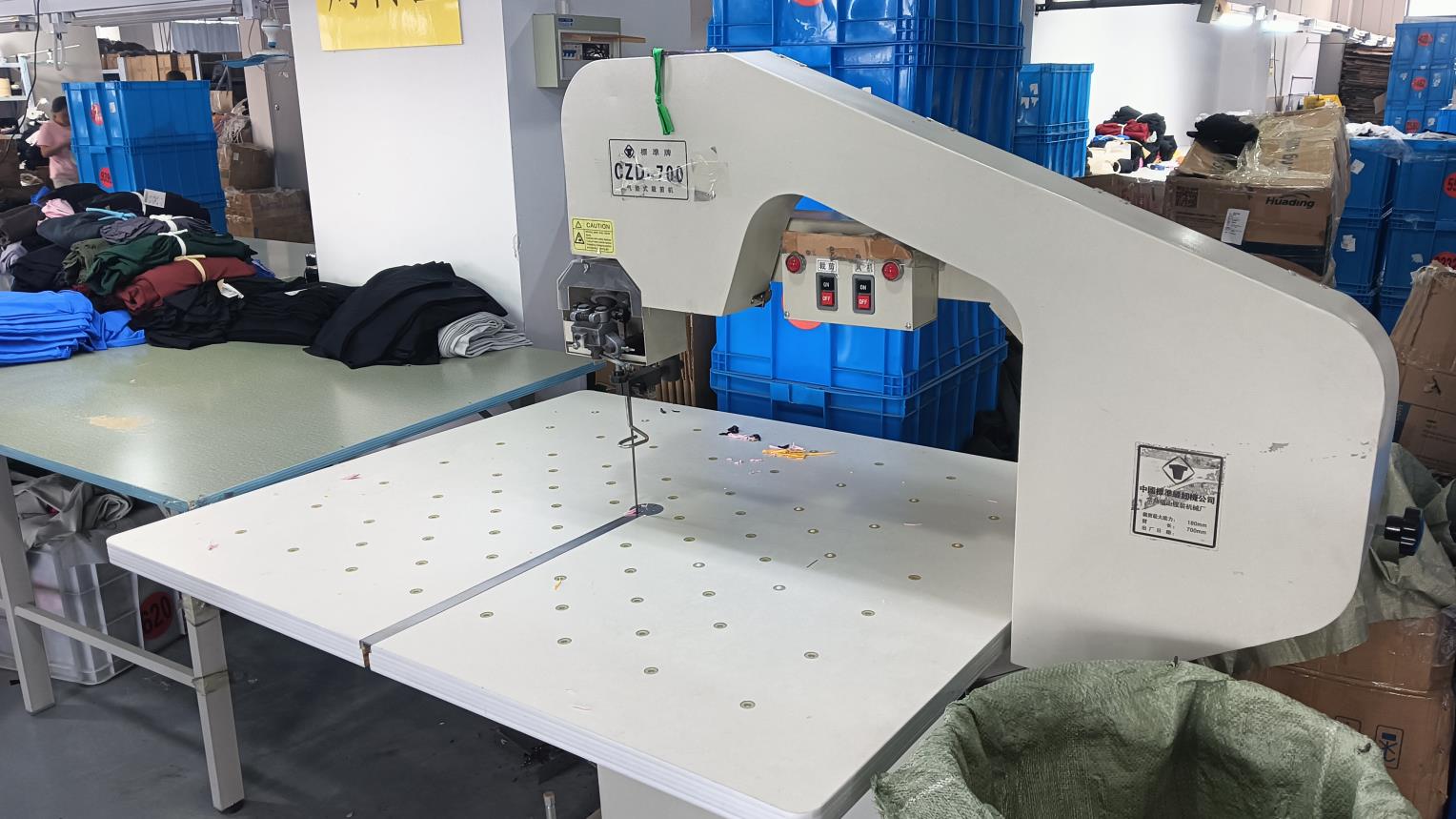
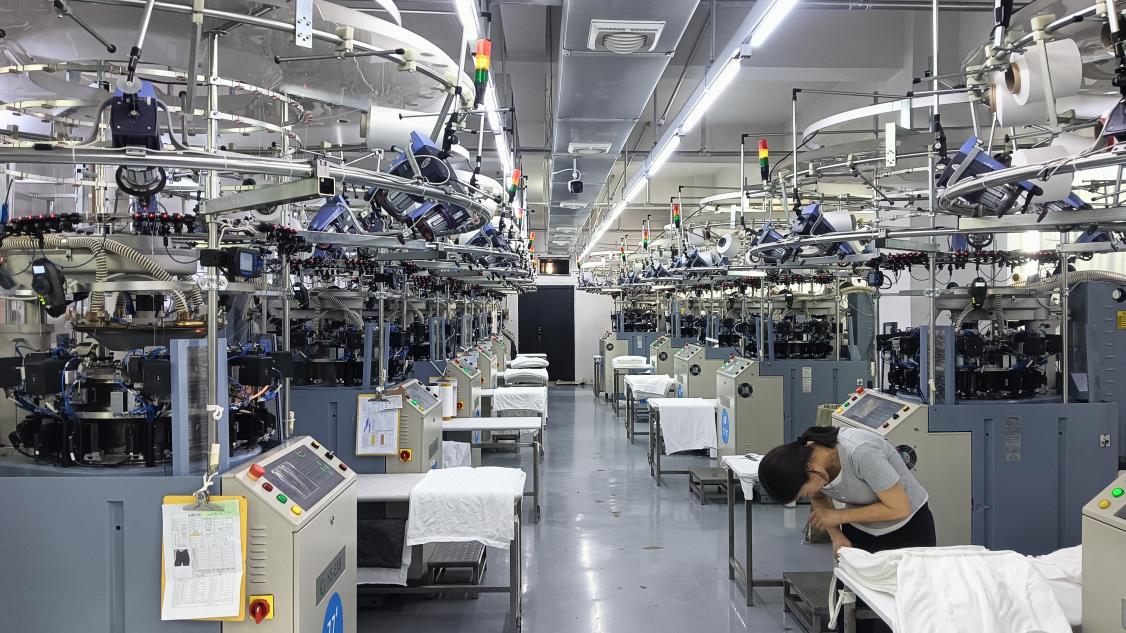
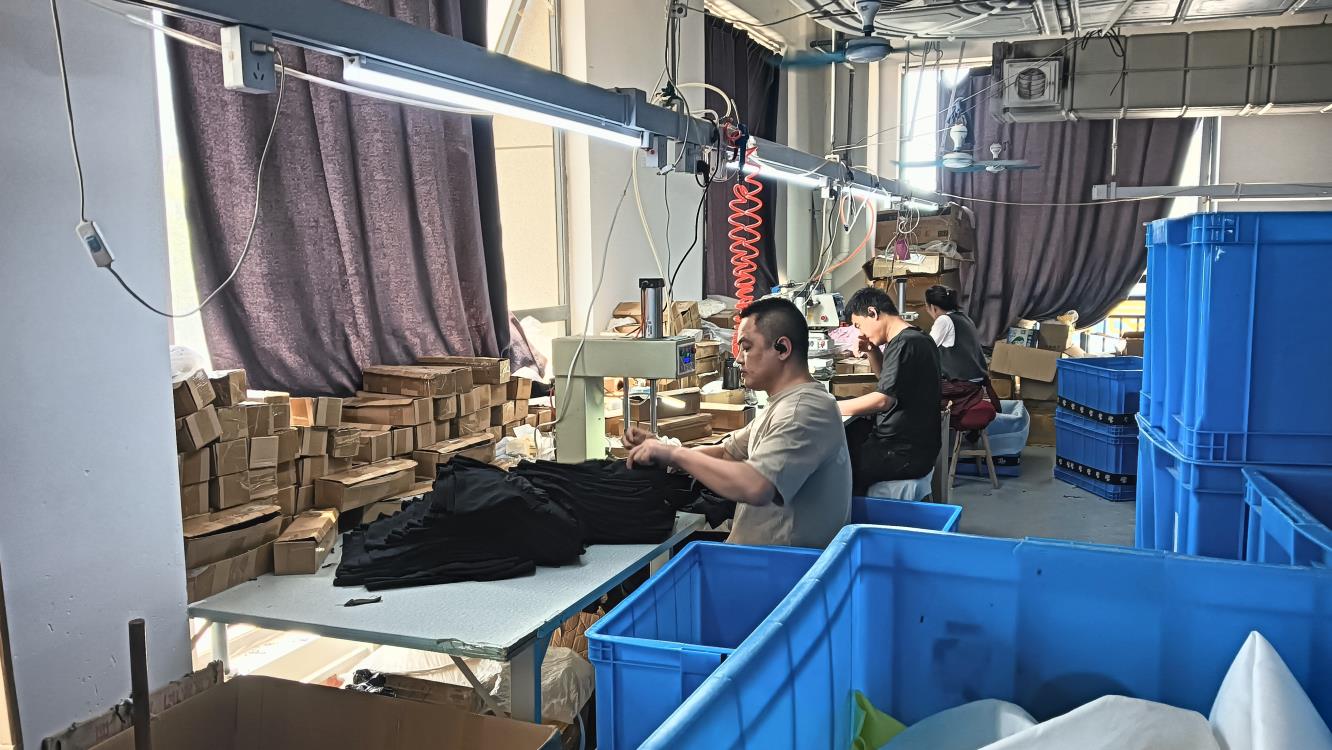
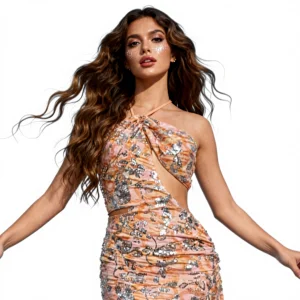
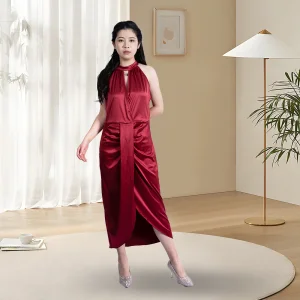
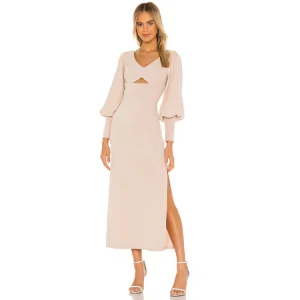
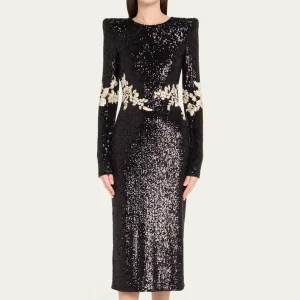
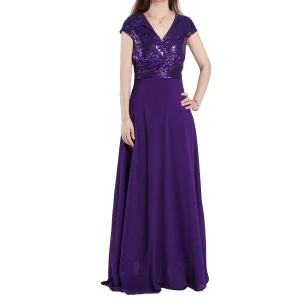
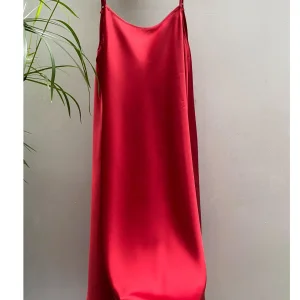
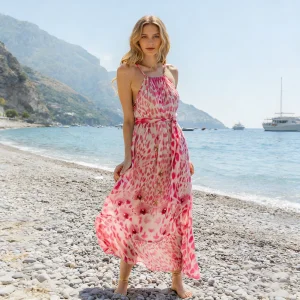
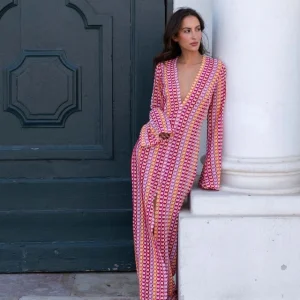
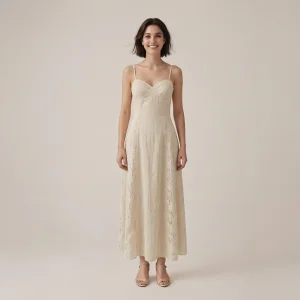
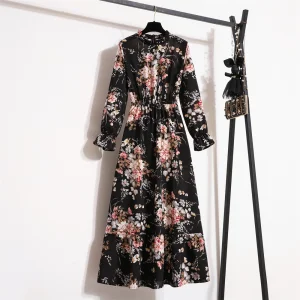
We design and manufacture maxi dresses to align with the distinct lifestyle, travel, and cultural settings of Japanese consumers.
Designed for the modern professional in districts like Marunouchi or Umeda. These designs feature modest necklines, subtle side pleating, and muted colors. They layer easily under tailored blazers or cardigans, transitioning smoothly from corporate offices to evening social settings.
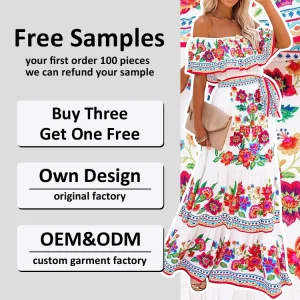
Tailored for travel to destinations like Okinawa or Hakone. Using lightweight, highly breathable fabrics such as premium sustainable cotton and georgette, these dresses feature vibrant floral patterns and open-back designs that offer comfort in humid weather.
Focused on casual weekend comfort. These loose-fitting knits, cotton shirts, and layered ruffled dresses are designed for local shopping or relaxed outings. They prioritize comfort and ease of movement without compromising on style.
Premium wholesale products available for custom brand labeling, material changes, and sizing adjustments to meet regional market preferences.
Answers to common operational questions regarding sourcing, manufacturing standards, and trade processes for the Japanese market.
Get in touch with our design and production teams to request custom fabric cards, prototype samples, or a detailed quote for your next collection.