Díaz Fashion
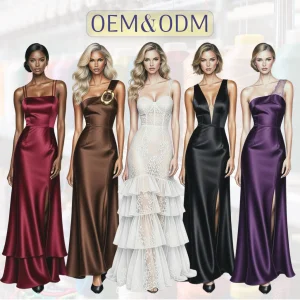
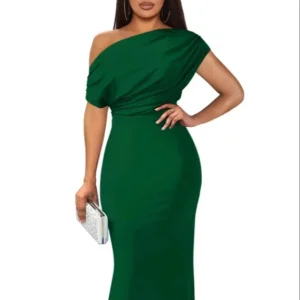
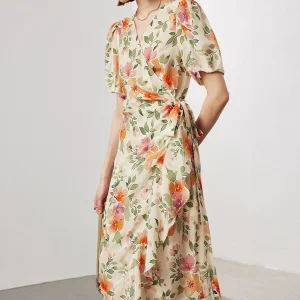
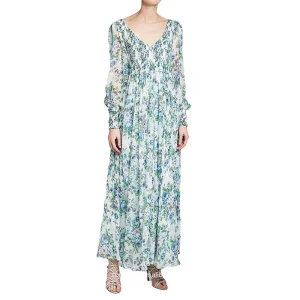
Analyzing the business indicators that shape the demand for ladies' maxi dresses in Sweden.
1. Demography and the Lagom Style Paradigm
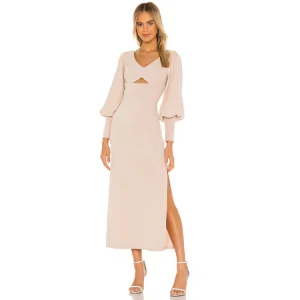
The Swedish consumer market values the concept of "Lagom"—not too much, not too little. In the context of ladies' maxi dresses, this translates into designs that are versatile, clean, and structurally sound. Swedish retail brands demand dresses that can effortlessly shift from a casual weekend lunch in the Stockholm Archipelago to a professional setup or evening social event. Our production lines emphasize functional details, including smart necklines, seamless pockets, and adjustable waistlines, aligning directly with this demand.
2. Weather Resilience & Seasonal Versatility
Sweden's geographical location presents distinct seasonal variations that influence fashion buying patterns. While light, breathable cotton and silk maxi dresses are in high demand from May to August for Swedish Midsummer (Midsommar) and summer holidays, there is a strong demand for long-sleeve, heavier knitted, and woolen maxi dresses during autumn and winter. The concept of layering is crucial in the Swedish wardrobe, meaning fabrics must display excellent thermal adaptability and high breathability.
3. The Sustainability Benchmark (Nordic Ecolabel & OEKO-TEX)
Sustainable fashion is not a niche segment in Sweden; it is a fundamental requirement. Major Swedish retail chains (such as H&M Group, Lindex, and Kappahl) operate under strict environmental guidelines. For an exporter, this means utilizing organic cotton, recycled polyester, and non-toxic dyes. Suppliers must satisfy the global standards of the Better Cotton Initiative (BCI), Global Organic Textile Standard (GOTS), and maintain certification under OEKO-TEX Standard 100 to ensure safety against harmful chemicals.